



The workplace of 2026 looks nothing like it did just a few years ago. Burnout has become a board-level concern, distributed teams span multiple continents and time zones, and AI’s rapid adoption has created roles nobody imagined five years ago. Walk into any modern office and you might encounter a “burnout prevention officer” designing wellness strategies or an “async collaboration coordinator” ensuring global teams stay connected despite never being online simultaneously.
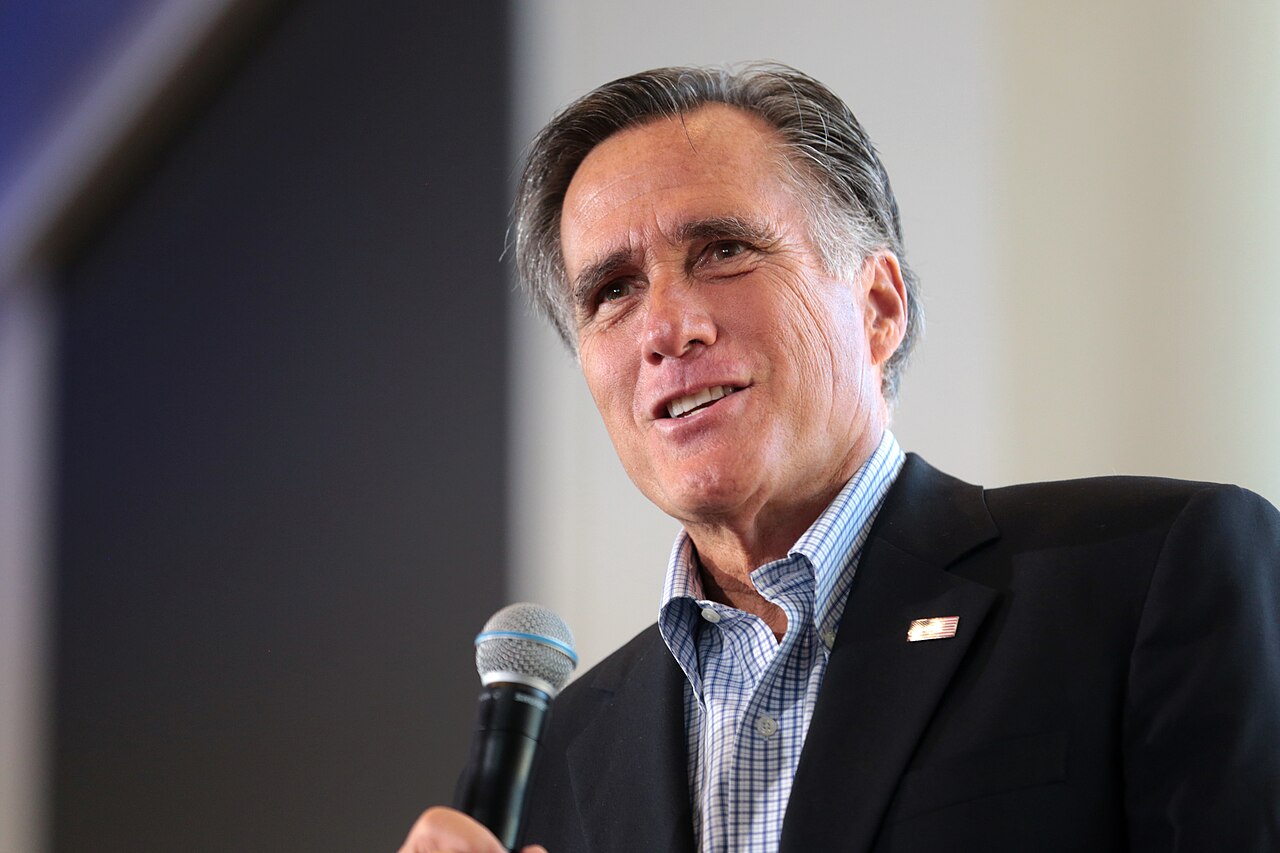
Creative job titles serve a strategic purpose, according to Andrew Markou, co-owner and CEO of BusinessesForSale.com, a global online marketplace connecting business buyers and sellers across 130-plus countries.
“The job market has fundamentally changed,” explains Markou. “Companies that stick with traditional titles when they’re really looking for someone to prevent workplace burnout or coordinate asynchronous teamwork are missing opportunities. Creative titles that accurately reflect modern roles help businesses stand out and attract candidates who understand today’s workplace challenges.”
Below, Markou shares five unusual job titles gaining traction in 2026 and explains why they’re proving effective from both recruitment and business culture perspectives.
1. Reality QA engineer
With artificial intelligence-generated content flooding businesses, someone needs to distinguish between human and machine output. Reality QA engineers verify whether content, images, code, or data came from a person or an algorithm.
“Companies using AI for customer service, marketing, or product development need verification that outputs meet quality standards and align with brand voice,” says Markou. “A traditional ‘quality assurance analyst’ title doesn’t capture the specific challenge of identifying AI fingerprints in content.”
The title attracts candidates who understand both AI capabilities and quality control processes.
2. Hallucination auditor
AI systems occasionally produce confident responses that are completely fabricated—industry jargon calls these “hallucinations.” Hallucination auditors check AI outputs for factual accuracy, testing systems to identify when they’re inventing information.
“These professionals understand how AI systems fail, what triggers false outputs, and how to systematically test for reliability,” Markou explains. “The title immediately communicates the unique challenge: catching an algorithm that’s making things up.”
Financial services, healthcare, and legal firms have adopted this role as they implement AI while managing significant accuracy risks.
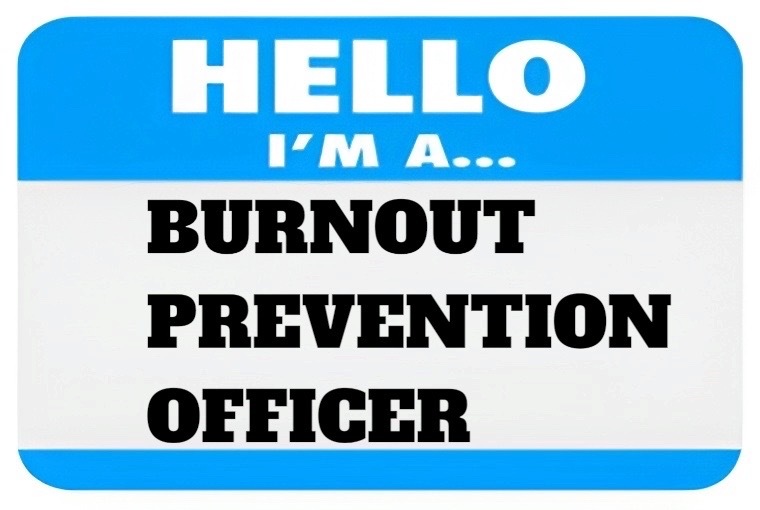
3. Burnout prevention officer
Mental health has moved from HR checkbox to business priority. Burnout prevention officers design workplace strategies to address exhaustion before it becomes a retention crisis.
“Seventy-seven percent of employees experienced burnout in 2024,” notes Markou. “Companies recognized that waiting until people quit was costing them significantly more than prevention.”
The title elevates prevention work beyond traditional wellness coordinator roles, signaling organizational commitment to addressing burnout as a systemic issue rather than an individual problem.
4. Well-being experience designer
This role combines employee wellness with experience design principles, creating holistic programs that address physical, mental, and financial health across different life stages.
“Traditional wellness programs offered gym discounts and annual health fairs,” Markou explains. “Well-being experience designers map the entire employee journey and design interventions for specific moments: supporting new parents, helping mid-career employees manage eldercare costs, or addressing pre-retirement anxiety.”
The creative title attracts candidates from diverse backgrounds including UX design, organizational psychology, and healthcare.
5. Async collaboration coordinator
As teams span global time zones, coordinating work without requiring everyone online simultaneously has become essential. Async collaboration coordinators design workflows, communication patterns, and meeting structures that maximize productivity across distributed teams.
“When your team stretches from Sydney to San Francisco, traditional meeting-heavy collaboration fails,” says Markou. “These coordinators ensure work progresses smoothly whether team members overlap for two hours or never work at the same time.”
The title immediately signals understanding of asynchronous work principles, attracting candidates experienced in distributed team dynamics.
Tips for implementing unusual job titles
For companies considering creative job titles, Markou offers this guidance:
- Match the title to the actual work: The most effective unusual titles maintain a clear connection to the job function. “A ‘hallucination auditor’ still clearly works with AI accuracy, while a ‘workplace wizard’ could mean almost anything,” Markou explains. “The best titles help people understand the role immediately.” Test titles with people outside your organization to ensure clarity.
- Consider your industry standards: What works for a tech startup might damage credibility in traditional sectors. “A financial advisory firm might use ‘client experience specialist’ rather than ‘happiness engineer,’” says Markou. “Professional services, healthcare, and legal industries typically need titles that maintain authority while still being descriptive.” Research competitors to gauge appropriate creativity levels.
- Get employee buy-in: The people using these titles professionally need to support them. “Some employees prefer traditional titles for career progression,” Markou notes. “Consider offering both options: a creative internal title and a more conventional external one if needed.” Test new titles with small teams before rolling them out organization-wide.
- Ensure titles reflect real value: Creative titles work when they genuinely elevate important roles, but backfire when they disguise poor compensation. “Calling someone a ‘growth hacker’ instead of paying them properly as a marketing manager damages trust,” Markou explains. “Unusual titles should complement fair compensation and clear career paths.”
Unusual job titles have become strategic tools for attracting the right talent in today’s competitive market. When done well, they immediately signal to candidates that you understand modern workplace challenges, whether that’s managing AI systems, preventing burnout, or coordinating global teams across time zones, Markou says.
“The most effective titles strike a balance between creativity and clarity. They should intrigue potential applicants while making the role’s purpose obvious. A ‘reality QA engineer’ tells candidates exactly what they’ll be doing while acknowledging the unique challenge of verifying AI outputs,” he adds. “Business owners should approach creative titles thoughtfully. Consider your industry context, get input from the people who’ll use these titles professionally, and make sure unusual titles complement strong compensation and clear career development paths. The goal is attracting candidates who genuinely understand the modern workplace, not just creating buzz.”
Sign in to get access to this free resource, and all of our whitepapers and reports.

Download this content today!
Register Now Already registered? Click here to Log In
Tags: employees, employers, job titles, Payroll, unusual job titles, workers