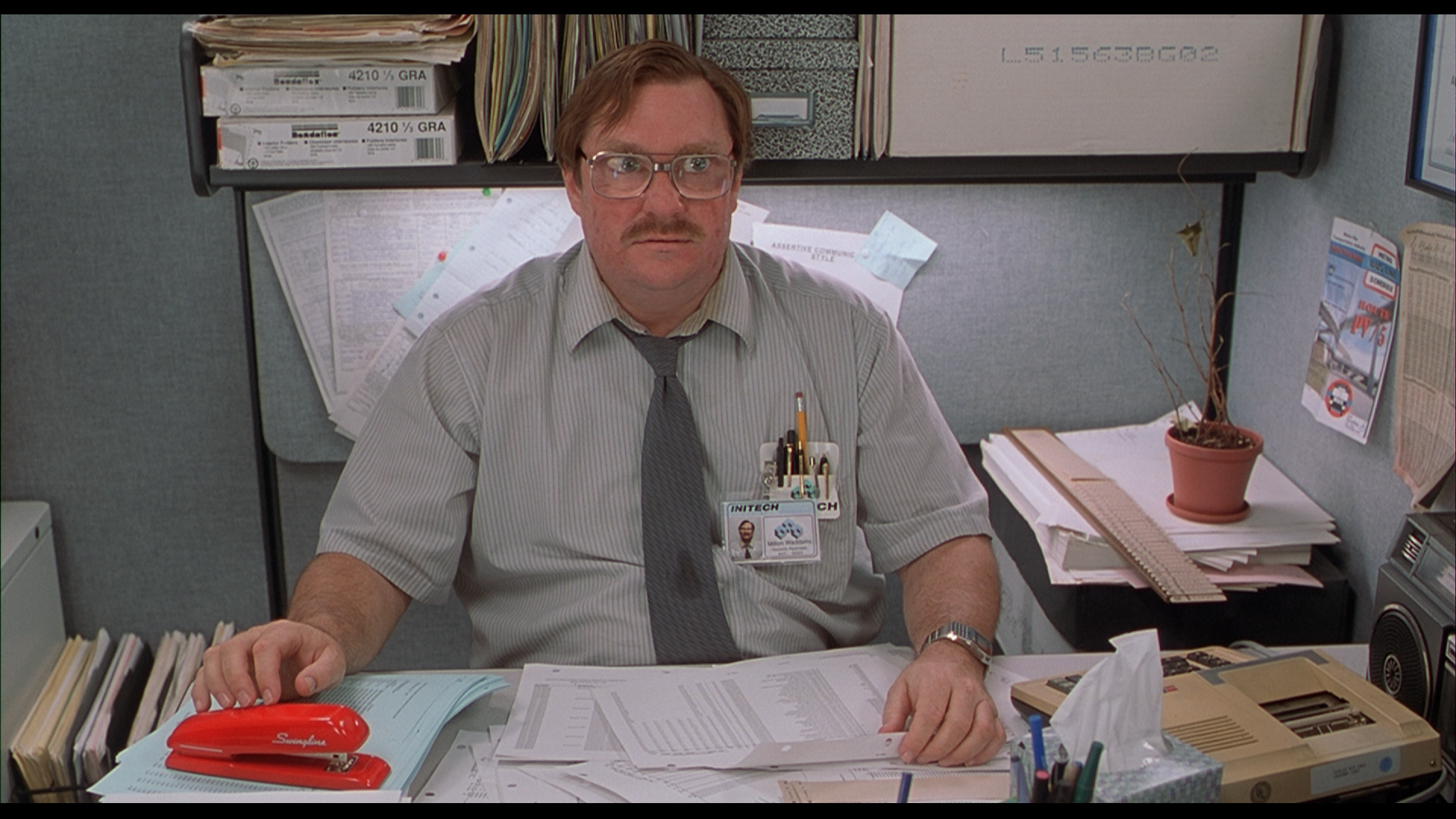




More than three-fourths of American workers (78%) say they have intentionally done only the minimum required to keep their job, according to the latest Act Your Wage Report. The survey from the MyPerfectResume research center, a resume-building service, examines how pay, workload, and perceptions of unfair rewards shape the effort employees are willing to give at work. #actyourwage
The national survey of 1,000 U.S. workers found that 69% have intentionally limited their effort specifically because they felt their pay did not match the expectations or responsibilities of their role. Meanwhile, 92% say employees are not consistently rewarded fairly for going above and beyond, and 86% have been asked to take on responsibilities outside their job description without additional compensation.
Key Findings
- Minimum-effort behavior is widespread. 78% have intentionally done only the minimum required to keep their job, including 49% who have done so frequently or occasionally.
- Pay mismatches are affecting effort. 69% have limited their effort because their pay did not match their job’s expectations or responsibilities.
- Extra effort is rarely seen as consistently rewarding. 92% say employees are not consistently rewarded fairly for going above and beyond, while 52% say they are rarely or almost never rewarded.
- Working outside formal job duties is common. 86% have been asked to take on responsibilities outside their job description without additional compensation.
- Additional responsibilities consume significant time. 44% spend at least two hours per week working outside their formal roles.
- Feeling underpaid or overworked changes behavior. 83% have changed at least one workplace behavior or considered leaving their job for these reasons.
“Doing more work without more pay doesn’t always mean you’re getting ahead,” said Dr. Jasmine Escalera, Career Expert at MyPerfectResume. “Workers should be thoughtful about where they invest their time and energy. Setting boundaries matters, but so do staying engaged, building valuable skills, and looking for opportunities to grow. The goal shouldn’t be to do the bare minimum, but to make sure the effort you’re putting in is helping you move forward in your career.”
Most Workers Have Taken a Minimum-Effort Approach
More than three-quarters of workers (78%) say they have intentionally done only the minimum required to keep their job at least once.
- 13% frequently
- 36% occasionally
- 29% rarely
- 22% never
Nearly half (49%) say they have taken this approach frequently or occasionally.
Workers are almost evenly divided over what it means to match effort to pay. Fifty-three percent view it as a response to workplace pressures:
- 21% see it as a response to wage stagnation.
- 18% see it as a healthy workplace boundary.
- 14% see it as protection from burnout.
The remaining 47% take a more negative view:
- 21% see it as doing the bare minimum.
- 19% see it as employee disengagement.
- 7% see it as reduced workplace loyalty.
- 21% see it as a response to wage stagnation
- 18% see it as a healthy workplace boundary
- 14% see it as burnout protection
- 21% see it as doing the bare minimum
- 19% see it as employee disengagement
- 7% see it as reduced workplace loyalty
Pay Mismatches Are Causing Workers to Pull Back
Forty-three percent have pulled back frequently or occasionally, while fewer than one-third have never reduced their effort because of a perceived pay mismatch.
- 12% frequently
- 31% occasionally
- 26% rarely
- 31% never
Only 9% Say Extra Effort Is Consistently Rewarded
Just 9% believe employees are consistently rewarded fairly for going above and beyond, while 52% say extra effort is rarely or almost never rewarded fairly.
- 9% consistently
- 39% sometimes
- 32% rarely
- 20% almost never
Workers identify feeling underpaid and burnout as the top reasons employees stop going above and beyond, at 22% each.
- 22% say feeling underpaid
- 22% say burnout
- 19% say lack of recognition
- 17% say seeing hard work go unrewarded
- 11% say poor leadership
- 6% say lack of advancement
- 3% say layoff anxiety
Combined, 58% point to feeling underpaid, lacking recognition, or seeing hard work go unrewarded.
86% Have Been Asked to Work Outside Their Role Without Extra Pay
86% of workers have been asked to take on responsibilities outside their job descriptions without additional compensation.
- 25% frequently
- 40% occasionally
- 21% rarely
- 14% never
Altogether, 74% say employees commonly take on responsibilities beyond their official roles without additional compensation.
- 31% say it is extremely common
- 43% say it is somewhat common
- 18% say it is not very common
- 8% say it rarely happens
44% Spend at Least Two Hours a Week Outside Their Formal Role
Nearly three-quarters of workers (73%) spend at least some time each week doing work outside their formal job responsibilities, while 44% spend at least two hours.
- 27% spend no time
- 29% spend less than 2 hours
- 28% spend 2–5 hours
- 10% spend 6–10 hours
- 6% spend more than 10 hours
16% spend 6 or more hours per week on work beyond their formal responsibilities.
Underpaid and Overworked Employees Are Changing Their Behavior
Eighty-three percent of workers have taken at least one of the listed actions or considered leaving their job because they felt underpaid or overworked.
- 31% became less emotionally invested in their job
- 30% stopped volunteering for extra work
- 28% considered quitting
- 28% avoided unpaid overtime
- 25% focused only on tasks tied to their job description
- 24% declined responsibilities outside their role
- 24% started looking for another job
- 14% stopped responding to work messages outside work hours
- 14% pulled back from workplace culture or team activities
Only 17% did none of the above. To view the full report and obtain more information, please visit https://www.myperfectresume.com/career-center/careers/basics/act-your-wage.
Sign in to get access to this free resource, and all of our whitepapers and reports.

Download this content today!
Register Now Already registered? Click here to Log In