



By Hannah Wyman
St. Louis Post-Dispatch
(TNS)
Billions of dollars in tariff refunds are on their their way back to importers after the U.S. Supreme Court ruled President Trump’s “Liberation Day” tariffs illegal earlier this year.
Major companies—like Costco, Home Depot, FedEx and General Motors—say they expect to get back the money they had to spend on tariffs during the past year.
But with a complicated application process, rules that favor direct importers and large businesses, some small business owners around St. Louis say they aren’t holding their breath for repayment.
“I think the opportunity cost for small businesses like ours to take the time to apply for them through attorneys and consultants … doesn’t make sense at the current moment,” said Shayn Prapaisilp, whose family owns Global Foods Market in Kirkwood, United Provisions in the Delmar Loop and a number of Asian restaurants.
He estimated the family businesses paid about a 30% increase from tariff-related costs on products from Asia, Europe and Latin America last year.
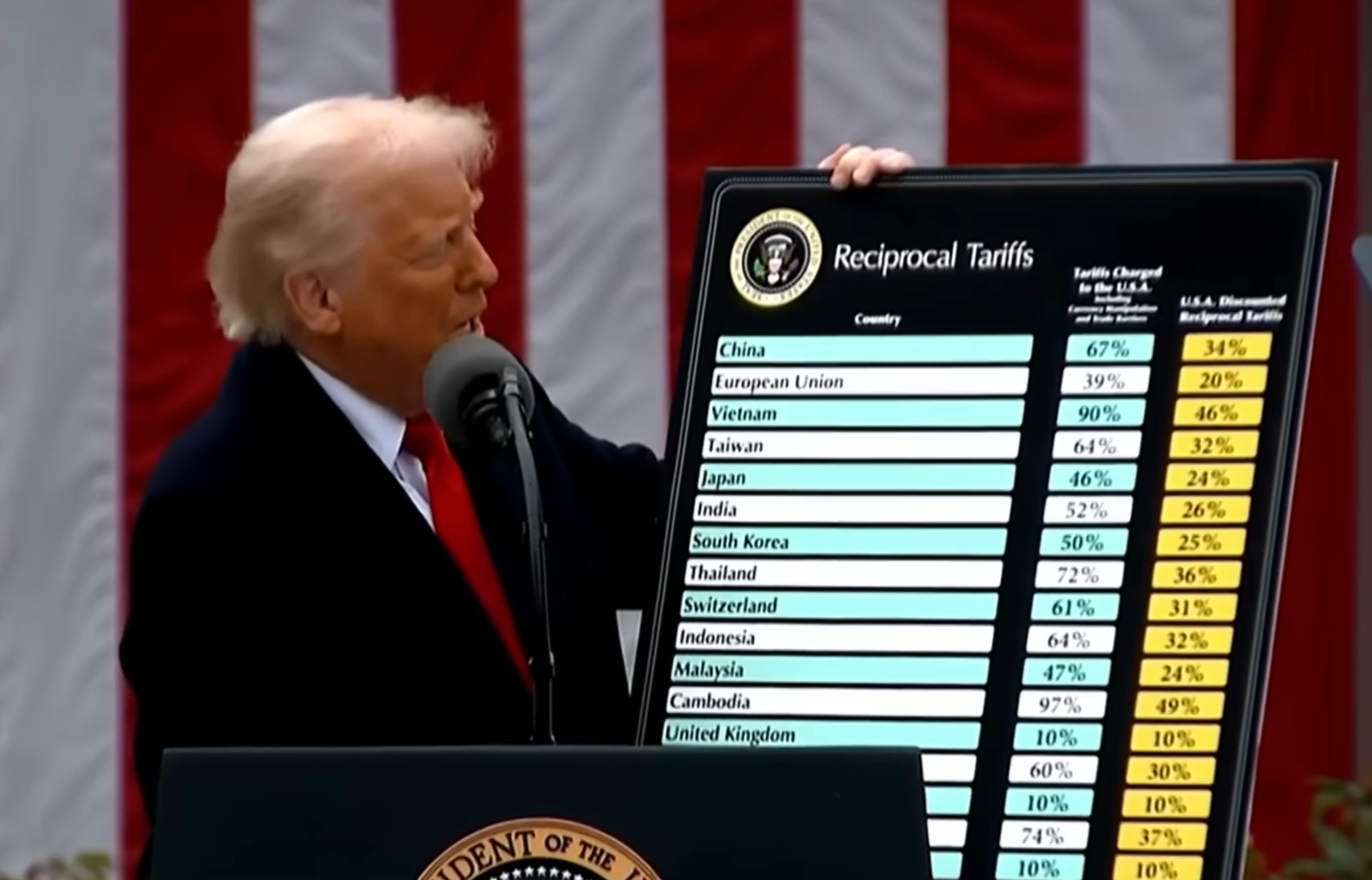
President Donald Trump imposed tariffs on about 90 foreign countries in 2025 in an effort to reshape the United States’ trade status. At one point, tariffs on goods from China grew to 145%. U.S. businesses and consumers felt the effect as costs were passed down the supply chain.
The average American family paid about $1,745 in tariff-related costs in 2025, according to data from the Congress’s Joint Economic Committee.
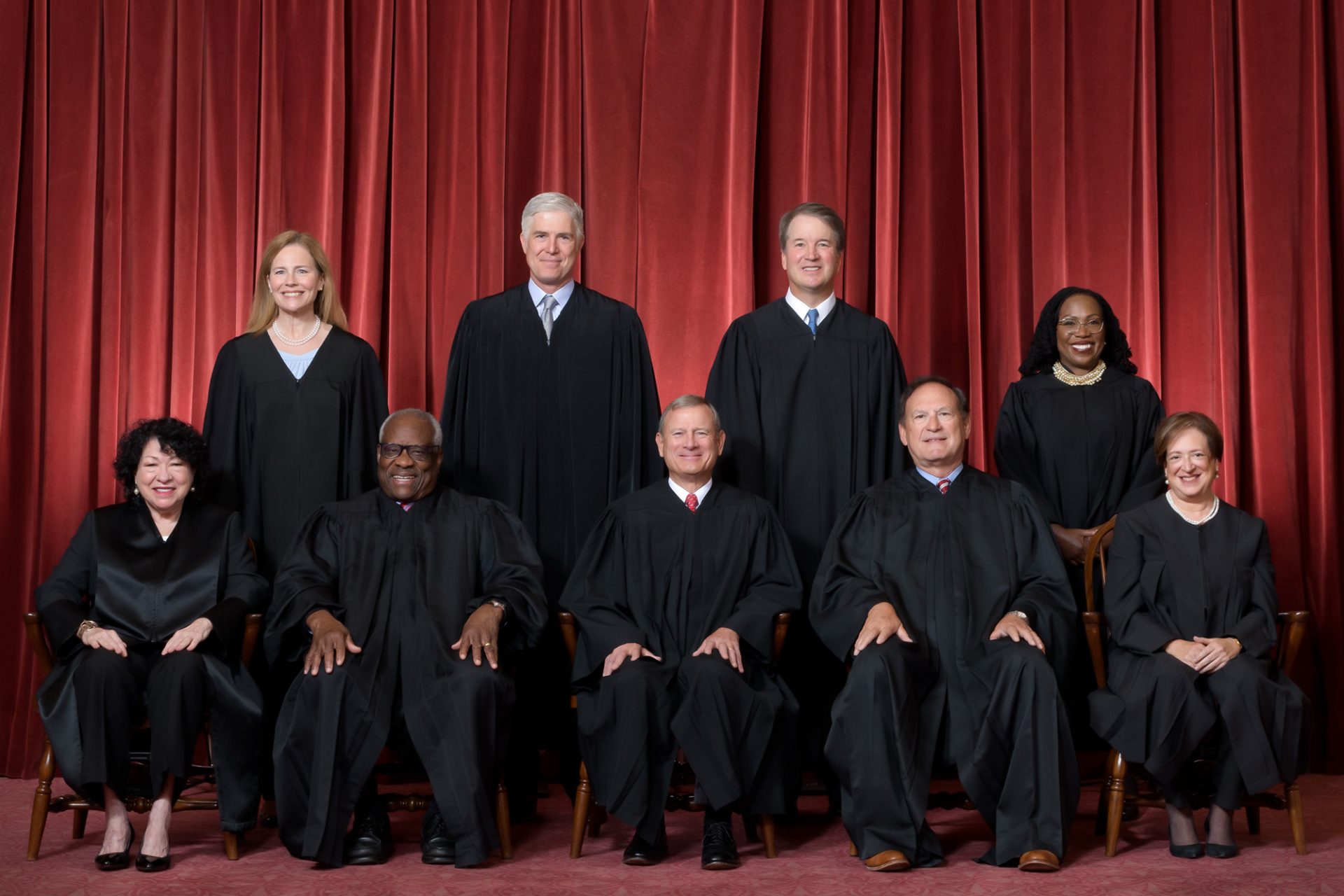
In February, the U.S. Supreme Court ruled that Trump’s “Liberation Day” tariffs were unlawful and that the president does not have the power to set tariffs under the International Emergency Economic Powers Act. In total, the Trump Administration collected about $166 billion in emergency reciprocal tariffs, CBP has reported.
A government-operated refund portal where importers can submit refund claims to U.S. Customs and Border Protection online opened in late April. So far, the government has paid back $81 billion in tariff refunds, according to data from the U.S. Treasury Department released this month.
Recommended Articles
Taxes February 20, 2026
Supreme Court Strikes Down Trump Tariffs
Prapaisilp, chief operating officer of Global Foods Group, said he’s not expecting to get tariff-related money back because his businesses are downstream from distributors.
Only the “importer of record” is eligible to be refunded by the government because they paid the tariffs directly, even if they passed on the costs to their customers.
Most small businesses that buy their inventory from suppliers or distributors won’t receive any reimbursement money unless it’s stipulated in their individual contracts, because they don’t have a right to the money, said Nithya Nagarajan, an attorney at Husch Blackwell in Washington, D.C., who has spent over 30 years practicing in trade, customs and tariffs.
“This is not a situation where passivity will guarantee refunds,” Nagarajan said. “You really do have to take ownership and responsibility for your exposure and where your money is caught up.”
It’s unlikely consumers will get money back, either.
Last month, in a motion to dismiss a class action lawsuit about tariffs, game maker Nintendo said consumers who paid higher prices for the brand’s video game products last year are not entitled to rebates because a company raises, then lowers, a sales price because their costs have changed.
Recommended Articles
‘We’re still surviving’
At Beauty Supply Refresh in Florissant, prices increased between 15% to 35% under the emergency tariffs, said owner Trinita Rhodes. She is not expecting any refunds, but said she is frustrated by the lack of communication on the matter from suppliers and importers.
“Who are we supposed to talk to?” Rhodes said. “I think they’re going to depend and rely on people, especially at our small business level, just to give up and not focus on this because honestly, that’s what we’ve done. … I don’t have the time to sit and check in on this every day.”
It’s possible that distributors will discount some items for buyers, Rhodes said, not because they are trying to pass refunds down, but because they are trying to get rid of inventory they bought too much of in a tariff-induced panic.
“That’s all still part of this big game that’s being played, it’s not like a genuine ‘Oh, I want to help,’” Rhodes said. “We are looking at it as just another small hurdle. You already have business pain points, challenges and we’re still navigating. We’re still surviving.”
Brian Pelletier, owner and chief chocolatier of Maplewood-based Kakao Chocolate, said it’s unlikely he’ll see any rebates from the federal government because he’s “way down the food chain on tariffs.”
He buys boxes and ribbon from distributors who buy from suppliers, who buy from importers. Pelletier said he hasn’t heard about getting refunds from suppliers, especially as chocolate costs stay high. Plus, he doesn’t have the time or resources to focus on getting paid back, Pelletier said.
“I didn’t apply for anything because I just assumed that it’s not accessible to businesses my size,” Pelletier said. “Small businesses are just another casualty in this stupid stuff that’s going on. … We’re second-class businesses. We’re left behind.”
Some local companies are having success with refunds. Clayton-based shoemaker Caleres has already begun to receive refunds, the company’s chief financial officer Dan Karpel told investors during a June earnings call. Karpel said the company is eligible to receive about $57.8 million, plus interest, in tariff payback.
Energizer Holdings, headquartered in Clayton, is entitled to $67.1 million in tariff refunds, according to Securities and Exchange Commission filings.
“We’ve kind of had the position of the ‘right to recover’ is not in question, but the process and the timing is a little open,” Energizer President and CEO Mark LaVigne said on a May earnings call. “We’re going to continue to work that process and see if we can receive the funds as soon as possible.”
New tariffs and predictability
But the added levies haven’t let up, though they have changed some. After the emergency tariffs were ruled illegal, Trump placed new 10% global tariffs under Section 122 of the Trade Act of 1974. Those expired in late July.
The Trump administration replaced them with new tariffs ranging from 10% to 12.5% on goods from 60 countries the White House said have failed to prevent imports made by forced labor.
This came two days after a 25% tariff on Brazilian exports, like farm equipment, clothing and wood products, took effect. Trump also recently announced a 50% tariff on most Canadian goods happening by mid-August. He has also posted on social media that imported generic medicine will be taxed 100% starting next August, before rising to 200% in 2028.
Recommended Articles

Mamoun Benmamoun, an international business professor at St. Louis University, said the U.S. Supreme Court’s ruling on emergency tariffs has brought some stability to small businesses. He said the administration is likely using these levies as a negotiation tactic with trading partners and not as a long-term policy.
Earlier this year, Benmamoun penned a piece that appeared in the Missouri Independent on how small businesses who are not their own importer of record will lose out on refunds, even if the small businesses are the ones who bore the higher costs.
“I don’t think the concern is necessarily the refund, it’s more about the the stability on the tariff system,” Benmamoun said. “I don’t think that companies are upset about the fact that we are using tariffs—they are more upset about the fact that we cannot predict what’s coming next.
“I’m sure all these businesses were not even expecting to get this refund in the first place. The damage was already done for small businesses,” Benmamoun told the Post-Dispatch.
In Belleville, some of The London Tea Merchant’s suppliers have told owner Jackie James she will get some money back—but it’s unclear by when or how much, James said.
James estimated she spent about $2,000 in tariffs. At one point, a 50-pound bag of Assam tea from eastern India cost $98 per pound, up from the usual $70.95 per pound.
She paid tariffs to her suppliers and, in some instances, to the shipping company directly, so it’s a bit of a mess getting everything untangled, James said.
“It is a headache and I realize it could be sometime before we see anything,” James said. “We are fine. We were able to continue business without any negative impact even though we did absorb most of the cost and didn’t raise our prices by much at all.”
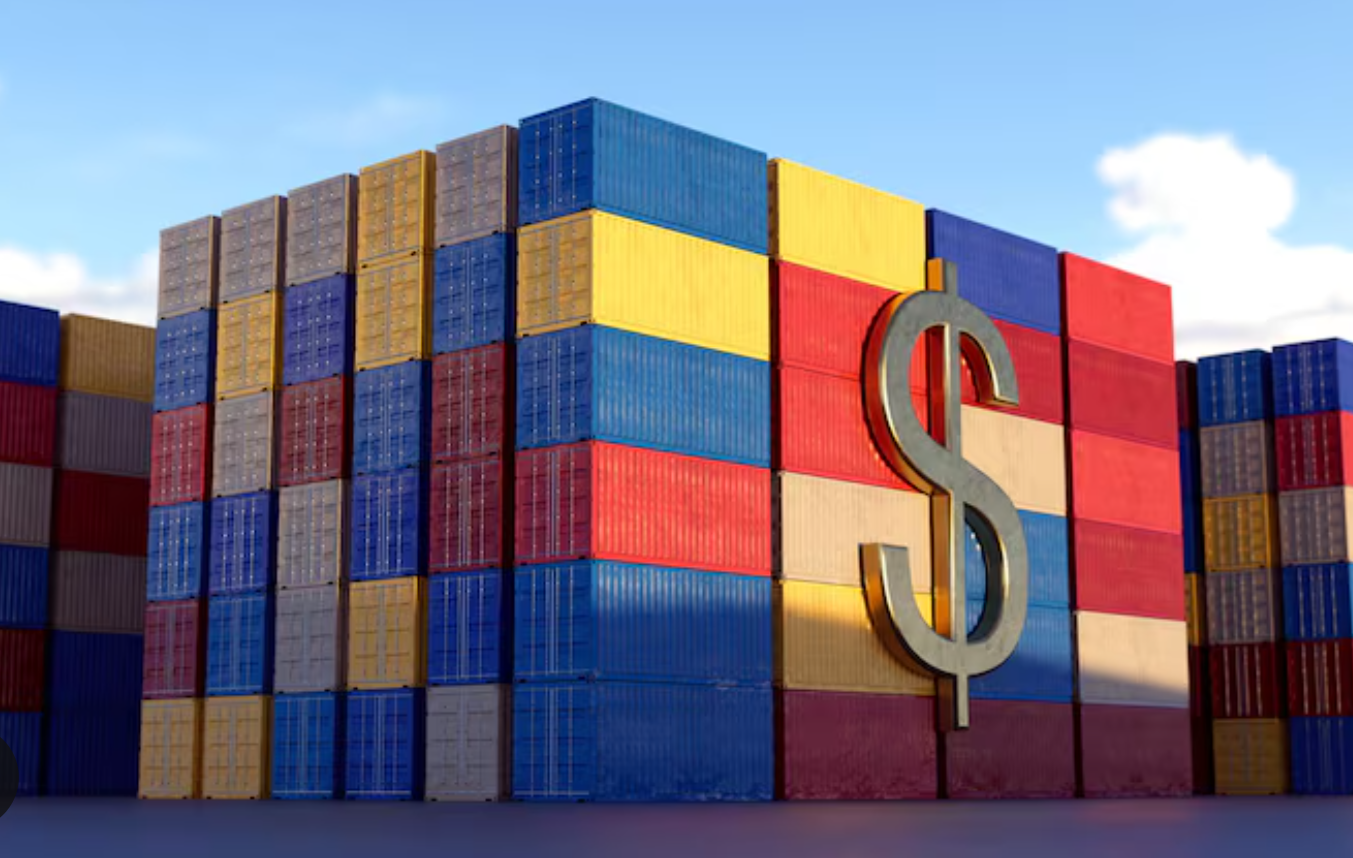
Photo credit: alidrian/Freepik
_______
© 2026 the St. Louis Post-Dispatch. Visit www.stltoday.com. Distributed by Tribune Content Agency LLC.
Sign in to get access to this free resource, and all of our whitepapers and reports.

Download this content today!
Register Now Already registered? Click here to Log In