



By Olivia Hicks
Star Tribune
(TNS)
Hockey fans held their breath as Canada and the U.S. faced off on Olympic ice in February, and the two countries are facing off again after the Trump administration announced an additional 50% tariff on Canadian hockey gear on July 20.
But despite top hockey brands calling Canada home, Minnesota hockey families aren’t likely to shoulder the burden of higher equipment prices.
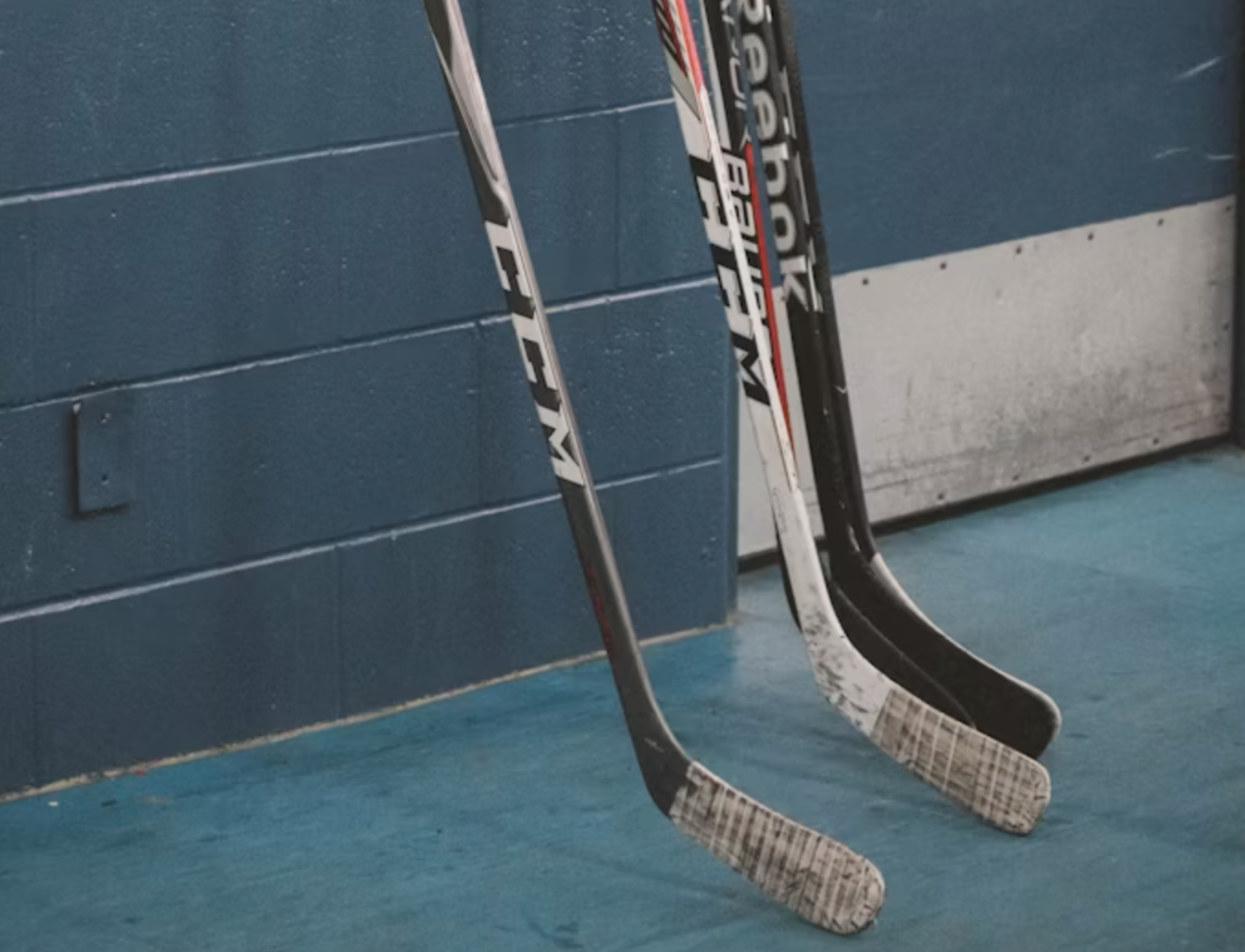
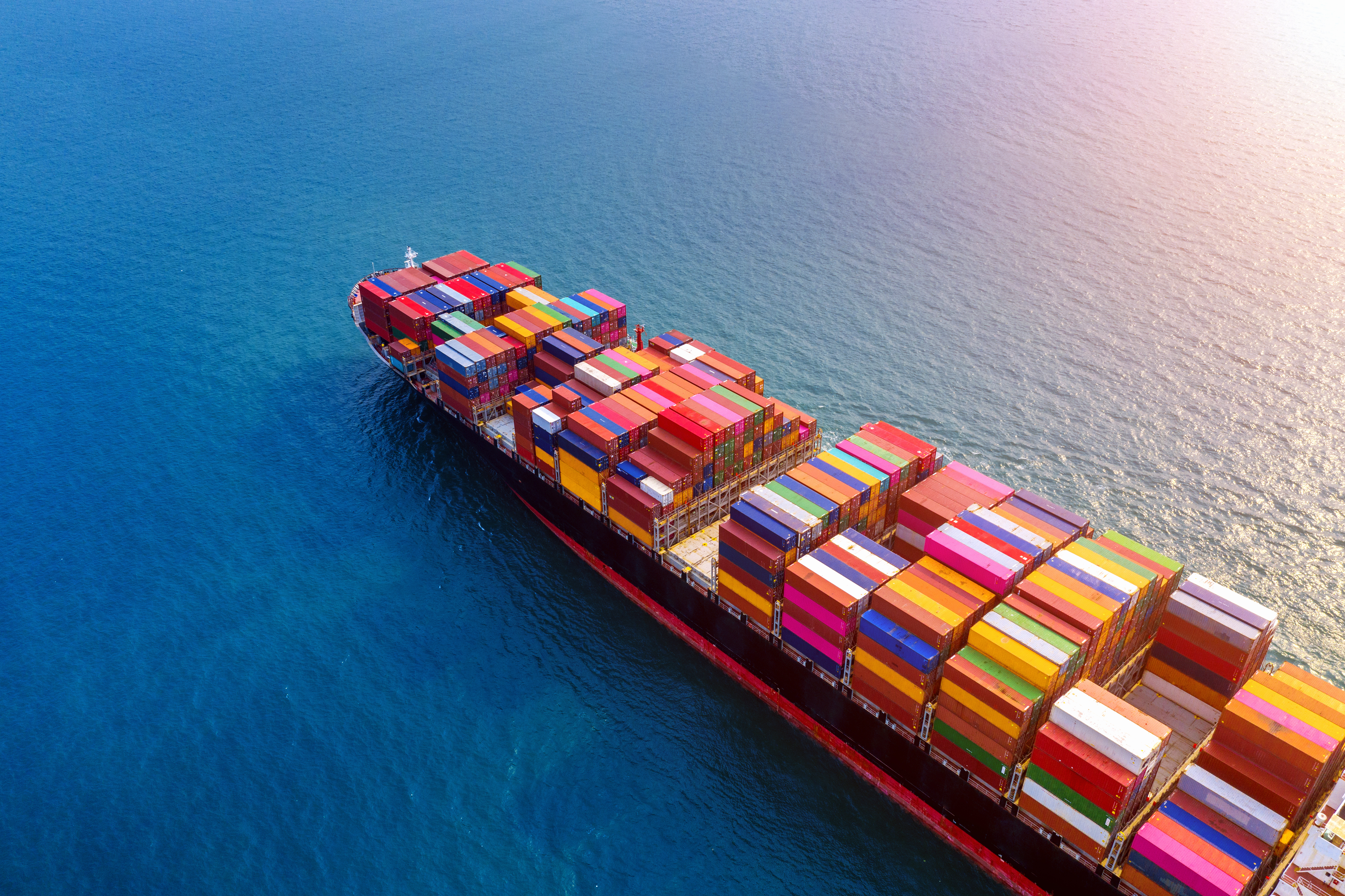
The Minnesota Trade Office believes most hockey sticks and equipment imported to the U.S. will be exempt from the 50% tariff. The two largest hockey gear brands—Bauer and CCM—are Canadian companies, but the U.S.’s northern neighbor no longer manufactures most hockey sticks and equipment in North America. Instead, Asian and Central American countries are responsible for the bulk of assembly, with China, Vietnam and Mexico exporting most hockey sticks.
Hockey is already an expensive sport, with sticks costing up to $400. An additional 50% fee would “put them way out of the ballpark,” said Mark Norman, president of sporting goods store All-Star Sports in New Hope, Minn.
Recommended Articles
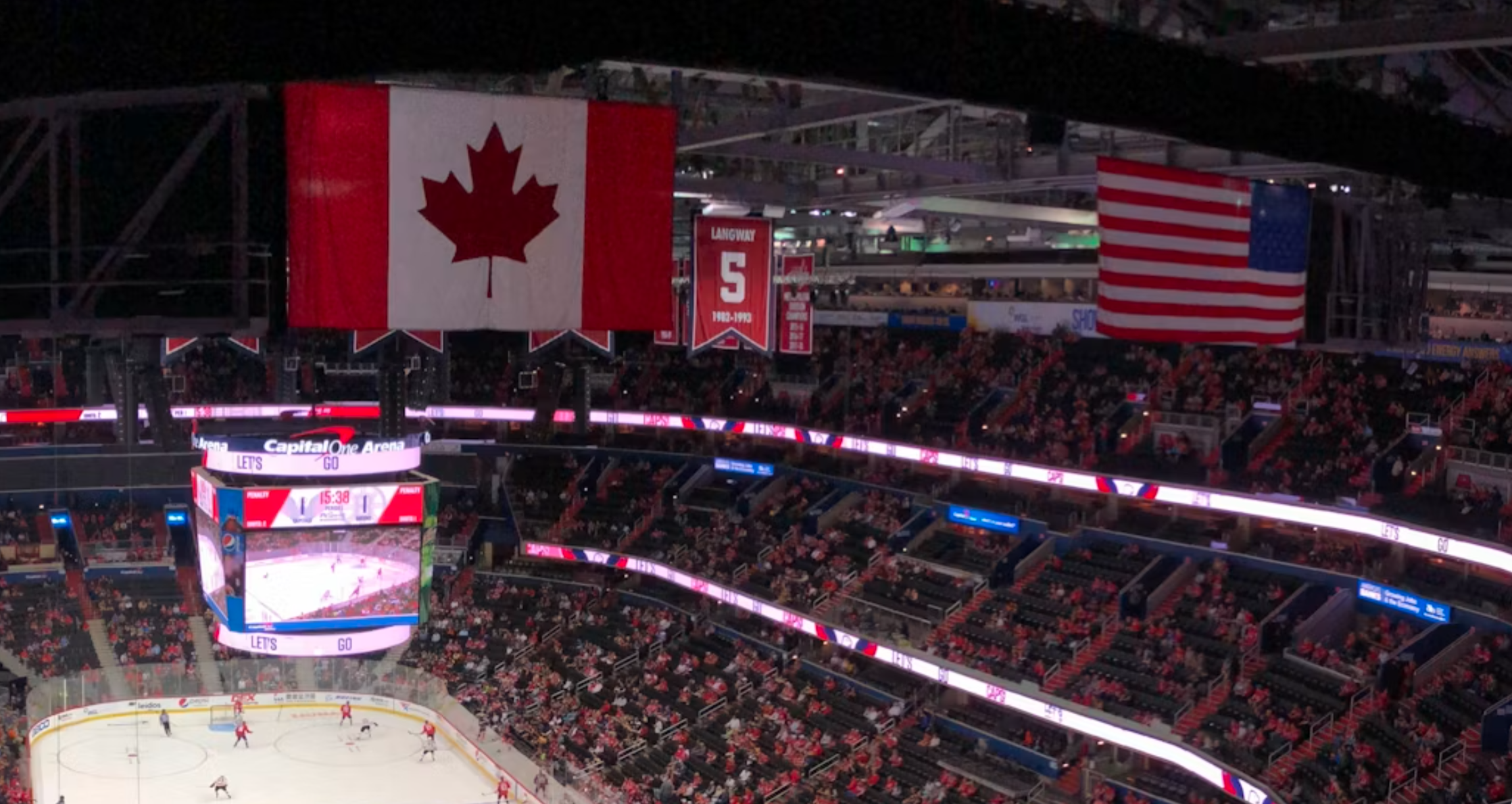
More than 60,000 Minnesotans under age 19 played hockey during the 2025-26 season, making up 10% of all USA Hockey-registered hockey players. If the average player goes through a handful of sticks per season, that adds up for families.
“They’ve got to be affordable to keep these kids playing,” Norman said.
The list of affected Canadian goods included everything from whiskey to paper to hockey sticks, with the tariffs taking effect on Aug. 19. The taxed “ice hockey equipment” excludes skates, according to the White House.
As Minnesota hockey stores scramble to contact equipment distributors, owners are left confused at the policy decision.
“The first question I have is: Is it Canadian companies, regardless of where the stuff is made?” asked Norman.
The answer is no, according to the Minnesota Trade Office. Tariffs are based on the country of origin: where a product is manufactured or undergoes “substantial transformation,” not based on point of shipment or company headquarters.
“Of Canadian-manufactured products, the hockey stick market is non-existent,” said Jeff Hall, a goalie coach who helps run the Edina-based equipment store Stauber’s Goalcrease. “As soon as Trump, in his first term, started a trade war with China, a lot of these factories were quick to up and move their production to other factories in Vietnam. So that’s where most of the sticks come from.”
The Minnesota Trade Office doesn’t know the fine print of the new tariffs just yet but predicts only goods made in Canada will be affected.
“If manufactured in Vietnam, they would likely be subject to Vietnamese import duties rather than the 50% Section 338 tariffs on designated Canadian goods,” a spokesperson for the office told Strib Varsity in an email. The Trump administration announced an additional round of tariffs on more than 80 countries on Thursday. These include a 12.5% surcharge on goods made in Vietnam and China, replacing Vietnam’s previous 10% tariff.
Recommended Articles
That’s good news for hockey families who would have paid higher prices if products were manufactured in Canada. While manufacturers have offered to eat some of the cost increases when tariffs have hit Minnesota sporting goods stores in the past, rising prices are typically passed onto customers.
“Of course we have to pass that on,” Norman said. “The consumer pays more in the end, no matter how you cut it.”
The tariffs could be a symbolic move, said international trade lawyer and University of Minnesota adjunct professor Dave Townsend. After all, what’s more Canadian than hockey? But they were also imposed strategically after Canada declared tariffs on U.S.-produced cars, dairy and alcohol and just as the United States-Mexico-Canada Agreement (USMCA) is up for renewal.
“These provisions are not chosen at random; they are chosen to inflict costs on Canada,” Townsend said. “They’re designed to force Canada to the negotiating table on a variety of trade issues.”
While the list of taxed Canadian goods announced on July 20 only accounts for roughly 5% of trade with Canada, the country did export nearly $33 million worth of sporting equipment to Minnesota between 2021 and 2024, according to the Canadian government’s trade database. But when it comes to hockey sticks, Asian countries have dominated the market over the past five years, with China exporting more than $63 million worth of hockey sticks to the U.S. in 2025 per the International Trade Commission.
The State of Hockey is no stranger to weathering uncertain trade regulations, with Canada acting as its top trading partner for decades.
When the Trump administration announced a sweeping round of tariffs on Canadian goods in 2025, both rinks and equipment stores felt the impact. Ice rinks in Mankato and Willmar saw extra fees on renovations rise as high as $13,000, and stores like All-Star Sports saw their supplies limited to hockey distribution centers within the U.S.
“If Canada had what we wanted, but the U.S. distribution didn’t have it, they wouldn’t let us order it,” Norman said.
Bauer and CCM have previously avoided U.S.-imposed Canadian tariffs with their overseas manufacturing sites and U.S. distribution centers. Fairfax Financial Holdings, a Canadian holding company that acquired Bauer’s owner Peak Achievement Athletics in 2024, found that there were “no significant impacts” from tariffs imposed by the U.S. in its 2025 financial report.
This time around, it’s specialty hockey stores and the last-standing Canadian hockey equipment manufacturers who will likely bear the brunt of the tariffs.
Smaller brands like Roustan Hockey, one of the last Canadian stick manufacturers that sells 100,000 hockey sticks to the U.S. each year, and True Hockey, which supplies Stauber’s Goalcrease with custom goalie gear, could be disproportionately impacted.
“That might be an issue,” Hall said. “[True Hockey] has a factory in Montreal that’s been there forever and they’re already way behind on production.”
For now, Minnesotan hockey families shouldn’t see a hike in costs.
Photo credit: Julian Gentile/Unsplash
_______
©2026 The Minnesota Star Tribune. Visit startribune.com. Distributed by Tribune Content Agency LLC.
Sign in to get access to this free resource, and all of our whitepapers and reports.

Download this content today!
Register Now Already registered? Click here to Log In