

Up to one in three U.S. college students may show neurodivergent traits. Yet many could be screened out of jobs not because of what they say, but because of how they look or sound while saying it.
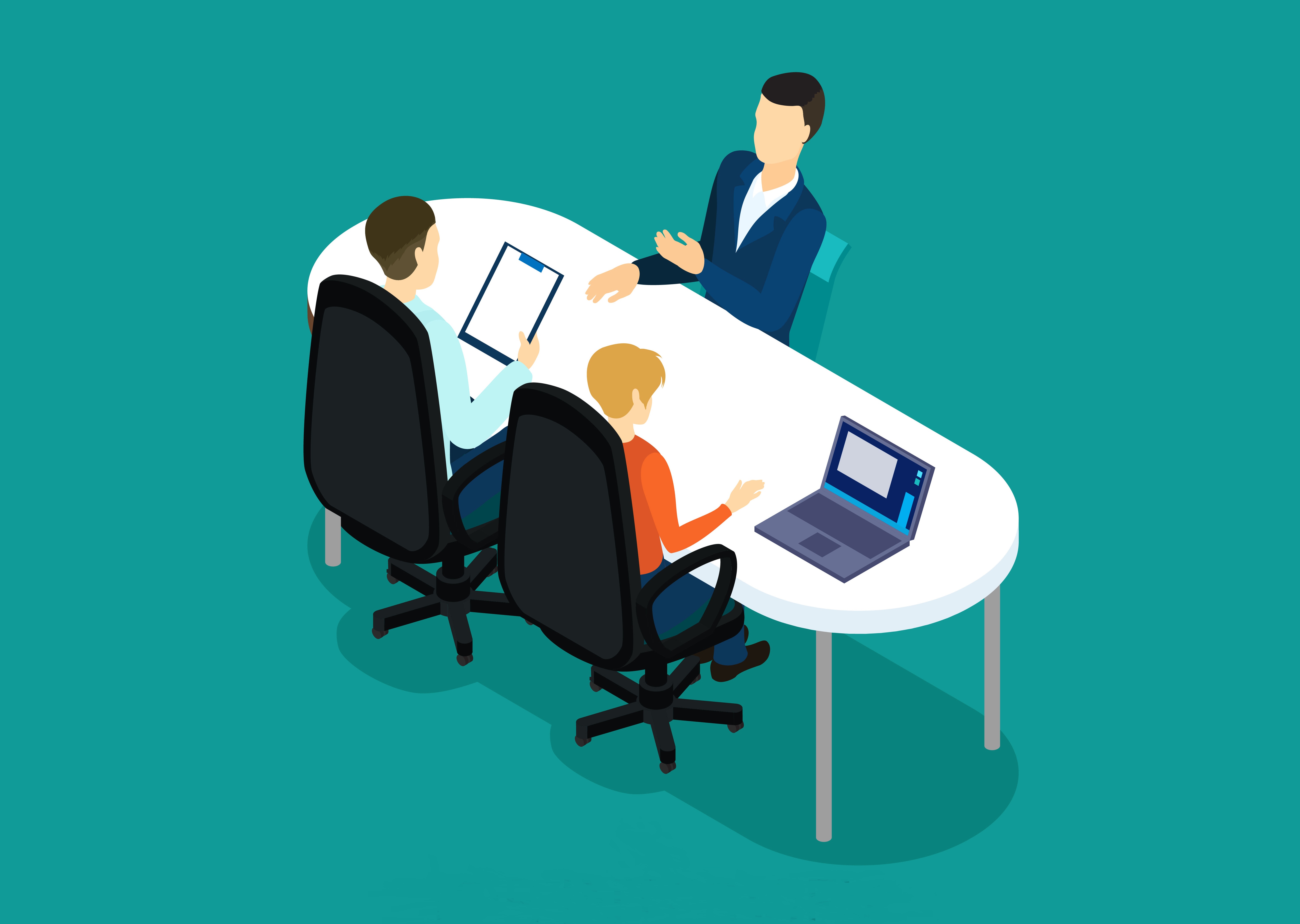
Research suggests the live interview, not the résumé, is where the system breaks down. Eye contact, small talk, body language, and quick social responses can influence hiring decisions, even though these behaviors may say little about a candidate’s ability to do the job.
However, using artificial intelligence tools to simulate real interview scenarios offers a practical way to navigate these hidden biases.
ResumeCoach, an AI‑powered resume and career optimization platform, consulted two career experts who shared their top advice on how neurodivergent candidates can prepare for an interview by using practice and tools to their advantage.
What the academic research shows
The data illustrates the problem:
- According to Rowan University research, 92% of neurodivergent respondents named anxiety or nervousness as their biggest interview barrier, while 50% cited a lack of confidence.
- Neurodivergent talent is far from niche. An estimated 10% to 30% of U.S. college students show neurodivergent traits, according to the same Rowan University research.
- Cornell and Vanderbilt University researchers identify interviews as one of the biggest barriers for autistic job seekers. They recommend making the process more predictable by sharing questions in advance and using specific prompts.
- A University of Vermont research summary found that autistic candidates were rated less favorably on video but preferred when evaluators read transcripts of the same responses. Their answers did not change. Only the way they were presented did.
If the interview format is part of the problem, greater predictability and preparation could be part of the solution. AI interview tools can offer candidates a low-pressure environment to rehearse answers and become more comfortable with likely questions.
What the career experts advise
To explore how candidates can use these tools without feeling pressured to mask, ResumeCoach spoke with Dahlia Ashford, a certified employment and interview professional at Ashford Career Consulting, and Chelsea Jay, a career and interview coach at Seasoned and Growing.
Q: Standard interviews reward “polished” small talk over substance. If a candidate can’t change that format, what’s your advice for working around it without masking who they are?
Dahlia Ashford: Start by building a small repertoire of comfortable small talk topics that feel natural to you, such as the weather, pets, or a recent local event. Stay away from politics. These light topics keep conversation flowing without requiring you to perform outside your comfort zone.
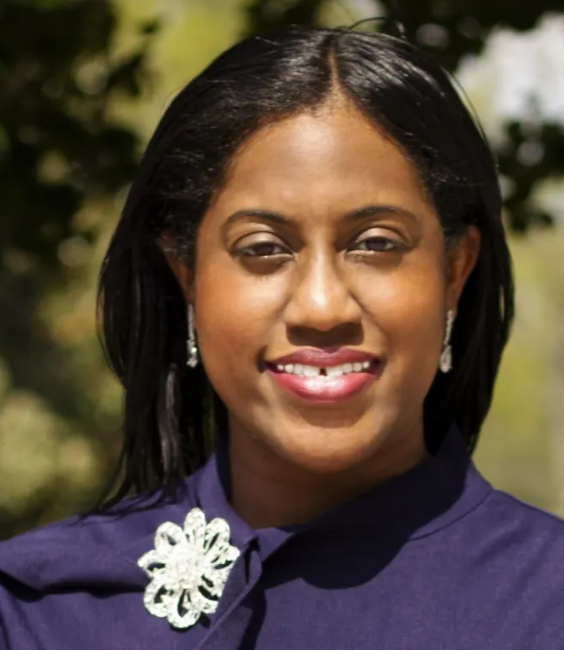
Preparation is your greatest advantage. Request the interview schedule and a list of interviewers in advance so you can research and mentally rehearse each interaction. Mock interviews with a trusted friend or career coach can help you build genuine confidence, not just polish.
For eye contact, aim for natural, brief moments of connection rather than a sustained gaze. Think of it as punctuating your words, not holding a stare.
Q: Studies show that predictability really levels the playing field for neurodivergent candidates. What’s worth rehearsing with an AI tool before the real thing?
Ashford: Rehearsing with an AI tool transforms unpredictability into confidence. Start with the questions that appear in virtually every interview: “Tell me about yourself,” “Why are you interested in this role or company?” and prompts asking you to share examples of positive accomplishments, navigate conflict, and share your strengths and areas for growth, as well as collaboration within a team.
As you practice, time your responses to build concise, focused answers, and rehearse maintaining natural eye contact with the camera. This small habit projects confidence on video calls.
Finally, use AI practice sessions to sharpen your awareness of interview questions that are legally off-limits, such as those about age, disability, religion, or family status, so you feel prepared and empowered to redirect the conversation if they arise.
Q: Research shows candidates come across better on paper than on video: same answers, different verdict. How can AI practice help someone’s delivery catch up to their substance?
Chelsea Jay: First, I think this has to be said: AI shouldn’t be used to teach neurodivergent professionals how to mask or become a version of themselves they think an interviewer will like more. The goal is to land a role at a company that will accept, embrace, and uplift their differences.
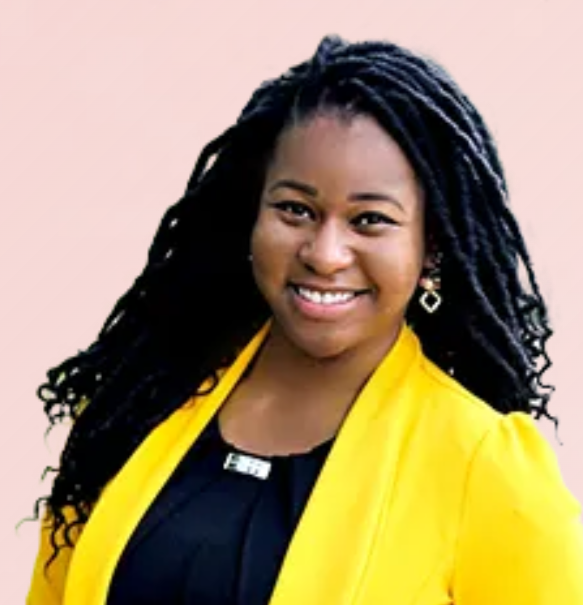
AI can be a tool to help candidates become more comfortable communicating what they bring to the table. Think about how different you sound answering a question you’ve never considered versus one you’ve practiced five times. AI can give you a low-pressure space to practice organizing your thoughts, talking about your skills and accomplishments, and answering unexpected follow-up questions.
The goal is not changing how someone naturally communicates. It’s to reduce some of the uncertainty that comes with interviewing so the nerves and pressure in the moment don’t overshadow everything they have to offer.
Q: What’s one thing a neurodivergent job seeker could do this week with an AI mock interview to walk in more confident?
Jay: I strongly recommend not trying to prepare for every possible interview question. That is a quick way to burn out and become overwhelmed.
Try giving AI the job description and ask it to give you five to seven questions you will likely hear and begin practice answering those questions. You don’t need to memorize or create a script, but this will help neurodivergent professionals become more comfortable with telling their stories.
From there, ask AI to evaluate your answers. Questions like, “Did I answer the question completely? Was my example clear? Did I explain my contribution and impact? Did I leave anything out?” will help provide clarity and insight into your interview habits. This will allow you to practice storytelling and talking about yourself.”
Both experts emphasize that AI should reduce uncertainty, not teach candidates to mask. Used as a rehearsal tool, it can help neurodivergent job seekers prepare for the precise stage of recruitment where research shows their skills are most likely to be overlooked.
Photo credit: macrovector/Freepik
Sign in to get access to this free resource, and all of our whitepapers and reports.

Download this content today!
Register Now Already registered? Click here to Log In