



By Augusta Saraiva
Bloomberg News
(TNS)
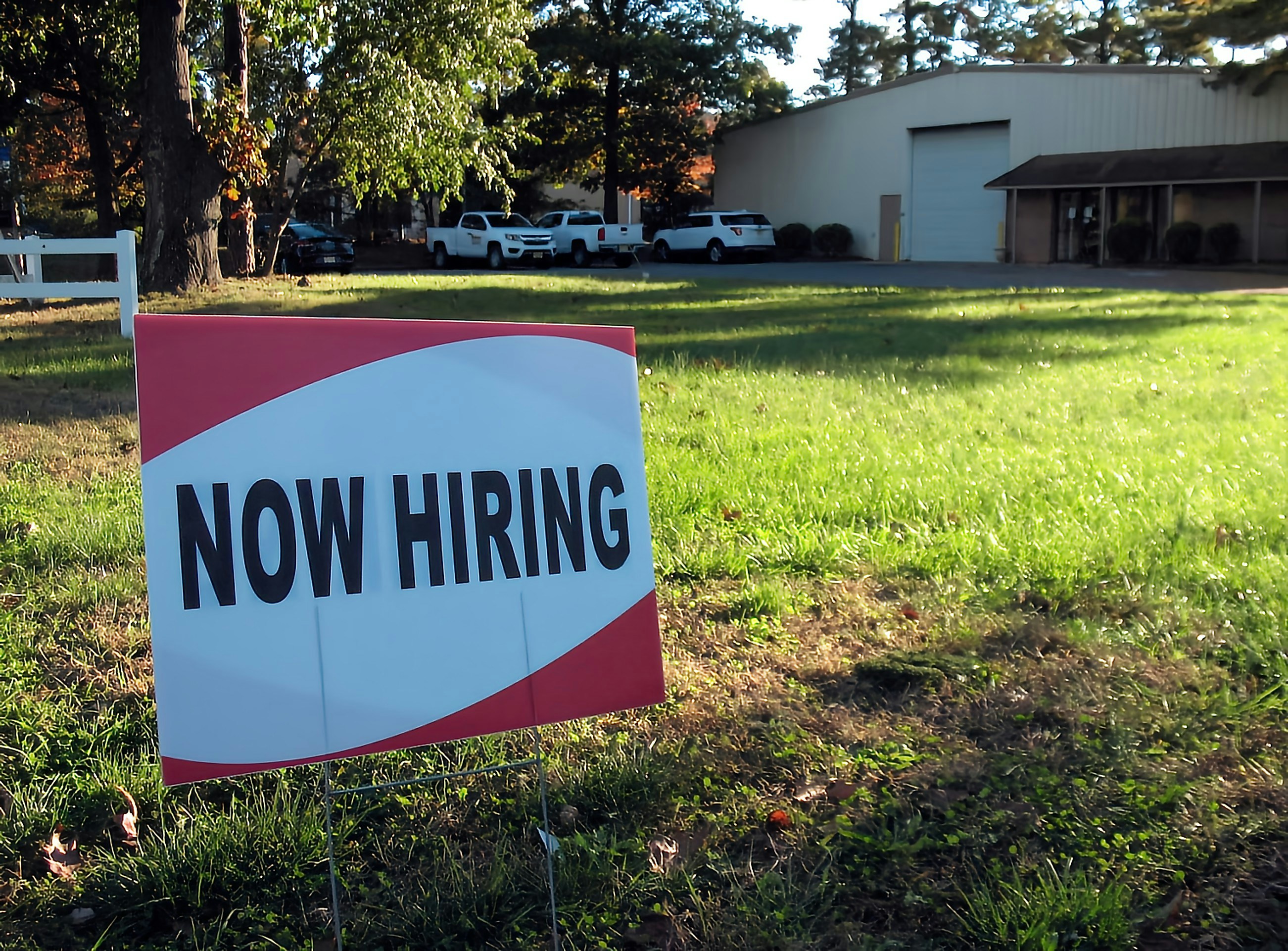
U.S. hiring slowed sharply in June even as the unemployment rate fell, curbing some of the budding momentum in job growth this year.
Nonfarm payrolls increased 57,000 last month after downward revisions to the prior two months took some of the shine off recent blockbuster reports, Bureau of Labor Statistics data Thursday showed. The unemployment rate fell to 4.2% as labor force participation plunged.
The payroll figures, which were lower than all but one estimate in a Bloomberg survey, suggest the labor market still faces some challenges despite signs of strength in recent months. While consumer spending has been resilient in the face of the energy shock from the Iran war, Americans are pessimistic about high prices, which may also be keeping employers cautious about hiring.
The pullback was led by the biggest decline in leisure and hospitality payrolls since 2020—“reflecting weaker than usual seasonal hiring,” according to the BLS—following a strong increase in May. Ahead of the report, some economists were expecting the FIFA World Cup, which kicked off last month, to boost payrolls in the sector.
The S&P 500 opened higher, while Treasury yields fell. Investors also scaled back bets on Federal Reserve interest-rate increases, though they continued to expect at least one this year.
“June’s employment report was an obvious disappointment, though the report should not sway anyone’s overarching views on the economic outlook,” Neil Dutta, the head of economics at Renaissance Macro Research, said in a note. “The main story here is of a labor market that reflects the broader economy. Economic growth is uneven and thus, the labor market is too.”
The jobs report comprises two surveys, one of households and the other of employers. The survey of households, which is used to calculate the unemployment and participation rates, was more downbeat, though it can also be more volatile.
The participation rate—the share of the population that is working or looking for work—dropped to 61.5%, the lowest level in more than five years, according to Thursday’s report. The BLS said when accounting for population adjustments, it was little changed from a year earlier.
Participation for so-called prime-age workers between the ages of 25 and 54 dropped to 83.3%, matching the lowest level since 2023. Some economists suggested the sharp decline in both figures could be a statistical quirk.
Sector breakdown
The healthcare and social assistance sector, which has been a primary driver of job growth in recent years, continued to lead hiring, accounting for most of the increase in June.
Manufacturing and construction payrolls also rose. Many economists have pointed to the data-center buildout as a possible driver of demand for construction labor in 2026, even as homebuilding continues to be restrained by elevated interest rates.
At the same time, some Big Tech companies like Meta Platforms Inc. and Microsoft Corp. are reducing headcount, in part to offset heavy spending on artificial intelligence. Information payrolls continued to decline, marking the 17th drop in the last 18 months.
Employment in the financial activities sector, another key employer of white-collar workers seen as among the most vulnerable to automation, was little changed.
Average hourly earnings rose 3.5% from a year earlier. Economists are paying close attention to how labor supply and demand dynamics are impacting pay—especially as inflation begins to outpace wage growth in a slew of sectors.
Consumer sentiment is recovering somewhat now that U.S.-Iran peace negotiations have resumed and oil prices have tumbled, which may encourage employers to ramp up hiring in the months to come.
Separate data out Thursday showed applications for unemployment benefits were little changed last week. Layoffs have remained low in recent years, contributing to what economists have described as a “low-fire, low-hire” labor market.
From the Fed’s perspective, “the labor market is stable and there’s no inflation coming from the job market,” said Heather Long, the chief economist at Navy Federal Credit Union. “But for the rest of America, this is disappointing news. The job opportunities remain limited, and inflation is wiping out all wage gains.”
— With assistance from Mark Niquette, Julia Fanzeres, and Maya Prakash
Photo credit: Ernie Journeys/Unsplash
_______
©2026 Bloomberg L.P. Visit bloomberg.com. Distributed by Tribune Content Agency LLC.
Sign in to get access to this free resource, and all of our whitepapers and reports.

Download this content today!
Register Now Already registered? Click here to Log In