



Byron, an AI agent platform for tax preparation, announced Wednesday its public launch, unveiling AI agents designed to eliminate manual processes across the business tax preparation workflow of CPA firms—from processing unstructured client data to generating review-ready workpapers and output.
The agents take on a series of tasks between receiving the client data and completing the finished tax return.
“Over the last year, we’ve spent countless hours with accountants and tax professionals trying to understand a simple question: Why does business tax preparation still require so much manual work? The deeper we got into the workflow, the clearer it became that this wasn’t just a tooling problem. Tax professionals are operating inside incredibly complex systems built on fragmented software, disconnected data and deeply manual processes. At the same time, firms are being asked to do more work with leaner teams and tighter timelines. We started Byron because we believe AI can fundamentally change that,” Blaze O’Byrne, who founded Byron with Wilm Kranz, wrote in a LinkedIn post on May 27.
The launch follows Byron’s $6.5 million seed round led by venture capital firm Square Peg, with participation from venture capital firms Sorenson Capital and Liquid2 Ventures.
Built by artificial intelligence and accounting experts from Amazon’s Artificial General Intelligence team and Big Four firm Deloitte, Byron integrates with the systems CPAs already use to support 1065, 1120, and 1120-S business tax returns.
The agents roll forward prior-year returns and workpapers into a current-year Excel workbook, request missing client information, and process the data into review-ready output.
Each stage of the workflow—including book-to-tax adjustments, depreciation schedules, state apportionments, and partnership allocations—is handled by a specialized agent trained for that task.
The system can also process highly complex documents, such as K-1s, and delivers more than 97% accuracy across federal, state, K-3, and footnote extractions, the company says.
Byron’s model is designed so AI agents prepare the work while human accountants verify the outputs, with each extracted number source-linked and confidence-scored. This approach allows accounting firms to focus on high-value review and judgment rather than manual preparation.
As engagements evolve, teams can continue working in Excel while Byron keeps outputs synchronized and moves approved data into existing tax software workflows, the company says.
“Accountants don’t have a demand problem, they have a capacity problem,” O’Byrne said in a statement. “That’s been true for years, but what’s changed is the technology. Until recently, most automation for CPAs focused on 1040 returns because business tax workflows were too complex to automate reliably. Firms are dealing with unstructured documents, inconsistent client data, changing tax rules, and review-heavy processes that legacy software couldn’t manage effectively. Advances in large language models over the last six months have changed that, and it’s now possible to automate most of the business tax process while still allowing accountants to work directly in Excel.”
Byron is SOC 2 Type II compliant, with encryption in transit and at rest, U.S.-based data hosting, and role-based access controls.
Customer data is not used to train underlying models, every output links back to its source, and every workflow is logged for auditability and review, the company says.
More information on Byron can be found here.
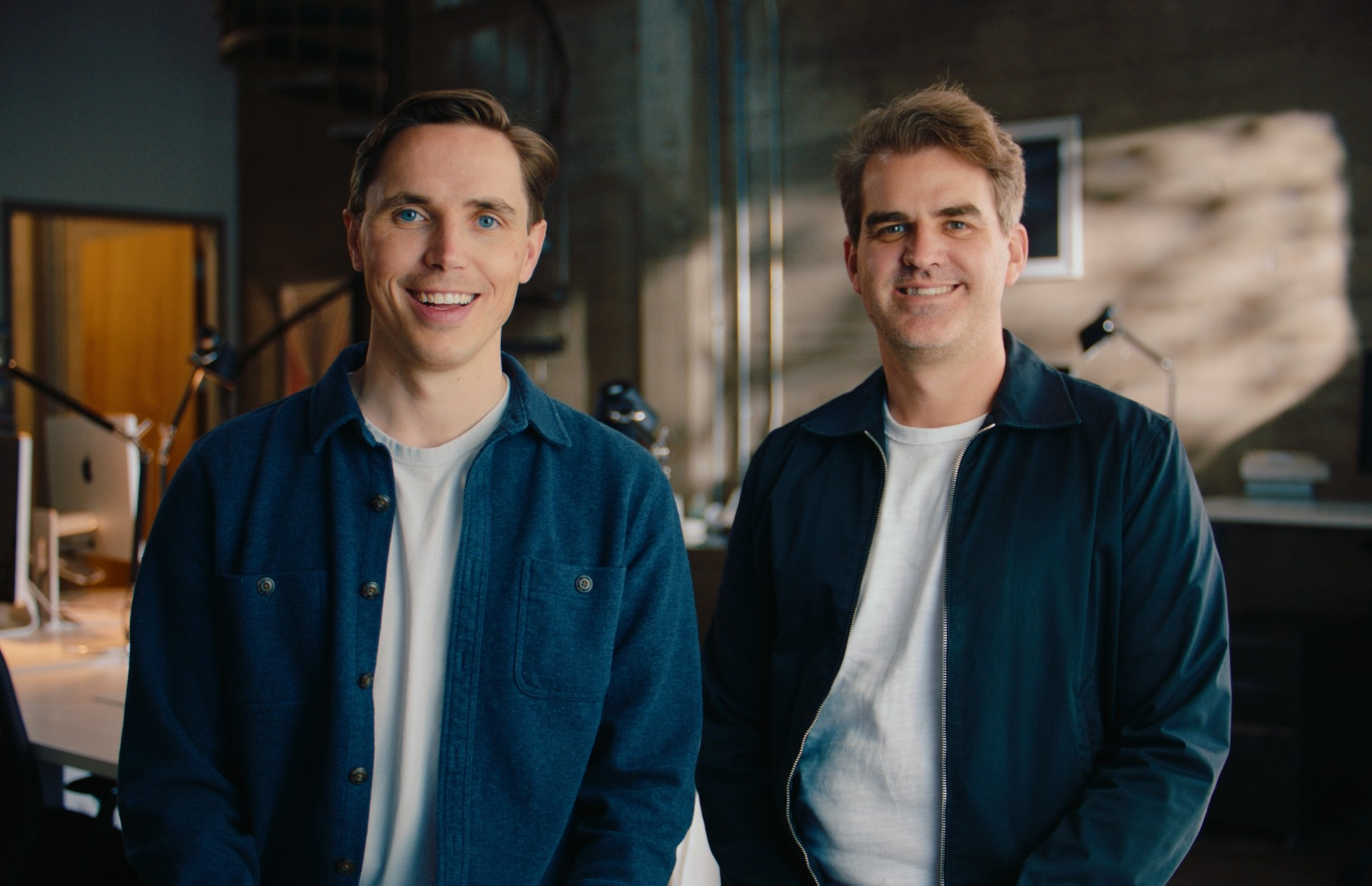
Photo caption: Byron co-founders (from left) Wilm Kranz and Blaze O’Byrne.
Sign in to get access to this free resource, and all of our whitepapers and reports.

Download this content today!
Register Now Already registered? Click here to Log In