



By Elizabeth Rodd, Regional Vice President of Sales, Southeast, Engage PEO.
Accounting firms have always been at the heart of their clients’ most sensitive decisions. Whether guiding a family-owned business through succession planning, preparing a fast-growing start-up for an eventual exit, or advising on the complexities of an acquisition, CPAs are trusted confidants who understand both the numbers and the realities of running a business.
One growing reality is that clients struggle with people-related challenges. Rising labor costs, HR administration, compliance risks, and talent retention now consume more time and money than ever for small and mid-sized businesses. While CPAs do not provide HR services directly, they are in the business of solving client problems, and these issues are high on the list.
That is why more accounting firms are turning to professional employer organizations (PEOs). More than 200,000 U.S. businesses partner with a PEO to manage HR, payroll, benefits, and compliance. Referring a client to a trusted PEO can address gaps that frequently surface in growing companies, while also creating new opportunities for the CPA firm.
What is a PEO?
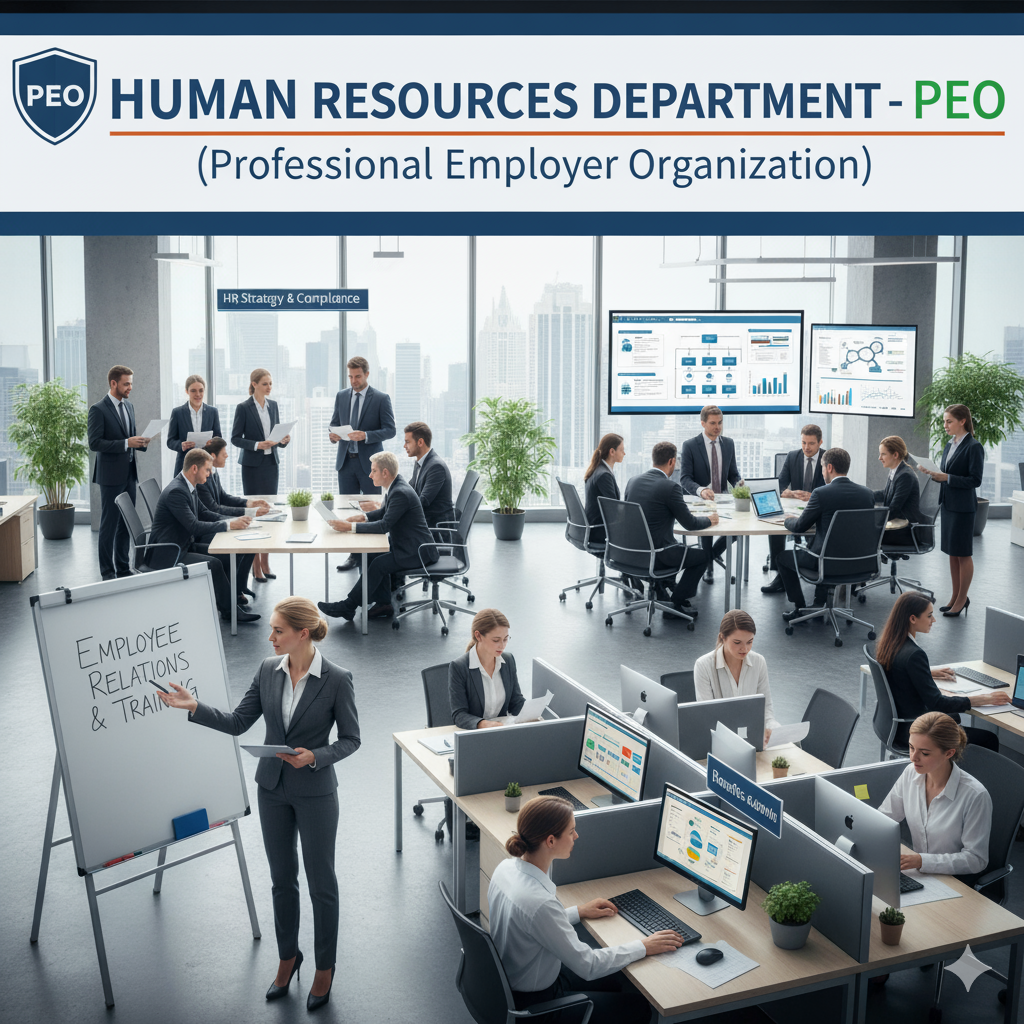
A PEO partner creates the HR infrastructure for clients. The PEO brings technology expertise and bundled services together so business owners can focus on growth instead of getting buried in admin. Payroll, benefits administration, and compliance monitoring move to the PEO, while the client retains full control of daily operations.
For clients, this can mean:
- Lower overhead and fewer vendors
- Access to benefits comparable to those offered by large employers
- Reduced risk of costly mistakes or compliance missteps
- Access to advanced technology for smarter workforce management and real-time insights
For CPAs, a PEO referral strengthens their role as a problem-solver by connecting clients with affordable, strategic solutions that improve efficiency and protect their business.
Where PEO Referrals Make the Biggest Impact
Most CPAs can benefit from a PEO referral partnership, especially when clients are unhappy with their payroll provider or when the CPA has lost confidence in the providers they once recommended.
Some practice areas are a natural fit:
- Succession and exit planning: Owners preparing to sell or pass down a business want clean books and lean operations. A PEO can reduce liabilities, consolidate vendors, and make the company more attractive to buyers.
- Mergers and acquisitions: Hidden HR liabilities, such as wage-and-hour claims or misclassified employees can delay or derail a deal. Partnering with a PEO helps reduce those risks, eases integration, and may even improve the valuation.
- Start-ups: High-growth founders need to scale quickly but often lack HR infrastructure. A PEO provides immediate structure without forcing the CPA to act as an HR advisor.
Example: A CPA advising a client on selling a manufacturing business uncovered that the company lacked written policies and had inconsistent payroll practices. By bringing in a PEO, the client reduced compliance risks, standardized practices, and closed the deal at a stronger valuation.
Smaller, regional firms with 30 or more CPAs also stand to benefit. Competing with large national firms, these practices are often looking for ways to expand services without adding overhead. Offering access to trusted HR and payroll support through a referral relationship is one way to do just that.
A Benefit for CPAs, Not Just Clients
The value of a PEO extends beyond the client’s operations. Many PEOs provide human resource information systems (HRIS) that integrate payroll, benefits, and compliance data. CPAs gain access to cleaner, consolidated data instead of chasing multiple vendors for information. Financial analysis and reporting become faster and more accurate.
Protecting the CPA–Client Relationship
One of the biggest risks accountants face is competition from the very providers they recommend. Many large payroll and HR companies also sell tax preparation, consulting, or advisory services. Referring clients to those providers can create conflicts and erode the CPA’s role.
This is why choosing the right PEO partner matters. The best partners do not compete with CPAs on financial or strategic advisory services. Instead, they complement the CPA’s role and allow the accountant to remain the central trusted advisor.
What to Look for in a PEO Partner
- Credentials: IRS certification (CPEO), ESAC accreditation, and SOC 2 compliance demonstrate financial stability, operational integrity, and strong data security practices.
- Client service track record: High retention rates, Net Promoter Scores (NPS), and experience with small and mid-sized companies signal reliability.
- Service model: Large, publicly traded providers may be recognizable, but many lack personalized service. Independent PEOs with national reach can combine scale with high-touch support and a commitment not to compete with CPAs.
- Cultural fit: Look for a PEO that values collaboration and respects your role as the client’s primary advisor. The right partner will see your relationship with the client as something to protect, not as a channel to compete against.
- Technology and reporting: Modern HRIS platforms make payroll, benefits, and compliance data more accessible. That makes your work easier and helps you deliver more timely advice to clients.
Looking Ahead
The collaboration between CPAs and PEOs is growing stronger, and for good reason. Whether it is helping an owner prepare for sale, reducing risk in a merger, or improving a start-up’s infrastructure, CPAs who bring in the right PEO partner extend their value without stretching their own resources.
At its core, this is about trust. Business owners rely on their CPA to flag risks and present solutions. By connecting clients with a PEO, accountants reinforce that trust and protect their advisory role.
The PEO model is not new, but for many CPAs it remains an untapped way to strengthen relationships and help clients succeed. That is an advantage worth considering the next time a client’s challenges go beyond the balance sheet.
—
Elizabeth Rodd is regional vice president of sales, Southeast, at Engage PEO. Rodd is responsible for leading the continued expansion of the company’s sales team in the region, supporting both insurance broker partners and the growing number of businesses seeking a strategic HR partner.
Sign in to get access to this free resource, and all of our whitepapers and reports.

Download this content today!
Register Now Already registered? Click here to Log In