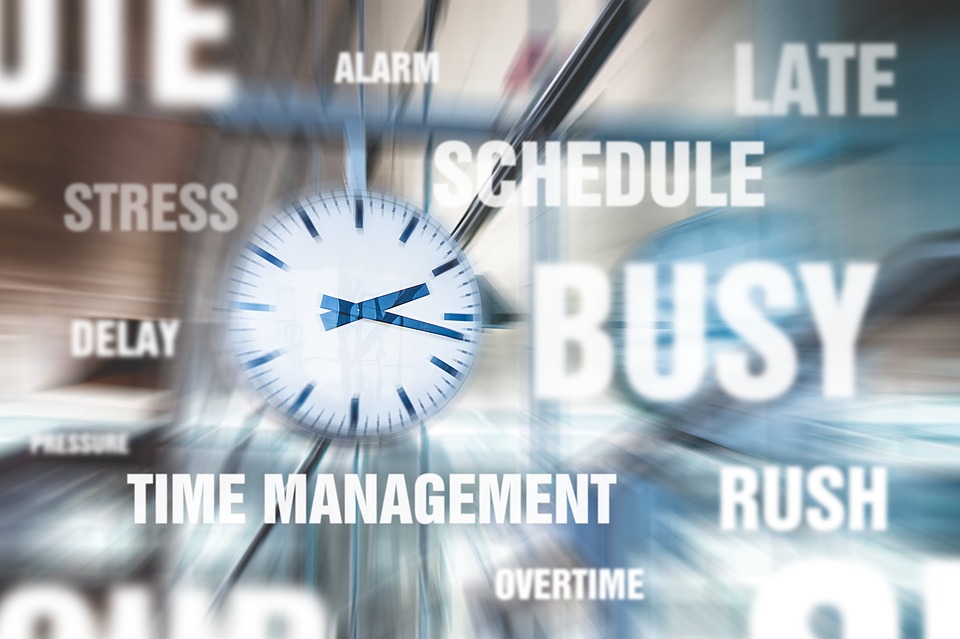




Burnout has long been a hazard in deadline-driven professions, but for today’s CPA firms, the pressure points have multiplied.
First, there’s the numbers problem. When firms lack a strong talent pipeline—as many do because of the worsening accountant shortage—they must rely heavily on their most experienced staff to carry the load day in and day out. Meanwhile, evolving tax laws, shifting regulatory requirements and ongoing technology changes are putting additional strain on already-lean teams expected to do more, faster, and with fewer resources.
Persistent uncertainty is another key contributor to employee burnout. As clients’ needs evolve and economic conditions remain in flux, finance and accounting professionals are under constant pressure to adapt quickly, shift priorities and maintain high performance without missing a beat. That sustained urgency, with little time to pause or recover between peak periods, can easily drain employees’ energy, morale and focus.
However, fatigue or disengagement are not always signs of burnout. One red flag often overlooked is overperformance. Some employees push themselves too hard for too long, worried they will fall behind or let others down. Their “quiet burnout” often flies under the radar until it becomes a retention risk. That’s why it’s essential for CPA firm leaders to stay alert to shifts in the mood, communication style and work habits of all employees, including those who are typically the most productive and engaged.
How to spot the signs of employee burnout
You don’t want burnout driving your top performers out the door. When experienced employees leave, they take critical institutional knowledge with them—plus, they leave remaining staff with even more work and stress to shoulder. Replacing them would not be easy, either. According to Robert Half’s latest Demand for Skilled Talent report, 93% of finance and accounting leaders are already struggling to find the talent they need in today’s labor market. And nearly two-thirds (62%) report they face a moderate to severe challenge in hiring and retaining accounting professionals, specifically.
So, what signs of burnout should you be watching for in your workforce? While symptoms can vary, some of the most common indicators include:
- A decline in the quality, consistency or timeliness of deliverables
- Increased cynicism, irritability or emotional detachment
- Pulling back from conversations, collaboration or team interaction
- Skipping breaks or working excessive hours without a clear reason
- A sense of disengagement or “going through the motions,” even if tasks are getting done
Because burnout can hide behind strong performance or a polished demeanor, it’s important to read between the lines when interacting with your staff. If an employee says they’re fine—but their tone, body language or overall energy suggests otherwise—don’t brush it off. Regular check-ins with team members should go beyond task updates. Use that time to ask thoughtful questions, listen closely and offer support before stress levels worsen.
Keeping burnout at bay: 5 strategies that can make a difference
Burnout won’t resolve on its own. But with practical talent management strategies, you can create a more sustainable work environment for your team without sacrificing results. Here are five to consider:
- Proactively rebalance employee workloads. A recent Robert Half survey found that 36% of U.S. workers already feel burned out, and one in three say their burnout is worse than a year ago. A top contributor? Heavy workloads and long hours. Since many employees won’t ask for help until they’re already overwhelmed, make a point to regularly review capacity and redistribute work as needed.
- Continuously prioritize staff development. Burnout doesn’t always arise from doing too much. It can also stem from doing the same thing for too long. When employees can’t see a clear path forward, engagement fades. Making continuous development part of the everyday rhythm at your firm can help, like assigning stretch projects, encouraging peer mentoring or using quieter weeks for focused training. Even low-key efforts, such as discussing career goals during check-ins or highlighting team wins, can keep your team energized and focused on what’s next.
- Bring in skilled support before things break down. When deadlines stack up, don’t rely on the same core group to absorb every new priority. That’s a fast track to employee fatigue and frustration, and your clients and firm can suffer for it as a result. Engage outside support, such as consultants, contract talent or seasonal staff, to ease pressure, especially during peak work periods. Even short-term help can provide crucial breathing room for your team, allowing them to maintain quality across the board.
- Use technology to ease the load. When your team has the tools to work more efficiently, their work becomes less tedious and stressful. Cloud-based accounting systems, automation platforms and AI-driven collaboration solutions can help reduce manual work, streamline communication and enhance visibility across projects. By reducing or eliminating repetitive tasks, technology creates space for more meaningful, high-impact work.
- Encourage open dialogue about stress. Burnout thrives in silence. Employees need to know it’s safe to speak up—and that doing so will lead to action, not judgment. You can promote open conversation about stress levels with your team by asking thoughtful, open-ended questions like, “What’s been challenging for you lately?” or “Is there anything we should be adjusting right now?” Then, follow through by making adjustments where possible.
Set clear work boundaries—including for yourself
When leaders are constantly overextended, the ripple effects can impact the whole firm. Well-being suffers, morale dips and burnout quietly spreads. Setting clearer boundaries not just for your team, but yourself, can help. For example, carve out time for strategic thinking. Delegate more. And don’t hesitate to step away and recharge when you need it.
When leaders model healthy behavior, it gives everyone in the organization permission to do the same. If your team sees late-night emails and weekend pings as the norm, they’ll assume constant availability is expected. A better approach, which can benefit everyone, is encouraging time off, respecting quiet periods and limiting after-hours communication unless it’s truly urgent.
Addressing the risk of employee burnout takes more than the occasional wellness webinar or Friday afternoon pizza party. It involves rethinking how your firm operates, including how work is allocated, how staff performance is measured, and how you support your people when they start to struggle. Setting work boundaries for yourself will go a long way toward easing the pressure on your team, so they can be productive, engaged and genuinely glad to be part of your firm.
====
Steve Saah is the executive director of permanent placement at Robert Half, the world’s first and largest specialized financial talent solutions service. The company has more than 300 locations worldwide. He is responsible for leading U.S. operations, based in the Washington, D.C., metropolitan area. He was named executive director in 2017, previously serving as director of permanent placement services.
Saah has been with the company since 1998, where he started as a recruiting manager, following a career as an internal auditor and assistant controller. He is a noted expert, author and presenter on career, management and hiring trends, particularly those affecting the accounting and finance fields. Saah earned a finance degree from Virginia Tech.
Sign in to get access to this free resource, and all of our whitepapers and reports.

Download this content today!
Register Now Already registered? Click here to Log In
![Georgia_Food_Fight.5f2af87da89ce[1]](https://www.cpapracticeadvisor.com/wp-content/uploads/2020/09/Georgia_Food_Fight.5f2af87da89ce_1_.5f64f5e838f3d.png)