

By Anna Staver
cleveland.com
(TNS)
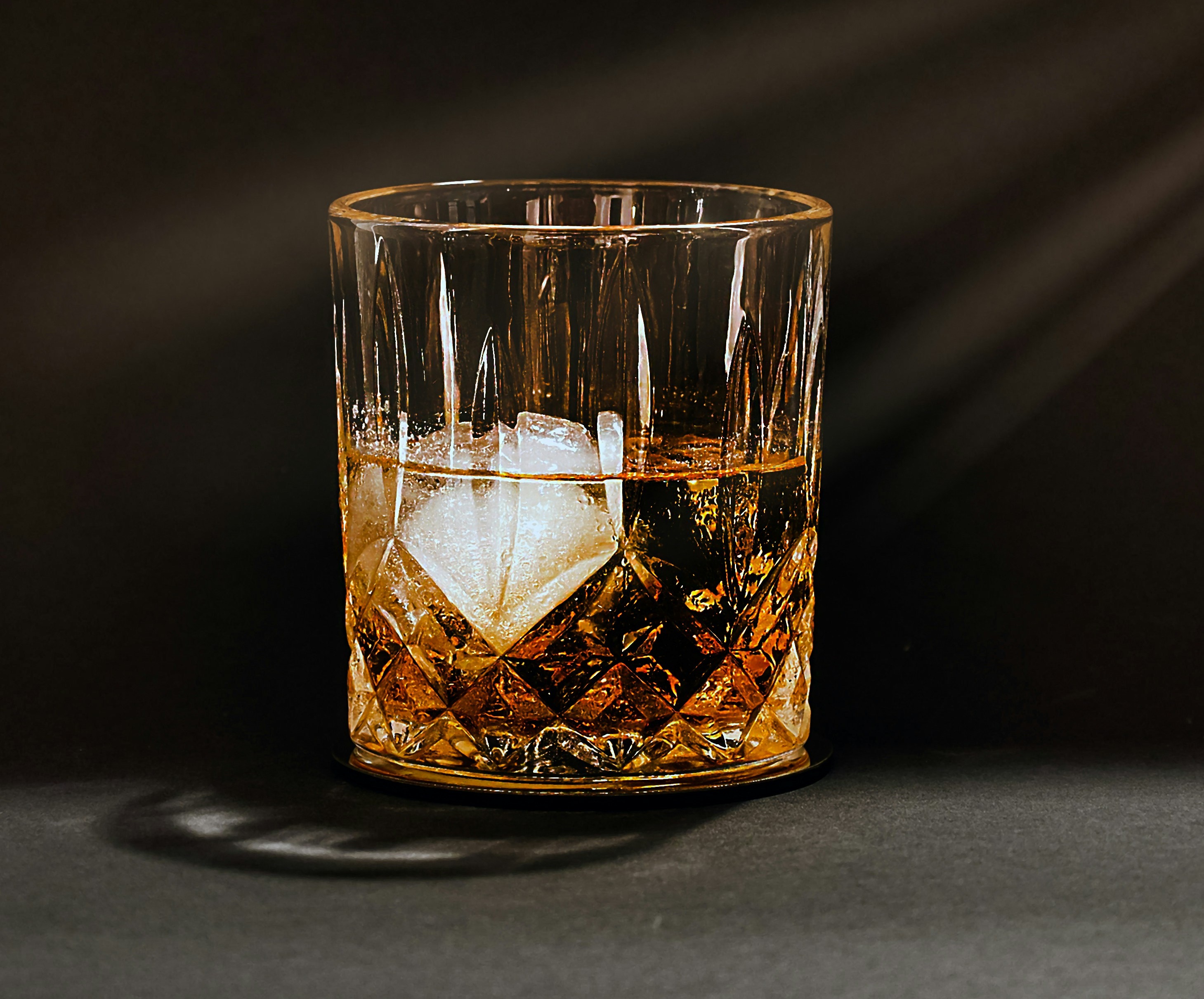
COLUMBUS, Ohio — An Ohio man who wanted to distill whiskey at home may help decide whether millions of Americans can legally do the same.
On Monday, the U.S. Supreme Court agreed to hear a separate challenge to the 160-year-old federal ban on home distilling.
“It is legal to brew beer at home, and it fueled this whole craft brewing revolution,” said Robert Alt, president of the Columbus-based Buckeye Institute, which was involved in both cases. “But if you distill an ounce of liquor, it’s a federal crime.”
John Ream, a Newark brewpub owner, ran into that prohibition when he wanted to try making whiskey the way he had made beer at home.
Breaking the law could mean fines of up to $10,000, five years in prison or both.
Ream challenged the ban in court, as did Scott McNutt of Texas.
Their lawsuits led to different rulings in federal appeals courts this spring.
The federal government said the Supreme Court should settle the dispute but urged the justices to take McNutt’s case.
It argued that Ream’s case was more complicated because there were also questions about whether he faced a real threat of prosecution. The 6th Circuit Court of Appeals ruled in favor of the government on the merits but also said Ream did have standing to bring the case.
The legal question at the center of both cases is how far Congress’ power to collect federal alcohol taxes extends. The federal government’s 1868 prohibition grew out of its determination to collect liquor taxes and its concern that people making liquor at home could hide their stills from inspectors, making it harder to track production and collect taxes.
The 5th U.S. Circuit Court of Appeals rejected that argument in April.
The judges ruled that the power to tax liquor did not give Congress the power to ban people from making it. They also said the ban stopped people from producing liquor that could otherwise be taxed.
Alt said the government’s argument could open the door to banning other activities.
“There is no limiting principle,” Alt said. “They could ban working from home under the theory that it is easier to evade taxes this way.”
Alt expects written arguments to be filed over the winter and estimated oral arguments would take place in late February or early March, with a decision potentially coming by late June.
The court has not set a date.
He also thinks the case could transform the liquor industry the same way home brewing innovations expanded what kind of beer gets manufactured.
“What has created innovation in this country is people tinkering in their basements and garages and creating amazing things,” Alt said.
Photo credit: Stefanie Jockschat/Unsplash
_______
©2026 Advance Local Media LLC. Visit cleveland.com. Distributed by Tribune Content Agency LLC.
Sign in to get access to this free resource, and all of our whitepapers and reports.

Download this content today!
Register Now Already registered? Click here to Log In
Tags: home distilling, Supreme Court, Taxes, whiskey