



By Alexandra Kukulka
Pioneer Press Newspapers, Suburban Chicago
(TNS)
James Snyder, the former mayor of Portage, IN, wants a federal appeals court to dismiss his case stemming from his November 2016 indictment, which included a charge of obstructing the IRS.
In the 111-page motion for dismissal that was filed Monday in the U.S. 7th Circuit Court of Appeals, Snyder’s attorneys pitched three reasons for dismissing the case—alleging the district court made a mistake in not granting his acquittal on the tax charge, that the statute of limitations should nix the interfering with the IRS charge, and the U.S. Supreme Court’s reversal of his bribery conviction, followed by prosecutors dismissing the count, should also undo the conviction on the IRS charge.
Snyder’s attorneys said prosecutors obtained the conviction “based on false and misleading evidence,” arguing that Snyder hid income with no evidence then secured sentencing enhancements and failing to produce pertinent materials from the IRS files, according to court records.
Snyder’s attorneys requested oral arguments for the dismissal of his case.
This is the latest chapter in a saga that began more than nine years ago when Snyder was indicted on one count of defrauding the IRS and two counts of bribery, one involving towing contracts and the other involving garbage trucks.
A jury in U.S. District Court in Hammond found Snyder not guilty on the charge involving the towing contract, and convicted him twice on the garbage truck charge, a case that made its way to the U.S. Supreme Court, which ruled in June 2024 that the $13,000 payment Snyder received over a garbage truck contract was a gratuity, not a bribe, because the payment came after the contract was awarded and not before. The case was remanded to the lower courts.
The jury convicted Snyder on the IRS charge, which involved his personal business and not his duties as mayor at the time, and that conviction had remained unchallenged.
Snyder was scheduled to go to trial for a third time on the charge involving the garbage truck contract, but prosecutors said they would like to sentence Snyder for obstructing the IRS and forgo a third trial on his bribery charge.
Snyder argued in an Oct. 31, 2025 filing that he wanted a new trial on the IRS charge because the information presented on the bribery charges could have improperly swayed the jury. The U.S. Attorney’s Office argued that Snyder’s request “is both untimely and meritless.”
U.S. District Court Northern District of Indiana Chief Judge Holly Brady sentenced Snyder to three years probation and repayment to the IRS on March 10, his 48th birthday, for the obstruction of the IRS charge.
Recommended Articles

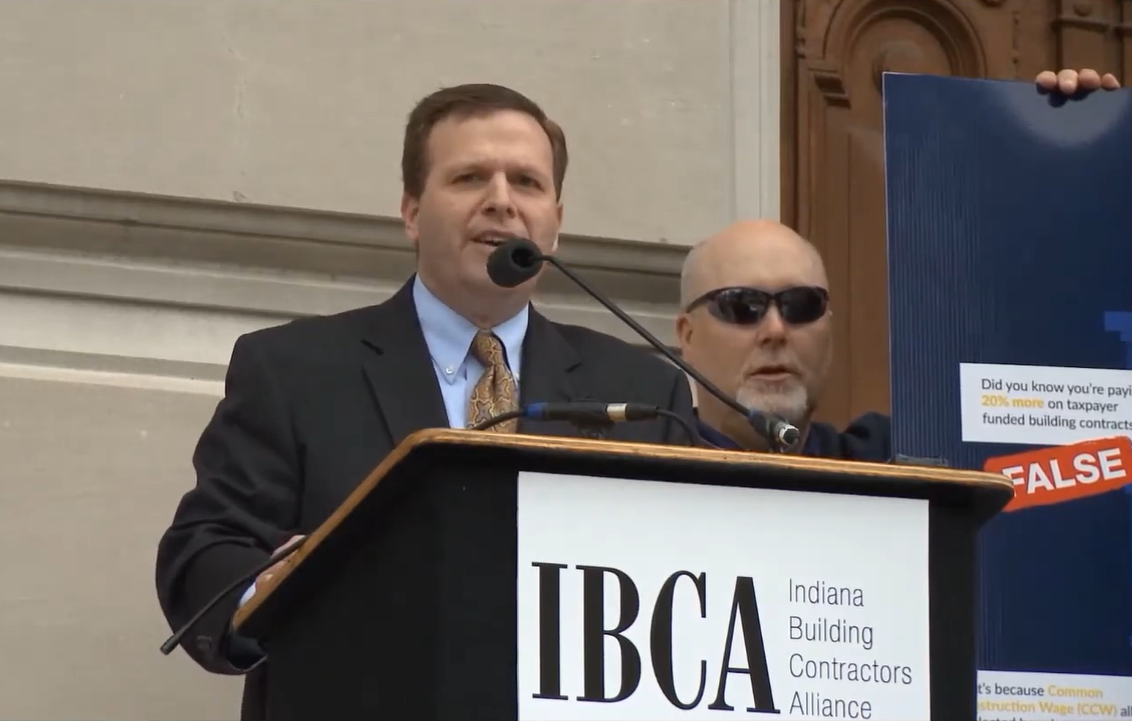
Snyder would have to pay $78,111.57 in restitution, which is what he still owes for obstructing the IRS, Brady said, made in monthly payments of $570 a month. Brady said Snyder has paid $18,000 of his debt.
Snyder filed an appeal March 23 to his probation sentence.
In arguing for dismissal, Snyder’s attorneys stated that the government falsely claimed that Snyder used fake and fraudulent invoices to avoid paying taxes. His attorneys further argued that the evidence presented at trial “was insufficient to prove a corrupt endeavor to obstruct the administration of the internal revenue laws,” according to court records.
Snyder’s attorneys argued that IRS Special Agent Gerard Hatagan, who brought forth the evidence for the indictment, stated during sentencing that a case like Snyder’s “possibly would not be pursued today.”
Hatagan testified that if an IRS obstruction charge like Snyder’s was considered “solely on number” and not the manner it was committed it wouldn’t be prosecuted.
“But it was all the other aggravating factors in this case that caused it to happen how it happened,” Hatagan said. Those factors were that Snyder was an elected official and that the tax scheme lasted multiple years, he said.
“The government admitted targeting a failed business owner on a tax theory because he later was elected to local public office. The testimony was as candid as it was extraordinary,” according to the court document.
The district court also failed to follow the six year statute of limitations on the count for interfering with the IRS laws, Snyder’s attorneys argued. Hatagan’s testimony at his sentencing undid the fraudulent invoices claim presented by prosecutors and that statute of limitations began when the alleged crime occurred, the motion stated.
Finally, given that the Supreme Court’s determination that bribe and gratuity have different definitions under the law, that ruling should, in turn, dismiss the interfering with the IRS charge.
Prosecutors argued that between January 2010 and April 2013 Snyder executed a scheme to obstruct the IRS’s collection of his unpaid business and personal taxes.
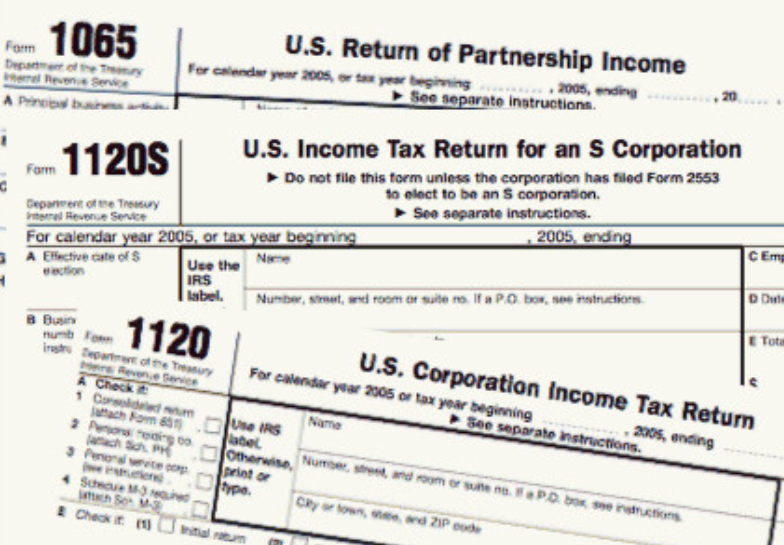
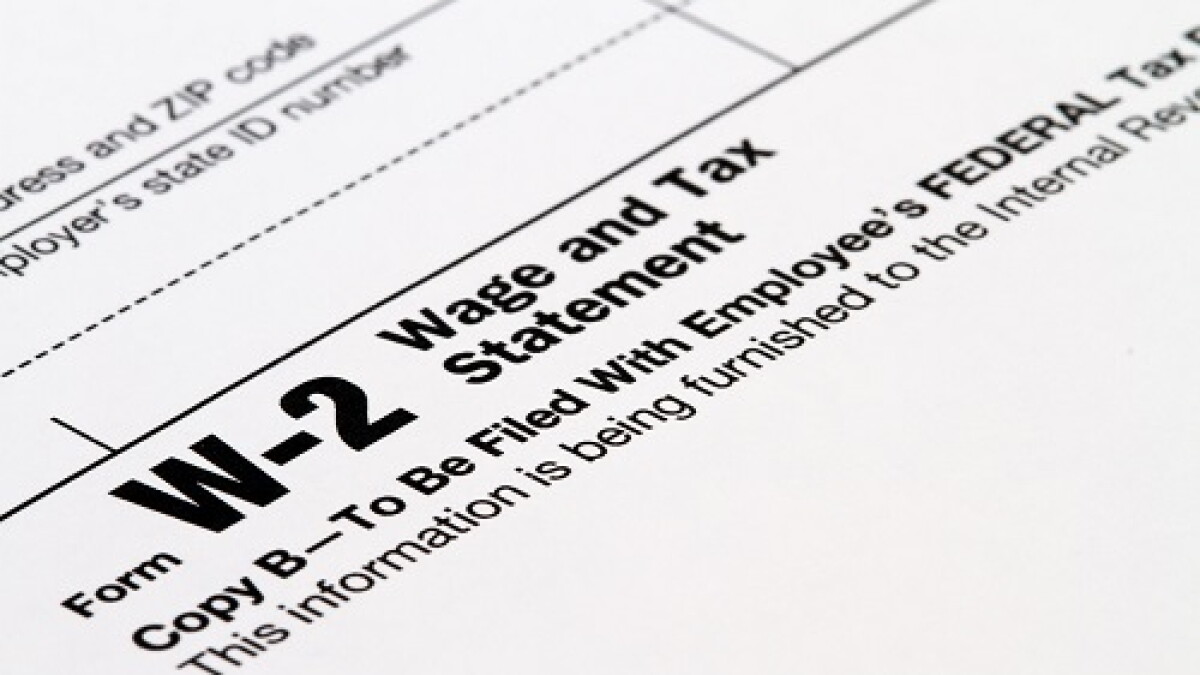
Snyder’s company First Financial Trust Mortgage LLC in 2007, 2008 and 2009 Snyder didn’t pay the IRS employee’s payroll and income taxes, Medicare and Social Security taken from employees’ paychecks. Snyder also didn’t file IRS forms in a timely manner, prosecutors said.
By November 2009, the IRS discovered that the company owed approximately $97,000, prosecutors said, while Snyder paid himself approximately $110,000 from the company bank account.
In January 2010, Snyder signed an employment agreement with a mortgage company called GVC and opened a “branch office” out of the First Financial Trust Mortgage LLC office. Under the agreement, GVC hired Snyder as an employee and hired and paid all his employees, prosecutors said.
In 2010, Snyder began creating “phony invoices” from a company called SRC to bill First Financial Trust Mortgage LLC for “consulting” work, prosecutors said. GVC paid SRC over $400,000 in 2010, 2011 and 2012, and SRC received deposits totaling over $640,000 in that same time frame, prosecutors said.
On his personal taxes, Snyder owed the IRS $31,369 for tax years 2005, 2006 and 2007. But in March 2010, under penalty of perjury, Snyder stated his personal tax debt was uncollectible and instead offered to pay $1,000, prosecutors said.
Photo credit: James Snyder/LinkedIn
_______
© 2026 Pioneer Press Newspapers (Suburban Chicago, Ill.). Visit www.chicagotribune.com. Distributed by Tribune Content Agency LLC.
Sign in to get access to this free resource, and all of our whitepapers and reports.

Download this content today!
Register Now Already registered? Click here to Log In
Tags: Income Taxes, Indiana, IRS, James Snyder, obstructing the IRS, probation, Taxes