



By Chris Pugh
cleveland.com
(TNS)
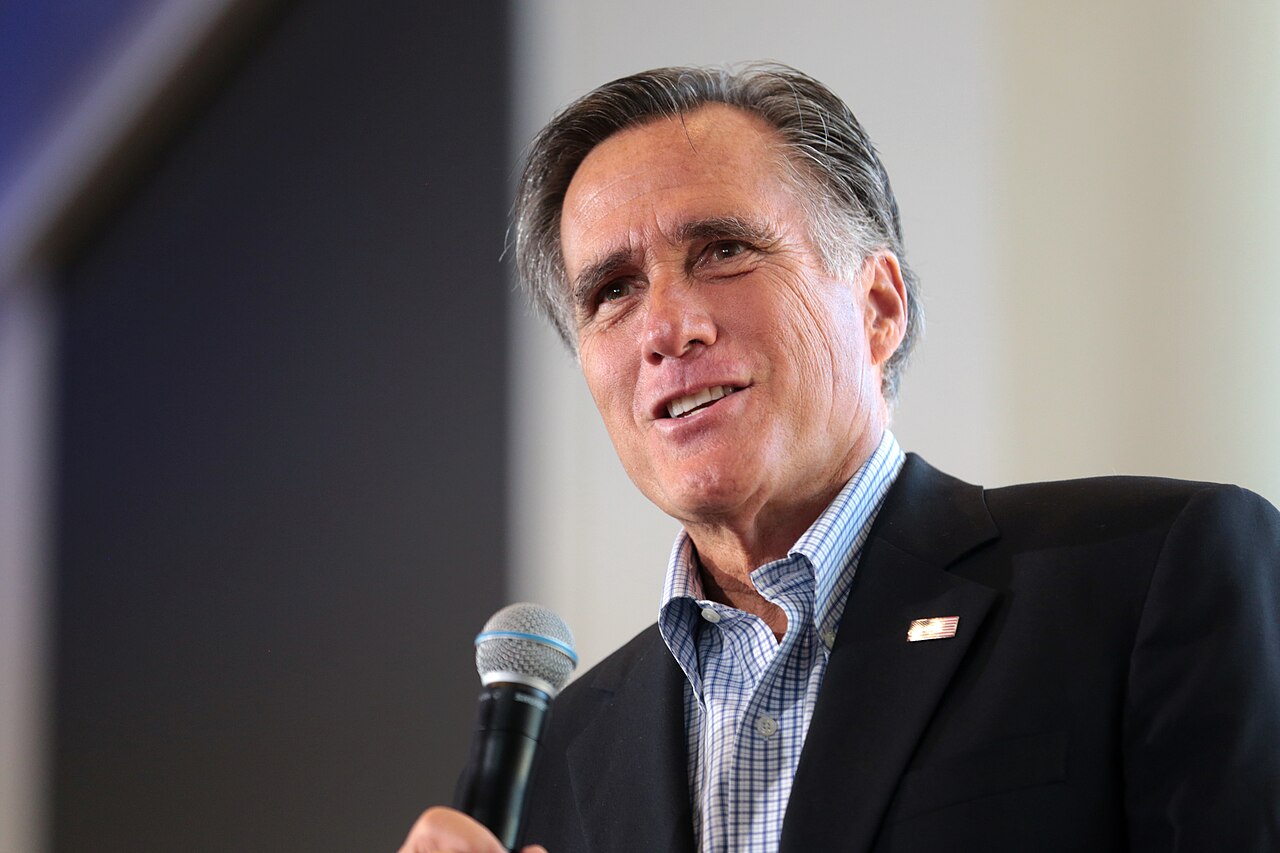
WASHINGTON — Former Social Security Commissioner Martin O’Malley is calling on Congress to take action to shore up the nation’s retirement program, arguing that raising the cap on income subject to Social Security payroll taxes could help address the system’s looming financial challenges.
O’Malley made the case in recent interviews following the release of the latest Social Security Trustees Report, which found that the program’s primary retirement trust fund is expected to exhaust its reserves in 2032, one year earlier than projected in last year’s report. If lawmakers fail to act before then, benefits could be reduced by about 22% because incoming payroll taxes would not be sufficient to cover all scheduled payments.
The former commissioner, who led the Social Security Administration during the Biden administration, said one potential solution is requiring higher-income earners to pay Social Security taxes on a larger share of their earnings. Under current law, wages above a certain threshold are not subject to the Social Security payroll tax. In 2026, that taxable wage base is set at $184,500.
O’Malley argues that lifting or eliminating the cap would generate additional revenue from top earners and help close much of the program’s long-term funding gap. He has said the approach would affect only a small percentage of workers while helping preserve benefits for current and future retirees.
Recommended Articles
The debate comes as concerns about Social Security’s finances continue to grow. The trustees reported that demographic changes, including lower birth rates, longer life expectancies and a declining ratio of workers to beneficiaries, are placing increasing pressure on the program. Recent legislative changes affecting tax revenue have also contributed to the worsening outlook.
Social Security currently provides benefits to more than 70 million Americans, including retirees, people with disabilities and survivors of deceased workers. Analysts warn that while the program would not disappear if the trust fund reserves are depleted, benefits would automatically be reduced unless Congress enacts reforms.
Lawmakers and policy experts have proposed a range of solutions over the years. Some favor raising payroll taxes on higher earners, while others advocate increasing the retirement age, modifying benefit formulas or combining multiple approaches. Several proposals introduced in Congress would either raise the taxable wage cap or apply Social Security taxes to earnings above a specified income threshold.
Despite broad agreement that action will eventually be necessary, Congress has yet to settle on a plan. The last major overhaul of Social Security occurred in the 1980s, when lawmakers approved a bipartisan package of reforms that extended the program’s financial stability for decades.
With the projected funding deadline now less than seven years away, O’Malley and other advocates say lawmakers should move sooner rather than later to avoid abrupt benefit reductions for millions of Americans who rely on Social Security as a key source of retirement income.
Photo credit: Martin O’Malley/Facebook
_______
©2026 Advance Local Media LLC. Visit cleveland.com. Distributed by Tribune Content Agency LLC.
Sign in to get access to this free resource, and all of our whitepapers and reports.

Download this content today!
Register Now Already registered? Click here to Log In