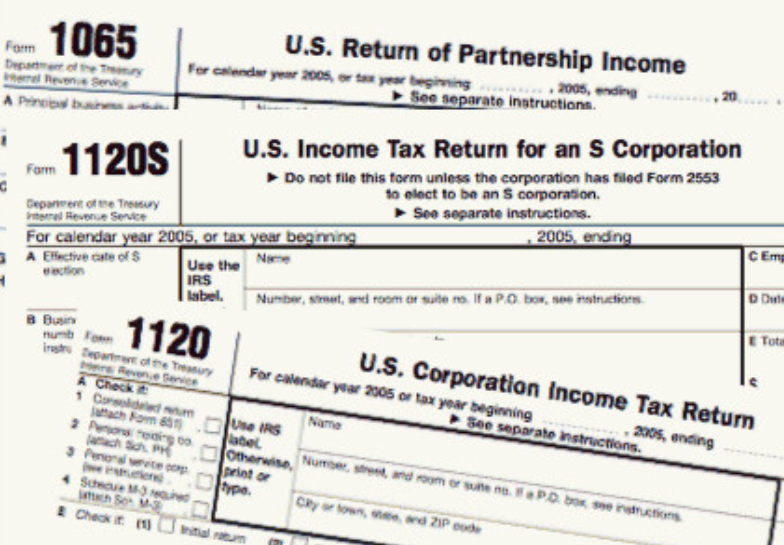




The Treasury Department and the IRS said last week they plan to issue proposed regulations addressing the tax on excessive compensation and excess parachute payments to top executives of tax-exempt organizations under the One Big Beautiful Bill Act.
The OBBBA expanded the application of excise tax on excess compensation by broadening the definition of a “covered employee” of an applicable tax-exempt organization. The tax previously applied to the five highest-compensated employees for the tax year. Now the tax can apply to any employee with compensation exceeding $1 million in a tax year or an excess parachute payment.
Notice 2026-36, issued by the IRS on June 5, clarifies that the amended definition of covered employee, which will be addressed in the forthcoming proposed regulations, includes only:
- Any individual who was an employee of an ATEO in any tax year beginning after Dec. 31, 2016, and on or before Dec. 31, 2025, if the individual was a covered employee for the tax year under prior law; and
- Any individual who is an employee of an ATEO in any tax year beginning after Dec. 31, 2025 (unless a covered employee exception applies).
The notice also provides important exceptions for individuals who provide volunteer services to tax-exempt groups that could otherwise be impacted by the OBBBA changes. Specifically, it allows ATEOs and their related organizations to rely on the limited hours and nonexempt funds exceptions to the post-OBBBA definition of covered employee until further guidance is issued.
The Treasury Department and the IRS say they believe the upcoming proposed regulations will include covered employee exceptions for limited hours and nonexempt funds. The proposed regulations aren’t expected to apply to tax years beginning before the issuance of final regulations.

“The new law strengthens the accountability of tax-exempt organizations by expanding tax compliance requirements for certain organizations paying excessive compensation and excess parachute payments to their executives,” IRS CEO Frank Bisignano said in a statement. “It broadens the scope of tax from a limited group of executives to potentially any highly compensated employee.”
The Treasury Department and the IRS request comments on all aspects of Notice 2026-36 and any other issues that should be addressed in the forthcoming proposed regulations by Aug. 4, 2026. Comments are particularly requested on the issues raised by this notice, which also includes instructions on submitting comments.
Last month, the American Institute of CPAs sent a letter to the Treasury Department and the IRS urging them to provide transition relief and comprehensive guidance on the excise tax.
Recommended Articles
Our letter requests guidance providing transition relief for fiscal-year filers; extension of the limited hours, nonexempt funds, and limited services exceptions; and a clear regulatory exception so unpaid public volunteers are not treated as covered employees,” Scott Klein, senior manager of tax policy and advocacy at the AICPA, said in a statement last month. “Without this guidance, nonprofits and related organizations could face unexpected excise taxes, added compliance burdens, and heightened financial risk under current law.”
Sign in to get access to this free resource, and all of our whitepapers and reports.

Download this content today!
Register Now Already registered? Click here to Log In