



Ignition says the future of artificial intelligence isn’t another siloed platform. It’s an open ecosystem.
During the first day of AICPA ENGAGE 2026 on Monday, the practice management software provider announced new AI-powered capabilities and ecosystem investments designed around a simple belief: accounting firms should be able to work the way they want, using the tools they choose.
As AI reshapes the accounting technology landscape, Ignition says it’s taking an open ecosystem approach that connects firms, partners, and AI tools rather than asking firms to operate inside a single platform.

“Firms don’t run on one piece of software. They run on a connected stack of tools. Our job is to make that stack work better together and give firms the flexibility to work however they want,” Ignition CEO Greg Strickland said in a statement on June 8. “We don’t believe walled gardens serve firms well in the AI era because they limit choice, create more silos, and make it harder for firms to benefit from innovation happening across the broader ecosystem.”
That flexibility is becoming increasingly important as accounting firms adopt AI. Some firms want AI embedded directly into their workflow. Others want to use specialized applications. More firms want to work through AI assistants like Claude or ChatGPT. Ignition says it supports all three.
The company says its open ecosystem gives firms multiple ways to accomplish the same outcome, such as:
- Use AI-powered capabilities directly within Ignition.
- Connect specialized applications and workflows through partner integrations and APIs.
- Access Ignition through AI assistants, such as Claude or ChatGPT, using Ignition’s Model Context Protocol.
Rather than forcing firms into a single workflow, Ignition is letting firms choose the experience that best fits how they operate.
“The future isn’t one platform doing everything,” Strickland said. “It’s connected systems that work together intelligently. Firms should be able to choose the tools they love and still get a seamless experience.”
This approach extends across Ignition’s growing ecosystem of technology partners spanning bookkeeping, general ledger, workflow, voice capture, payroll, financial operations, and AI-powered applications, the company added.
Ignition provided the following example: One of the biggest sources of lost revenue at accounting firms today is the time between a client discovery call and sending a proposal.
“Notes get buried. Follow-up gets delayed. Opportunities cool off,” the company said. “Now, firms can take a client meeting recording, transcript, email exchange, or notes and turn them into a proposal in multiple ways.”
They include:
- Through AI-powered proposal creation directly inside Ignition.
- Through connected partner applications.
- Through an AI assistant using Ignition’s MCP.
“The outcome is the same: less administrative work, faster response times, and a better chance of winning profitable engagements,” Ignition said.

“There’s a reason people say time kills deals,” added Tammy Hahn, senior vice president of product at Ignition, in a statement. “Now, firms can take a meeting transcript and turn it into a proposal immediately. AI provides the starting point. The accountant stays in control.”
Ignition says it pairs proposal creation with its AI-powered Price Insights, introduced at AICPA ENGAGE last year, helping firms not only move faster but make more informed pricing decisions to ensure the work is profitable.
Recommended Articles
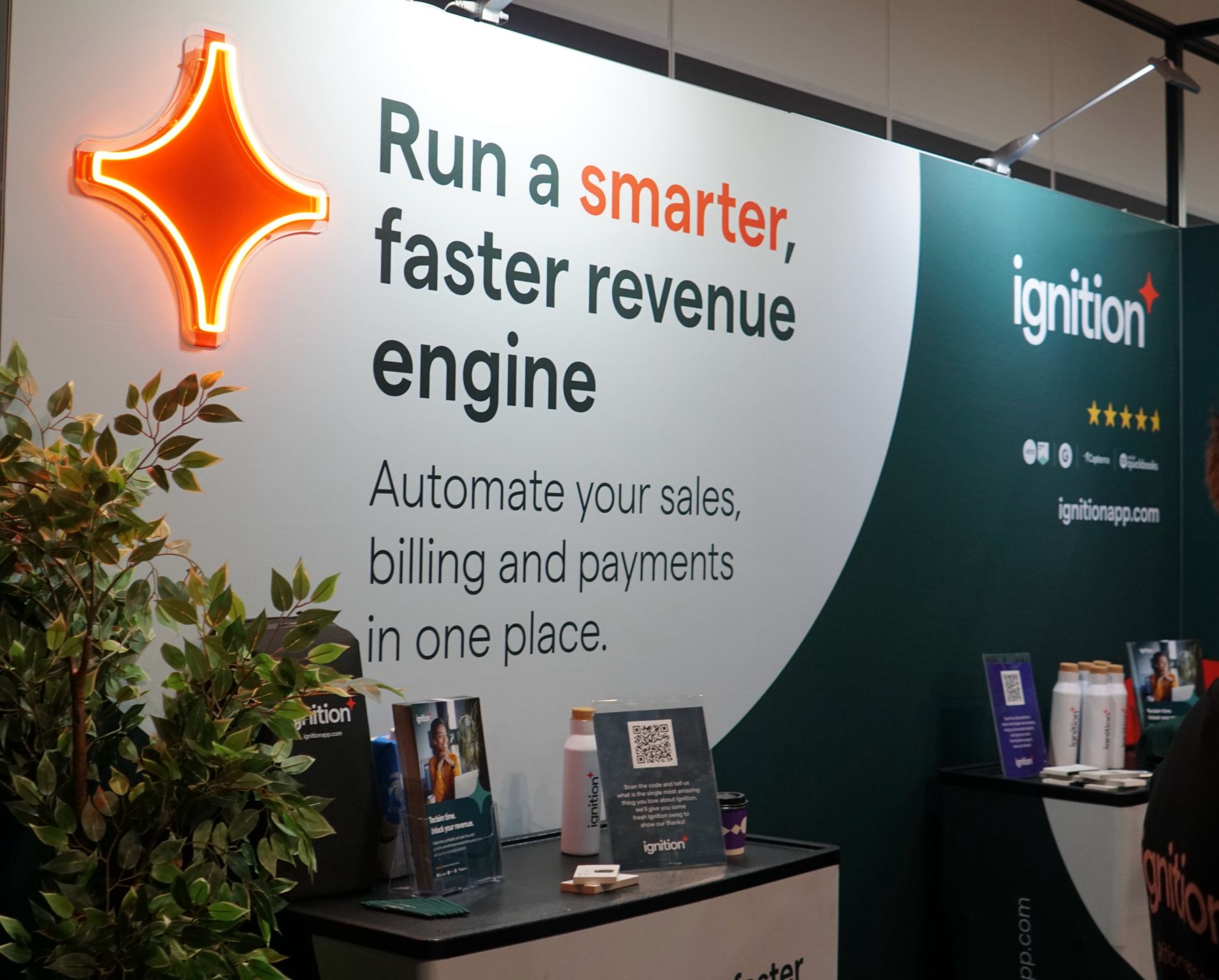
Ignition says its MCP acts as a bridge between its platform and AI assistants, making it easier for firms to access data and perform actions without switching between systems.
Strickland compares it to the infrastructure underneath a home.
“Think of it like the plumbing under a house. You don’t see it, but it’s what makes everything work,” he said. “The tools and AI assistants are the fixtures. The accountant is still the one in control. What we’ve built is the infrastructure that helps connect everything together.”
As firms continue adopting AI, Strickland believes the winners won’t be the platforms that try to own every workflow. They’ll be the platforms that make the entire ecosystem work better.
“We’re not trying to be the loudest voice in AI,” he said. “We’re trying to be the most useful. If it doesn’t help a firm run better, it doesn’t matter.”
Sign in to get access to this free resource, and all of our whitepapers and reports.

Download this content today!
Register Now Already registered? Click here to Log In