By Orion Donovan Smith
The Spokesman-Review, Spokane, Wash.
(TNS)
(April 21) WASHINGTON — When Republicans in Congress passed the One Big Beautiful Bill Act in July, they hoped Americans would feel the effects of the sweeping tax-and-spending legislation by the time Tax Day rolled around on April 15.
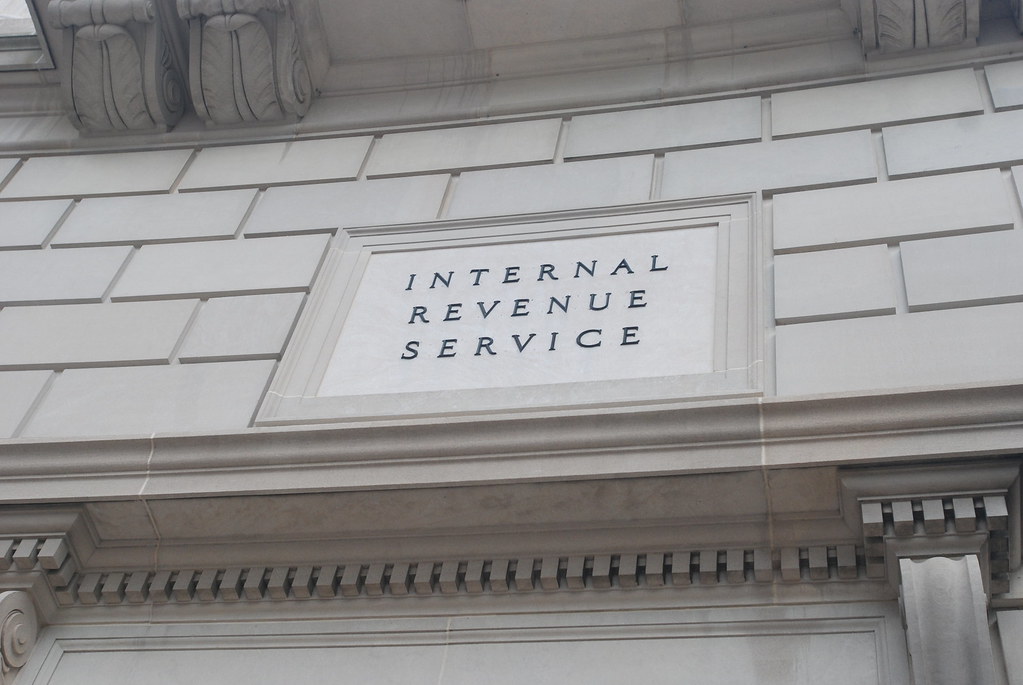
According to the latest data from the IRS, average tax refunds as of March 28 had increased by just more than 11% compared to the same point a year earlier, or an average of $351 per taxpayer. That falls short of the $1,000 boost President Donald Trump repeatedly promised after Republicans passed the bill in July, but it represents a significant increase months before midterm elections that have so far been defined by the high cost of living.
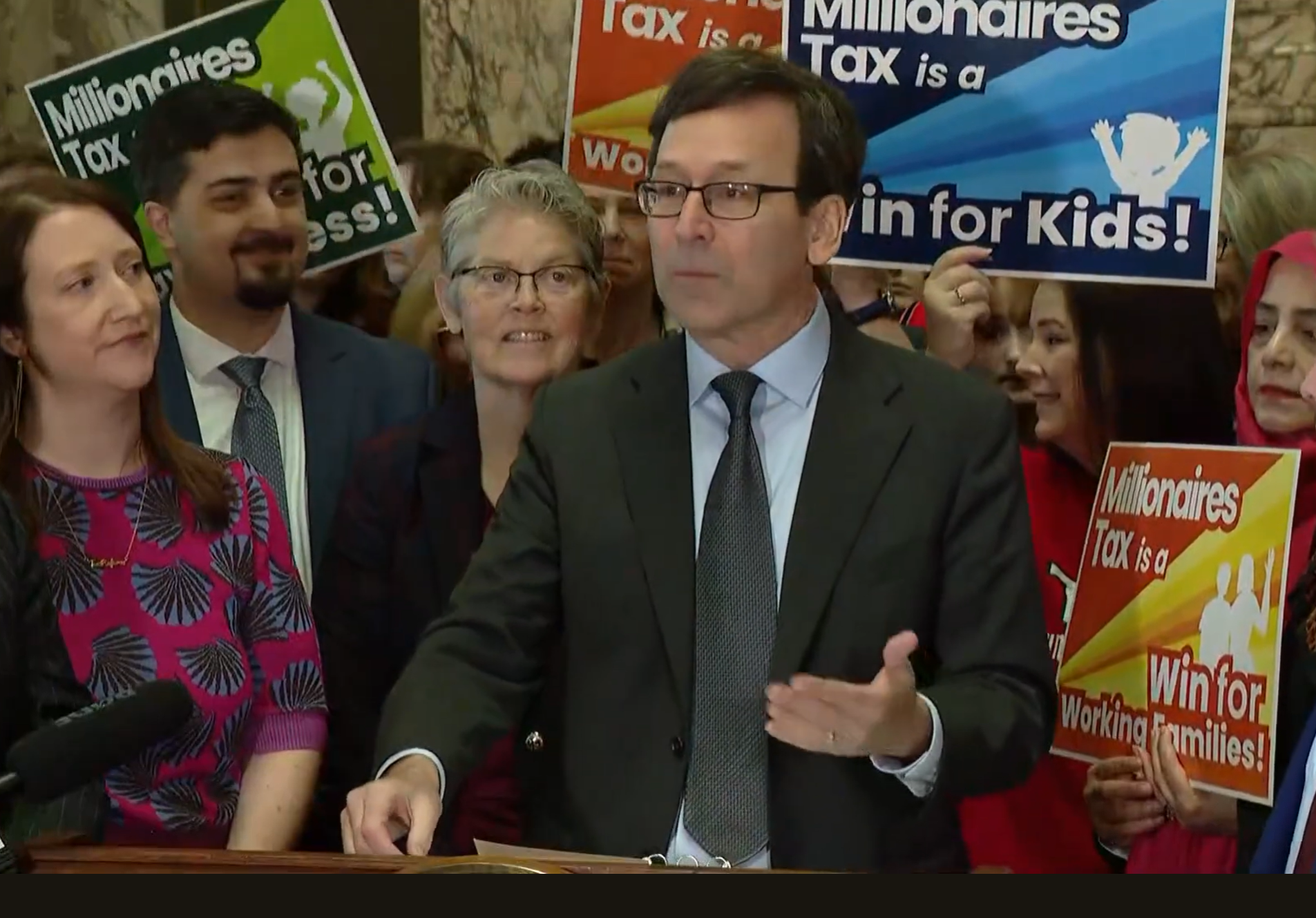
“The historic tax reductions by Republicans in Congress have been a huge win for the American people, and really stand in stark contrast to the largest tax increases in history passed by [Washington Gov.] Bob Ferguson and the Democrats in Olympia,” Rep. Michael Baumgartner, R-Spokane, said in an interview Thursday. “They should be really meaningful and helpful for affordability.”
Recommended Articles
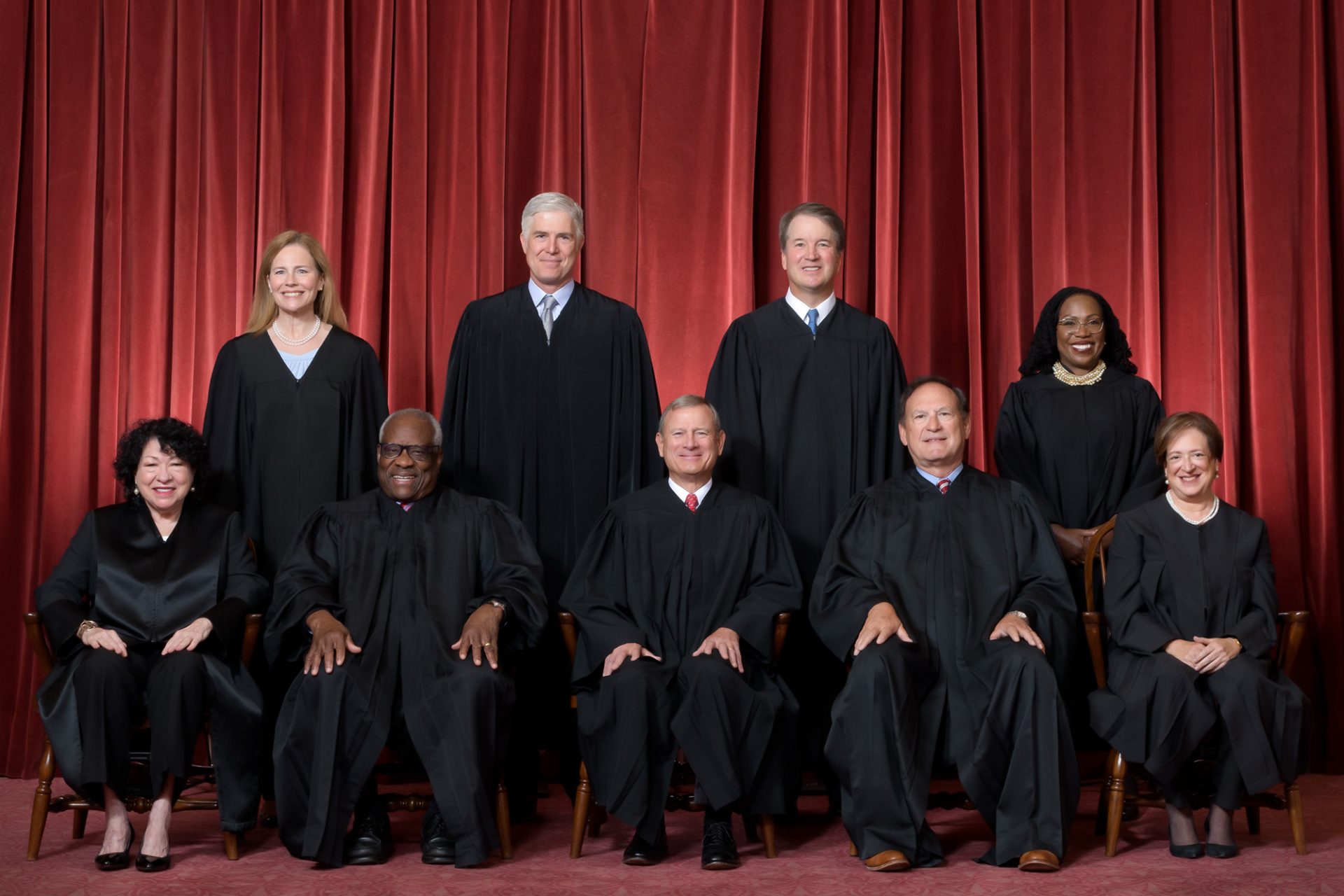
The problem for Americans—and for Republican candidates who want their votes—is that the bigger tax refunds have been largely offset by higher gas prices stemming from the U.S.-Israeli war with Iran and by Trump’s taxes on imported goods, which continue in a different form after the Supreme Court ruled Court ruled in February that the previous tariffs were illegal. A report by Democrats on the House and Senate’s Joint Economic Committee estimates that Trump’s tariffs cost the average American family more than $1,700 in his first year in office.
“The tax refunds that Americans are receiving this year are being eaten up by Trump’s tariffs,” Sen. Patty Murray, D-Wash., wrote April 15 on X. “Thanks to Republicans, billionaires get a kickback and you pay a Trump tariff tax.”
Recommended Articles
Taxes February 20, 2026
Supreme Court Strikes Down Trump Tariffs
While both parties are predictably spinning the law in their favor, nonpartisan tax policy experts say the reality is more mixed. William Gale, a senior fellow in economic studies at the Urban-Brookings Tax Policy Center, said the bill gave a tax break to most Americans, but its benefits aren’t evenly distributed.
“It cut taxes by a lot, and the tax cuts are distributed to higher-income, higher-wealth households,” said Gale, who worked for the White House’s Council of Economic Advisers under President George H.W. Bush. “The economy is being rocked by the tariffs and the oil prices, and whatever effect these tax cuts are having seems to be muted relative to that.”
The One Big Beautiful Bill Act, which Republicans have sought to rebrand as the Working Families Tax Cuts, extended a set of tax provisions that were set to expire at the end of 2025 after Republicans passed them at the start of Trump’s first term in 2017. Making those existing cuts permanent means taxes largely stayed the same, but GOP lawmakers say it creates certainty that will spur economic growth.
Sen. Mike Crapo of Idaho, the Republican who leads the Senate committee in charge of tax policy, said in a news conference April 15 that making business tax cuts permanent has “assured we will get capital formation, jobs, new businesses, new workers and higher wages in our economy.”
In addition to extending the existing tax cuts, GOP lawmakers added a handful of short-term cuts that benefit certain groups of Americans but are set to expire at the end of 2028, when Trump’s term comes to an end. Those measures include the ability for individual taxpayers to deduct up to $25,000 in tip income, up to $12,500 in overtime income and up to $6,000 in taxable income for seniors who receive Social Security payments.
Alex Durante, a senior economist at the Tax Foundation, a nonpartisan think tank, said the increase in tax refunds are likely driven by those new cuts that apply unevenly based on how people get their income.
“Most of the bill was aimed at preventing a tax increase,” Durante said, referring to extending the expiring tax cuts. “Of course, there were also new provisions that were included in the bill, and I think that is what has been getting a lot of attention, because it’s those new provisions that you would expect to be driving the tax refunds that everyone is paying so much attention to.”
Those cuts mean less revenue for a federal government that already had a budget deficit of about $1.8 trillion in the fiscal year that ended in September. A preliminary assessment of the bill’s impact that Gale’s team published in March estimates it will increase federal deficits by between $3.7 and $5.1 trillion over the next decade, adding to a national debt that now sits at about $39 trillion.
Crapo, one of the bill’s principal architects, has argued that its tax cuts will generate such dramatic economic growth that added revenue will make up for that borrowing in the long run. Gale said that is implausible, and even less likely if lawmakers extend the tax cuts that are set to expire at the end of 2028.
“I don’t think any serious analyst thinks that this is going to generate that kind of growth, sufficient to substantially dent the revenue loss,” he said.
Rep. Adam Smith, D-Bellevue, conceded that Democrats have also added to the national debt but compared the GOP bill to “buying a beach house in Maui on the same day you decide to quit your job and reduce your income to zero.”
“Of the many horrible, horrible, horrible things that the Trump administration is doing, the utter fiscal catastrophe that they are accelerating doesn’t get as much attention as it should,” Smith said in an interview Thursday. “We don’t have a great record on that either, but we are nowhere near as spectacularly hypocritical as the Republicans.”
Democrats point out that the GOP bill distributes its benefits unevenly, with most of the biggest tax cuts going to the highest-income Americans and large companies. That effect is more pronounced when factoring in the cuts to Medicaid and food assistance that Republicans included in the bill to partially offset the cost of the tax cuts.
The nonpartisan Congressional Budget Office projected in August that from 2026 to 2034, the lowest-income 20% of earners will see a net loss in resources—taxes combined with lost medical and food benefits—while resources for the top 10% of earners will rise by $13,600 per year. Durante said that effect is largely due to the fact that the lowest-income Americans already pay no federal income tax, so further tax cuts don’t benefit them.
“You can’t cut below zero, so you either trim back the credits or other assistance programs,” he said. “That was why they ended up putting a lot of these new provisions in the bill, because they wanted to kind of smooth out those impacts at the bottom.”
To maximize the bill’s short-term political benefit, delay its downsides and reduce its overall cost, Republicans crafted the temporary tax cuts to take effect immediately but expire in 2028, while the cuts to Medicaid wouldn’t take full effect until 2029. That means the bill’s impact on low-income Americans would be worse immediately after Trump leaves office, unless Congress changes the law, which could result in even more debt.
Durante said both parties are guilty of making unrealistic promises about their preferred policies spurring economic growth while they pile up more debt. The long-term effects of that growing debt, Gale said, will be higher interest rates and slower economic growth.
On Tuesday, Senate Republicans released a budget resolution that begins the process the party used to pass the One Big Beautiful Bill Act in 2025. This year, GOP leaders say they will use the legislation to fund immigration enforcement agencies, which Democrats have refused to fund unless the Trump administration agrees to reform the conduct of immigration agents who have killed U.S. citizens during an aggressive deportation campaign.
Photo caption: President Donald Trump, joined by Republican lawmakers, signs the One Big Beautiful Bill Act into law during an Independence Day military family picnic on the South Lawn of the White House on July 4, 2025, in Washington, D.C. (Samuel Corum/Getty Images/TNS)
______
© 2026 The Spokesman-Review (Spokane, Wash.). Visit www.spokesman.com. Distributed by Tribune Content Agency LLC.
Sign in to get access to this free resource, and all of our whitepapers and reports.

Download this content today!
Register Now Already registered? Click here to Log In