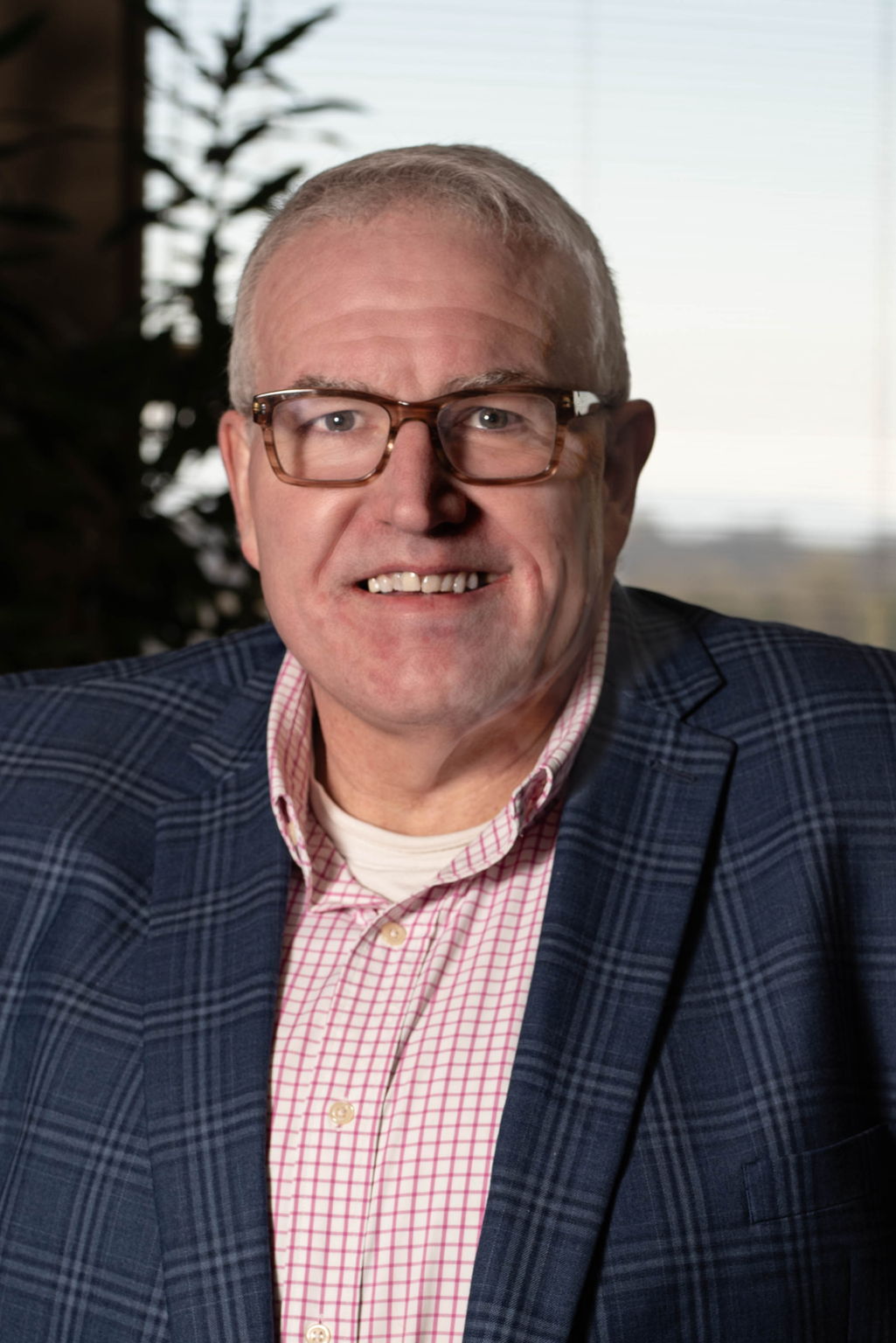
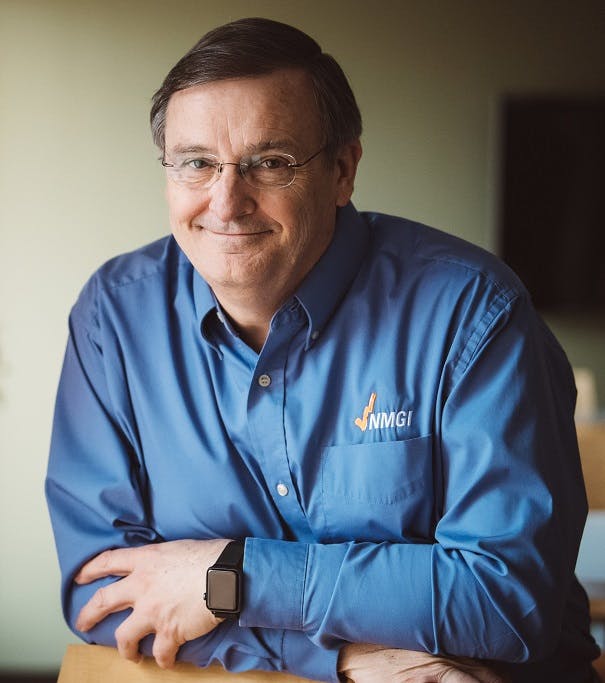




In this episode of the Accounting Technology Lab, Randy Johnston and Brian Tankersley welcome Donny Shimamoto of the Center for Accounting Transformation and high school student Arpan Grewal to discuss one of the accounting profession’s most urgent challenges: recruiting the next generation of talent.
The Accounting Tech Lab is an ongoing series that explores the intersection of public accounting and technology.
View the video below:
==
SPEAKERS
Randy Johnston, Speaker 1, Arpan Grewal, Donny Shimamoto, Brian F. Tankersley, CPA.CITP, CGMA
Brian F. Tankersley, CPA.CITP, CGMA 00:00
Welcome to the accounting Technology Lab. Brought to you by CPA practice advisor, with your host, Randy Johnston and Brian Tankersley.
Randy Johnston 00:09
Welcome to the accounting Technology Lab. I’m Randy Johnston with my co host, Brian Tankersley, and we are so excited today to have a couple of guests, Donnie Shimamoto from the center of accounting transformation, and a student, arpen gray wall, who is also going to comment. Now, as it turns out, friends, you know that we have a staffing slash talent slash pipeline problem in the profession, and we have had prior discussions about this, you know, ability to get talent for the profession, and to me, it’s one of the most exciting careers that one can choose. And you can do so much good for so many people. Whether you’re a public practice, CPA or an industry CPA, both have great attraction to me. Now, most of you know I read lots of different things. Some people would say weird stuff. But you know, Brian knows that my orchard is now planted, and I just finished reading my new master orchard guide. So my family’s trying to make sure I’m growing the orchard correctly, and I ran into a little fact about our human bodies that I should have known and didn’t. Everything is connected together with the thing known as the interstitium. And it turns out, the interstitium is completely throughout our bodies. It’s all of our cells, it’s our skins, it’s all our internal organs. Everything’s there, kind of like another circulatory system, and when our heart beats, the interstitium pumps this through and you might have seen some of those television advertisements where they’re trying to sell hyaluronic acid to make you know your face look better, and all that stuff. Well, it turns out the interstitium is made up of a bunch of hyaluronic acid that’s pumped throughout our bodies. Now this wasn’t discovered until 2018 and it’s 20% of our body weight. And when I was thinking about how fascinating our bodies are in this, it dawned on me that accountants are the interspersion of business. They connect business together. They feed it. They’re the invisible force behind success, and that is true whether that accountant is in public practice or whether they’re in industry. And see, I know many of you got into accounting because you really wanted to make a difference in businesses, and you’ve been successful at that. So Donnie, Brian and I were all at the thought leaders event, which we’ve recorded in a separate accounting Technology Lab, so you can learn about what happened in Dallas. But we’re chatting with Donnie, and he says, Hey, I’ve got this new initiative. And he explained it to me, and I said, oh my, that’s my, you know, acquaintance George decay from Star Trek, would say, oh my. I said, people need to know about that. So Donnie, would you mind joining us? And he said, Yeah, but he said, I’d like to bring along a guest. So Arpin, that’s the reason that we have all that. So that’s a lot of setup, friends, but I wanted you to get it. So Donnie, what should we know about this initiative that you’re involved with.
Donny Shiamoto 03:22
I got a first comment on this interstitial one. I love that. I love that because we know I’m pretty geeky and nerdy myself, but I did not know that, but I completely agree with you on the whole as accountants, we are the inner, I guess we are the interstitial of success, because that’s always what I felt our job was is to help people or businesses be successful. And this is, I think, where part of what students don’t realize, and even I think practitioners often don’t realize, is that’s really what our job is. People think it’s the tax return, the bookkeeping, the audit report, but really, what we’re trying to do is help people be successful. And so this is part of, I think, a broader initiative or call within the profession, because we’ve also been talking for years about how our profession is perceived as boring, how it is seen as like you just do this thing and you sit at a desk all day, but they don’t realize that when you’re actually, and I’m going to call it a successful practitioner, what you’re really doing is you’re out there working with clients. So whether the client is an external client, or if you’re a controller, CFO, it’s internal clients. You’re there talking to people, helping people make these decisions, that creates the success,
Randy Johnston 04:46
you know, and on that point, when you think about a lot of people are so focused on compliance with tax and audit, and I really consider a lot of client accounting services in that same ilk today, but that’s why. I I’ve been a proponent of advisory for so long because I believe that is actually what many accountants got into the profession to do, is to really help people. And so as I’ve been watching the transition, what I know is when students enter the profession, they want to be able to fall into and be involved with advisory roles even sooner, which is why in other accounting labs, we’ve talked about some of the advisory tools in the marketplace and how we can take well, in the old days, I used to think you had to have a lot of gray hair like Brian and I, and know how to dial phones and use 13 column pads to be able to do advisory that didn’t. That isn’t so that this granddaughter in New York says that not be the plan, grandpa, that is not the plan. All right, so the plan here is actually quite different, and I believe that we’re getting assistance with automation, and there’s fear of automation displacing accountants. And again, I don’t see that at all. I see it automation enabling accounts. Ai enabling accounts be such a different deal.
Donny Shimamoto 06:05
Completely agree, and that’s where it was interesting for us to have Arpin join our team. So Arpin is a high school student. She’s in her senior year in Indianapolis, and actually, Arpin, I think you should tell your story of how what your impression of the profession was before you joined us, and what you’ve come to learn about the profession as you’ve worked with our team and our friend. Our friend works with our actually with our marketing team, so it’s all about positioning, and she’s also one of the leads of our student led conversations podcast. So if anyone wants something else to listen to come listen to that podcast. Arfa,
Randy Johnston 06:43
yeah. So, yeah, darn if I’d known that we’d have gone to Indianapolis and gone to st elmo’s And that shrimp there. I
Randy Johnston 06:50
mean, come
Randy Johnston 06:52
on so ARP and welcome.
Arpan Grewal 06:55
Thank you. Yeah. So, originally I did not like anything about accounting at all. I think it was during my sophomore year of high school when I first met the Center for accounting transformation and got in talks with my manager about joining the team. And I was like, this is not the right place for me. I don’t like accounting. I don’t like the perspective it has, and it just seems like it’s just not the right fit for me as someone who’s really creative and into careers and advocacy and especially entrepreneurship. It just kind of seemed like it’d be something that’d be really limitating, and just I’d be stuck in one like position for a really long time. And the more and more I got into the profession and working for the center, I truly realized that accounting is not what it looks like, and it’s not the exact profession it was in, what like 2005 it’s not just sitting at your desk all day crunching numbers, and I think it is also the media and schools fault for positioning it that way and not, you know, changing the image for students to really want to go into it. They don’t understand that accounting truly is a huge Launchpad career, especially for those students that are interested in getting into careers in finance or business and startups. And they don’t really understand how many possibilities are in it besides being a CPA.
Randy Johnston 08:20
Well, that’s a fascinating explanation of it, because what I’ve claimed for years, and it is true when I explain the profession to other people, if you are a CPA and accounting trained, many of the upper roles in industry, businesses, CEO, CFO, VP of Finance and so forth. A lot of those roles are actually CPAs, and it is a wonderful Launchpad. And although I hate to have it happen in the profession, many who are in industry came through public accounting and were recruited away by industry businesses. But then we have CPAs who go into industry businesses and say, you know, this is interesting, but I enjoyed my work in public practice more because I got to deal with so many more clients. So I guess, Brian, you stay away from that green eyeshadow eyeshade. I saw you reaching over there to see if you could pull it on. But you know, so urban on that front, what made you think about things differently, because you had this perception, and then it changed. Why did it change?
Speaker 1 09:28
I think it was just, you know, especially just going to the center, they really put a huge focus on promoting different accountants and people in the industry, and just especially through the student led conversations, podcast, hearing their back stories, hearing the work they’ve done, you really realize that there is so much opportunity that has been given to these people. I mean, half of these people are advocates for multiple places. They’re environmental advocates, political advocates, and it really is purpose driven work as. As much as it looks like it’s just, you know, numbers, finance, all that stuff, there is passion that goes through it, and purpose that goes through it as well. And there is opportunities to have your own personal branding, and that is something that the new generation is looking for and wants to seek in professions. So seeing that accounting is really changing itself right now and welcoming the new generation and our ideas and what we’re searching for. I think that truly means a lot to us.
Randy Johnston 10:28
Yeah, it makes beautiful sense to me. And as you’re talking about purpose, oddly enough, I was speaking to managing partners in Nashville this week, and my driver talked about purpose. It was fascinating, because, you know, sometimes you have those conversations with total strangers. And I was also smiling while you were explaining it Arpan, because many of the listeners know my daughter works on Broadway, and I was thinking about the Avenue Q song about purpose. And so, purpose such a big deal. And, you know, I really believe even if you get to retirement age, which many of the accountants are leaving the profession, you’ve got to have purpose even at that point. But it’s my belief that pretty much all students that I know, and I am around, a lot of high schoolers, as it turns out, they are looking for what their mission is going to be. And, you know, sometimes takes a while to find out what that’s going to be. So maybe I’ll get a little personal with you here. So this change where you’ve began to see what accountant might account he might do for you, what’s that tell you your future purpose might look like?
Speaker 1 11:41
I think it’s just giving you that backbone and starting point that we know is secure and has been secure for many decades now, and that there is so much personal growth that you can go through it and you can kind of find your own spot into it, whether you know you start at the start, and then you get into really a fast paced career or something that’s kind of, if you want to be stuck, you can be stuck, and kind of just grow in between that. And also, with the rise of technology and AI, we’ve seen that accounting is one of those few professions that is so welcoming of it, and is, you know, publicly saying, Hey, this is not taking our jobs. It’s not replacing us. It’s actually upgrading us accountants, and we’re welcoming it, and it’s creating this new idea behind what accounting can do and what the students coming into the profession can accomplish within their first, like, two, three years.
Randy Johnston 12:35
That makes great sense, so I’m going to put you a little on the spot, and for the listeners, they need to know this is not rehearsed as an answer, so yeah, again on the spot. But tell me one or two or three things that you specifically learned that you wouldn’t have learned if you wouldn’t have been involved with the Center for county transformation.
Speaker 1 12:54
I think one of the first things is that everyone starts somewhere else, and it’s completely okay to not know what you want to do 10 years down the line, or even what your passion is, as long as you start somewhere and like accounting and the center has given shown me that. I mean, I came in wanting to do marketing, and somehow I’m ending up going out majoring in entrepreneurship and Political Science next year, and you wouldn’t believe that accounting Well, working in accounting and working for a company that promotes accountants would have led me there. But you know, just seeing the passion and ambition and also the trials and errors that all of these people in the industry have gone through, and hearing their stories and how much they’re supporting me and high school students and really just driving us to, Hey, it’s okay. I know the world is moving fast, but just this career is going to give you, like, a good start into whatever you’re going to end up doing, and it’s okay if you don’t stay in accounting for the rest of your life, but it provides you that stable backbone that you need and that staple start to kind of dive into being your own person, and whatever your passion may be,
Randy Johnston 14:06
and that makes great sense. Now, a friend of all of us on the discussion today, Dr, Bob Spencer and I agreed on a particular point. We never want to grow up, so we know we’re changing all the time. So you’re right. It’s nice to have a great foundation that you can go whichever way you want. So, and let’s face it, we only get one life, therefore we need to live it to its fullest, and that doesn’t mean we’re going to do the same old thing over and over. So yeah, what a great foundation. So that’s one point. So have you got a second one that you learned?
Speaker 1 14:39
My second point would be that the older professionals and anyone like these big companies of how welcoming they actually are. I mean, on the outside it seems scary, like, Okay, you have to go through multiple internships. They want you to be post grad con. Connecting with them, but it’s just they want you to reach out. Reach out to these professionals, contact them, tell them how you’re feeling, what you’re doing in high school and or even in, like college already, and really listen to how their path has gone and how much they can actually help you. I mean, we see these big companies, and we can’t even imagine getting to that point at in our 20s, but that’s we see it quickly changing, especially on social media. We see these public figures receiving being on Forbes, 30 under 30, through accounting and other professions. So I think it’s just that how easily multiple generations can connect. Even though we’ve grown up differently, we’ve grown in different eras of technology and the world changing as well. So it’s just how welcoming everyone really is.
Randy Johnston 15:49
Yeah, and you know, to your point there, the AICPA did an extensive study over several years about the pipeline problem, and they knew that one of the things that all of our listening professionals today need to be doing is being involved in their communities to actually talk. And they really recommended going into high schools and colleges and so forth to be we’ll call it missionaries, but ambassadors for the profession might have been a better word. So, and you’re right. Most accountants that I know are just really fine people, and they’re, you know, they’re, they are conservative, generally, I get that. And they’re maybe a little more introverted. In general, I get that. But once you begin talking with them, you say, wow, these are really fine people, and they’re willing to share their knowledge very rarely do we have them being possessive and all that stuff that you often would associate it if you’re on the outside looking in, because you just can’t see that. So those are a couple of really good points. Now I’ve been jeopardizing the conversation today. I’m sorry about that. So Brian, I know you usually have more insightful questions that I ask because of your background, but what do you think Arpin might be able to answer for you?
Brian F. Tankersley, CPA.CITP, CGMA 17:08
So Arpin, tell tell us about some of the experiences that you’ve been able to have since you’ve been engaged with CIT and kind of some of the things you know, some of the experiences you’ve had that have really been transformative for you and helped you, you know, helped you embrace accounting more.
Speaker 1 17:27
Yeah, I think one of the most defiant experiences I’ve had was the first podcast I ever done with Donnie Liz Mason and Brian Patrick, just sitting down with them, and as a high school student, being able to interview these three professionals. It’s not a typical thing that many high school students have the opportunity to do, and just hearing about their stories and them answering my questions and being so welcoming to really having me find my own purpose in this career has been really transformative, and then also having their support to change what accounting is and really show students how much it how different has gotten it in the past 10 years. And that’s the whole reason why we created the student ambassador program. It was just to, you know, bridge the industry and the students in a really easy, simple way that doesn’t seem scary, it doesn’t seem daunting, it doesn’t seem like the super long process, and just giving a bunch of opportunities for students to build something that’s real, that’s something that they can actively participate in, and that’s something that can change over time. It doesn’t just stay in one position. I mean, it could change every year. It could change every couple months, just like how the profession already is,
Randy Johnston 18:41
makes great sense. So while you’re speaking on that, and I’m trying to listen to your answer, this might be a Donny question. It might be a you question. So how do people get involved with the Center for accounting transformation,
Speaker 1 18:57
Donnie, if you want to start off with that, and I
Randy Johnston 18:59
can
Randy Johnston 19:00
Okay,
Donny Shimamoto 19:01
I
Randy Johnston 19:01
was
Donny Shimamoto 19:02
waiting for you to answer for the center itself. It’s really come check out the resources. So what our objective has been in part of the reason I started the center was, yeah, all of us, I say all of us, Brian Randy, all of us that speak on the circuit. All have been telling people, you need to change, you need to do this, you need to do that. And what I kept hearing back was no one’s teaching us how, and especially with small and mid size practices and small and midsize companies, no, no one was giving them the how, because most of the consultants work with these large companies, because they’re the ones that can afford, can afford us directly. So through the center, what we’ve done is we’ve tried to gather different content and materials to really provide the how for the small and mid size. And a lot of what we’ve done is sort of a do it yourself, type of a toolkit where we also have things where we call it a guided so. We don’t have to do everything, but we’ll help you with the planning. We’ll get you set up, and then if you need help, we’ll put you with the right other consultants to work with that makes sense for your size and your budget. So first would just be, come check out the resources we’ve got. Our URL is W dot improve the world.net, so come check out what we’ve got there. It’s classes content. We’ve got some of the podcasts there. But, you know, Randy, you, you mentioned earlier about professionals going and being ambassadors out to the students. So we’ve actually taken that to the next level. Or I’m going to say we’re going to, because Arvin actually has is creating with us the student ambassador program, where we’re having students go and be ambassadors to other students, as Arpin has described today, because she uncovered, unlocked this potential that’s within our profession, and she wants to share the word so Arvin, let me Turn it to you for how to get for that.
Randy Johnston 21:03
Yeah, in fact, peer recommendations are clearly strong. So yeah, that’s smarter, better than professionals going out, you know,
Randy Johnston 21:11
exactly trying
Randy Johnston 21:12
to convince you. So,
Speaker 1 21:13
yeah, well, exactly what you just said. That was exactly the reason why I wanted to create the student ambassador program, because US students, we trust other students more than we trust these programs and these other institutions that are all adult run. I mean, no offense, but I would assume that you guys know nothing about what the high school generation is actively thinking right now or what they’re actually searching for in programs based on our schedules and what we want to pursue in our passions. So it was really just changing the perception of accounting and making all of these positions and opportunities available through a peer driven ecosystem. So this program creates kind of entry points, instead of barriers in the profession, we’re exposed. We’re creating early exposure to industry conversations, we’re allowing students to actually build the platform with each other, so that’s going to include like community chats, gamify learning experiences and even mentorship services. And as well as just crafting that community without feel safe, you can ask any questions, share any resources, all in one simple place, so you don’t have to go through a million LinkedIn searches or go scrolling on Tiktok to find programs that are actually real, that work and that have been peer reviewed. And it really just makes the professions of accounting, business and finance, feel more accessible and equal to the students.
Randy Johnston 22:38
Beautiful explanation, because being able to operate in a safe space makes great sense. And again, I’m listening to you, and you’re bringing up old home week for me, because one of my favorite old historic posters was a picture of Albert Einstein, and it was very simple, don’t trust anyone over 30, crossed out, 40, crossed out, 50, crossed out, 60 crossed out. I do get it because, you know, you just don’t know. And by the way, listeners, this is true on lots of other fronts. As we’ve warned you, in other technology labs, there’s a lot of what I would call false information being promoted by a lot of the publishers the profession. They’re just not saying things that are factual. And it sounds like you’ve got a nice factual reference point here, which is beautiful. Well, do you have final thoughts, things that you wouldn’t want our listeners to miss? Arpan,
Speaker 1 23:37
I would say, to really invest in students now, in the next generation, before we get taken by other professions early on, because the schools now, they’re not really advocating for the accounting profession as much as I think they should be. So just it’s the accounting firms and these professionals jobs now to advocate for it and really take those students in and show them the possibility of what the profession truly has. I mean, right now, we are looking for students who want to be in the Student Ambassador Program, as well as professionals or firms who also want to take part in it, of it and invest in it. Now we do have a link in a QR code that we could share with you guys to include in the podcast, but I would just say we’re here to fix that gap and create a bridge between the professions and the students now, and I’m so glad that I get to be a part of it.
Randy Johnston 24:29
Yeah, it makes great sense, because I hate to see talent go to engineering, physicians, law brokers on Wall Street and so forth along the way, because the accounting profession can actually be so much more rewarding and, frankly, provide a lot better work life balance done right? So Donnie other parting thoughts from your side.
Donny Shimamoto 24:53
I’m just going to echo orphan’s call there, and actually the link is help dot improve. Improve the world.net/invest. In students with dashes. Invest dash in that students. And this is actually a tax deductible donation, so we’re partnering with a nonprofit to do that Arpin. And actually craziness, Arpin and her friends have already raised $1,000 to help their programs. But we, of course, want to expand this. Our hope in the fall is to expand this to multiple schools, multiple states, and so again, if this is something that any of the listeners are passionate about, come invest in our students and in our students program. And you can tell we’ve got a great leader lining stuff up.
Randy Johnston 25:38
Yeah, sounds wonderful and beautiful. Well, Donnie and Arvin, I can’t thank you more anymore for being here today, and I hope you make a wonderful difference in your own personal life, as well as the profession as a whole. It certainly sounds like the promise is great friends, we appreciate you being with us on today’s accounting Technology Lab. We’ll be with you again in the near future. Good day.
Brian F. Tankersley, CPA.CITP, CGMA 26:06 Thank you for sharing your time with us. We’ll be back next Saturday with a new episode of the technology lab from CPA..
= END =
Sign in to get access to this free resource, and all of our whitepapers and reports.

Download this content today!
Register Now Already registered? Click here to Log In