

Key Takeaways
- Business email compromise (BEC) caused about $3 billion in reported losses in 2025, and most of it moved by wire transfer.
- CPA firms are exposed through client refunds, payroll changes, and vendor payments.
- A written rule, call-back verification, and two-person approval address the most common failure points.
- Technical controls such as multifactor authentication support the process. They don’t replace it.
Here is a reliable way to lose a client’s refund: receive an email that appears to come from a partner or a client, trust the signature, and change the bank account. Accountants are trained to be precise, and criminals know it. They count on that precision being aimed at the wrong question. “Does this look right?” is easy to answer. “Is this person real?” takes a phone call.
Why Firms Are a Favorite Target
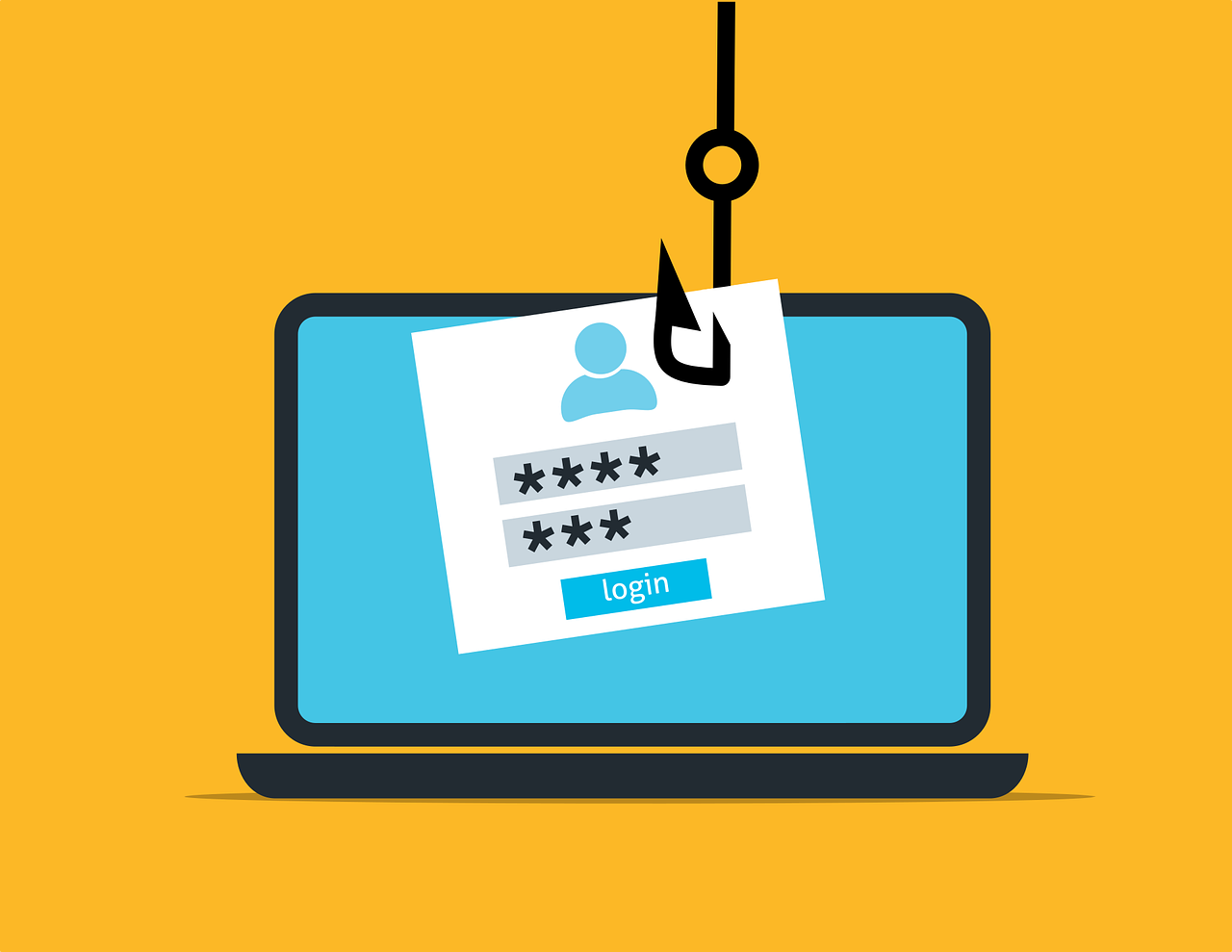
BEC happens when a criminal poses as someone you trust to redirect money. The FBI’s 2025 Internet Crime Report ranked BEC the second-costliest crime type, with $3.04 billion lost in 2025, up from $2.77 billion the year before. Wire transfers made up the bulk of BEC losses. The FBI also began tracking AI-related complaints in that report, a reminder that fraudulent emails are now easier to polish than ever. fbi internet crime report 2025 +2
Recommended Articles

Technology November 9, 2026
How to Get Breached, Step 6: Share Files However is Fastest

Technology November 2, 2026
How to Get Breached, Step 5: Paste Client Data Into Any AI
Your firm sits at the center of three high-value money flows: client refunds, payroll, and vendor payments. A compromised mailbox can also expose client financial records. That raises data-protection questions, including obligations under the FTC Safeguards Rule for tax preparers and other firms that handle client financial information.
Two schemes appear most often:
- Redirected client refunds: A “client” writes from an address that looks right, says they changed banks, and asks that a refund or distribution go to a new account.
- Payroll diversion: An “employee” asks HR or the office manager to update direct deposit details before the next pay run.
A Hypothetical Scenario
Imagine a made-up six-person CPA firm in the middle of busy season. A message arrives from a client’s usual address, asking that an $18,400 refund go to a new account because the client switched banks. The same morning, an email “from” a staff accountant asks the office manager to update direct deposit before Friday’s payroll. Both are brief and plausible, and everyone is swamped. With no verification step, both go through. The client and the employee find out when the money doesn’t arrive.
What to Do Instead
For the managing partner:
- Make it policy. No refund destination, direct deposit, or payee detail changes by email alone.
- Verify by call-back. Phone the client or employee at a number already in your file, never one in the request. Be careful with unexpected inbound calls too. Fraudsters may call first, knowing a callback is part of your controls. jpmorgan
- Use two-person approval for changes to payment destinations and for payments above a set amount.
- Hold first payments. Mandatory cooling-off periods before changes take effect give verification time to work. For payroll, set a cutoff for changes ahead of each pay run. usbank
- Let staff say no. Tell your team in writing that verifying a request is expected, even when it appears to come from a partner.
- Know your response plan. If money moves, call your bank immediately and report it at ic3.gov. Speed matters. guptadeepak
For whoever manages your IT:
- Require multifactor authentication on every mailbox and client portal, and disable legacy sign-in methods.
- Alert on new inbox rules and automatic forwarding, common signs of a hijacked mailbox.
- Configure SPF, DKIM, and DMARC, and flag external email that mimics partner or staff names.
- Review sign-in logs for unusual locations and watch for lookalike domains.
Questions Your Clients May Ask
Q: Why did you call me about my refund instructions?
A: Criminals impersonate clients to redirect refunds. We confirm any change by phone, using the number in your file, before a dollar moves.
Q: Will you ever email me asking to change where my refund goes?
A: No. We don’t accept or request payment changes by email alone, and you should treat any message claiming otherwise as suspect.
Q: Is my financial information safe in your email?
A: We limit what travels by email, protect mailboxes with multifactor authentication, and monitor for suspicious activity.
Q: What if a payment already went to the wrong account?
A: Contact your bank immediately and report it at ic3.gov. Then tell us, so we can check for a compromised mailbox.
The Bottom Line
BEC succeeds less because of clever technology than because of a missing checkpoint. A firm that writes down its rules, verifies changes by phone, and tells staff they have permission to pause removes the conditions criminals rely on. The cost is a few minutes per change. The alternative is explaining to a client why their refund went somewhere else.
ABOUT THE AUTHOR:

Scott Carr, owner of Farmhouse Networking in Grants Pass, Oregon, is a veteran Network & Computer Systems Architect with over 30 years of IT experience. For over a decade, he’s led his team in delivering proactive, secure, and fully managed IT services to more than 80 businesses—including accounting and finance firms that rely on data security, compliance, and efficiency. Scott’s hands-on, jargon-free approach ensures every client understands their technology and gains confidence in their systems. His firm is known for fast, responsive support—most issues are resolved within 15 minutes—and deep expertise in cybersecurity, network design, and IT compliance. Learn more about how Farmhouse Networking supports the accounting industry at https://www.farmhousenetworking.com/finance-it-support/.
Sign in to get access to this free resource, and all of our whitepapers and reports.

Download this content today!
Register Now Already registered? Click here to Log In