

By Nick Coltrain
The Denver Post
(TNS)
Coloradans face a slew of tax questions on their ballot this year—some with obvious interconnections, and others not so clear. Depending on which ones pass, they could reshape the state’s tax code significantly.
For more than three decades, Colorado fiscal policy has been governed by the voter-approved Taxpayer’s Bill of Rights, or TABOR. The constitutional amendment requires a vote of the people to raise taxes, caps how much money Colorado government can keep and spend without voter approval, and requires any collections over that cap to be refunded to voters. It also requires a flat income tax rate, meaning all Coloradans pay the same percentage of their taxable income.
The four tax proposals in the Nov. 3 state election—Amendment 87 and propositions NN, 136 and 137—fall in two general buckets: Allowing the state to keep more money or directly changing the income tax rate.
Recommended Articles

Amendment 87 and Proposition 136, which were placed on the ballot by warring liberal and conservative groups, both ask voters to weigh in on the question of the income tax rate; Proposition NN, which was referred by the legislature, and Proposition 137, an outside initiative, both ask voters to let the state keep and spend more money.
Here’s how they’d interact with each other, depending on voters’ ultimate decisions.
Income tax changes
Amendment 87 and Proposition 136 are the two ballot measures most directly at odds with each other. Amendment 87, backed by the Bell Policy Center and other progressive groups, would replace Colorado’s flat income tax—now 4.4%—with a graduated tax rate similar to the marginal tax rate schedules the federal government uses.
It would tax lower incomes at a reduced rate, while gradually ratcheting up to tax income above higher thresholds at a higher rate. So the first $25,000 any person makes in taxable income would be taxed at 3.7%, while the very wealthy would pay 8.4% on every dollar earned beyond $1 million, with several other income tiers and tax rates in between. Only income above $500,000 would be subject to a tax rate higher than the current 4.4%.
The money generated by that net tax increase—estimated at $2 billion or so in the first year—would go to increase funding for healthcare, education and childcare.
Proposition 136, backed by Advance Colorado, asks voters to reiterate their commitment to a low overall tax rate. It would change state law to cap income tax rates at 4.4%, the current rate. That change would have minimal effect, since TABOR already requires a vote of the people to increase the tax rate.
However, the proposition represents another avenue to attack Amendment 87.
Under state law, if two measures are at odds and both pass, then the one that wins more votes generally goes into effect. In short, that means Amendment 87 would need to both win majority support from voters and surpass Proposition 136 in total votes to go into effect.
If both pass but Proposition 136 wins more votes, the fight would almost certainly end up in court as the legislature and tax administrators seek to make sense of voters’ intent. Questions would likely include whether Proposition 136 fully supersedes the amendment, or if portions of the graduated income tax would be allowed to go into effect, such as a lower rate for lower incomes, while prohibiting the higher rates.
Changes to the TABOR cap
Proposition NN and Proposition 137, in different ways, ask voters to let the state keep more money than it already collects and spend the extra revenue on specific things. Neither would create new taxes or directly increase tax rates.
Under TABOR, state revenue is subject to a growth cap, which takes into account inflation and population growth and requires money collected over that cap to be refunded to taxpayers. Proposition NN, the measure placed by state lawmakers, would raise the TABOR cap to an amount equal to how much the state spends on education funding—potentially freeing up billions of dollars, in theory, but in practice letting the state keep an estimated $500 million that would otherwise be refunded to Coloradans.
Proposition 137, which is backed by a coalition of large environmental groups, would exempt state sales taxes collected from the purchase and rental of sporting goods from the TABOR cap. This comes out to an estimated $175 million that would, instead of being directly refunded, go toward specific conservation and wildfire prevention programs.
These two proposals also interact with each other: If 137 passes, it reduces the amount of money that goes over the TABOR cap, eating into the total funds that will then be available for education under NN.
What about tax refunds and tax credits?
If Amendment 87 passes and implements the graduated income tax, it actually wouldn’t affect Colorado’s TABOR refunds—at least not those that are sent out now.
The state would still calculate the TABOR revenue cap based on the current formula. However, new money raised by Amendment 87’s changes would be exempt from the cap. That new tax money would be set aside in a separate pool that the state can keep and spend.
But existing tax revenue that’s otherwise collected over the current cap would go back to the TABOR refund pool—though that money could then be subject to Prop NN’s mandate to let the state keep and spend money over the cap, should both pass. Income taxes make up a notable chunk of the state’s general fund budget, but sales taxes, fees and other non-TABOR-exempt revenue all count toward the TABOR cap.
Besides refunds, there’s also been worry about impact on tax credits. The legislature in 2024 passed the Family Affordability Tax Credit and expanded the state’s match of the Earned Income Tax Credit. The two credits are dependent on the TABOR cap, but not directly tied to it.
Instead, they are both triggered based on how fast the state’s tax base is growing. If the tax revenue subject to TABOR does not grow at a certain rate, the credits do not go into effect for a given year.
In practice, and as designed, it means the credits only turn on when there is a substantial TABOR surplus, even though they are triggered by an underlying number.
Neither Prop NN nor Amendment 87 would directly affect the growth rate of TABOR-subject revenue, so neither would directly affect when those tax credits turn on or off. Even though both proposals would affect how much money the state can keep, neither changes the underlying formula for calculating TABOR revenue.
Prop 137, however, would. It would exempt a chunk of money that the state already collects from TABOR, which means there would be less money used to calculate the average growth rate. However, proponents of the measure wrote in an exemption where 137, in effect, turns itself off if it were to reduce the growth rate to such a degree that it would affect the availability of the tax credits.
However, the proposals do leave open how the state would pay for the tax credits. In the credits’ brief history, they have been paid for by refunding money the state collects. If the state has less money it must refund, then the legislature will have to choose whether to prioritize the credits against other potential uses of the money.
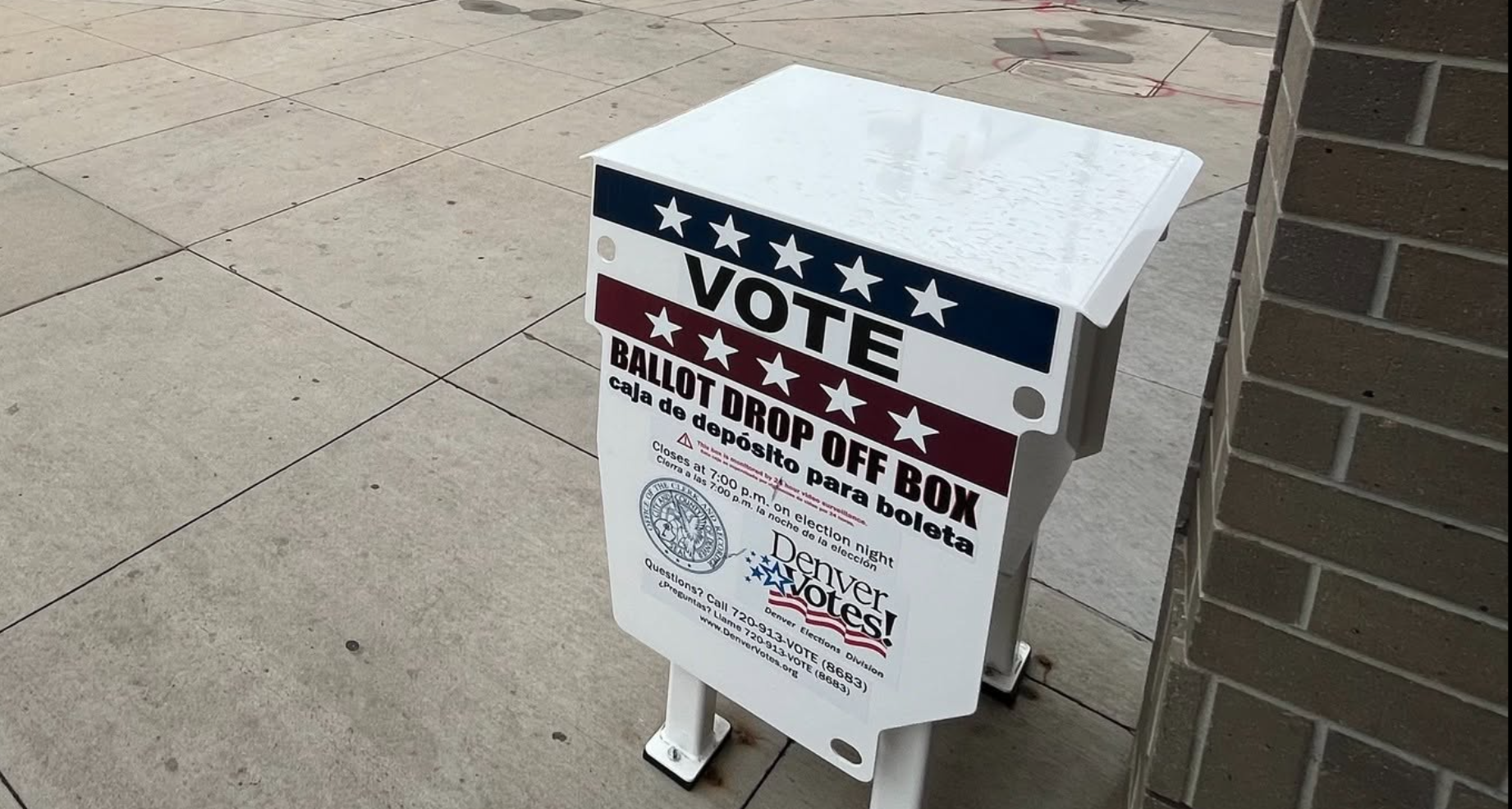
Photo credit: Denver Elections/Facebook
_______
©2026 MediaNews Group Inc. Visit at denverpost.com. Distributed by Tribune Content Agency LLC.
Sign in to get access to this free resource, and all of our whitepapers and reports.

Download this content today!
Register Now Already registered? Click here to Log In