



By Sabrina Eaton
cleveland.com
(TNS)
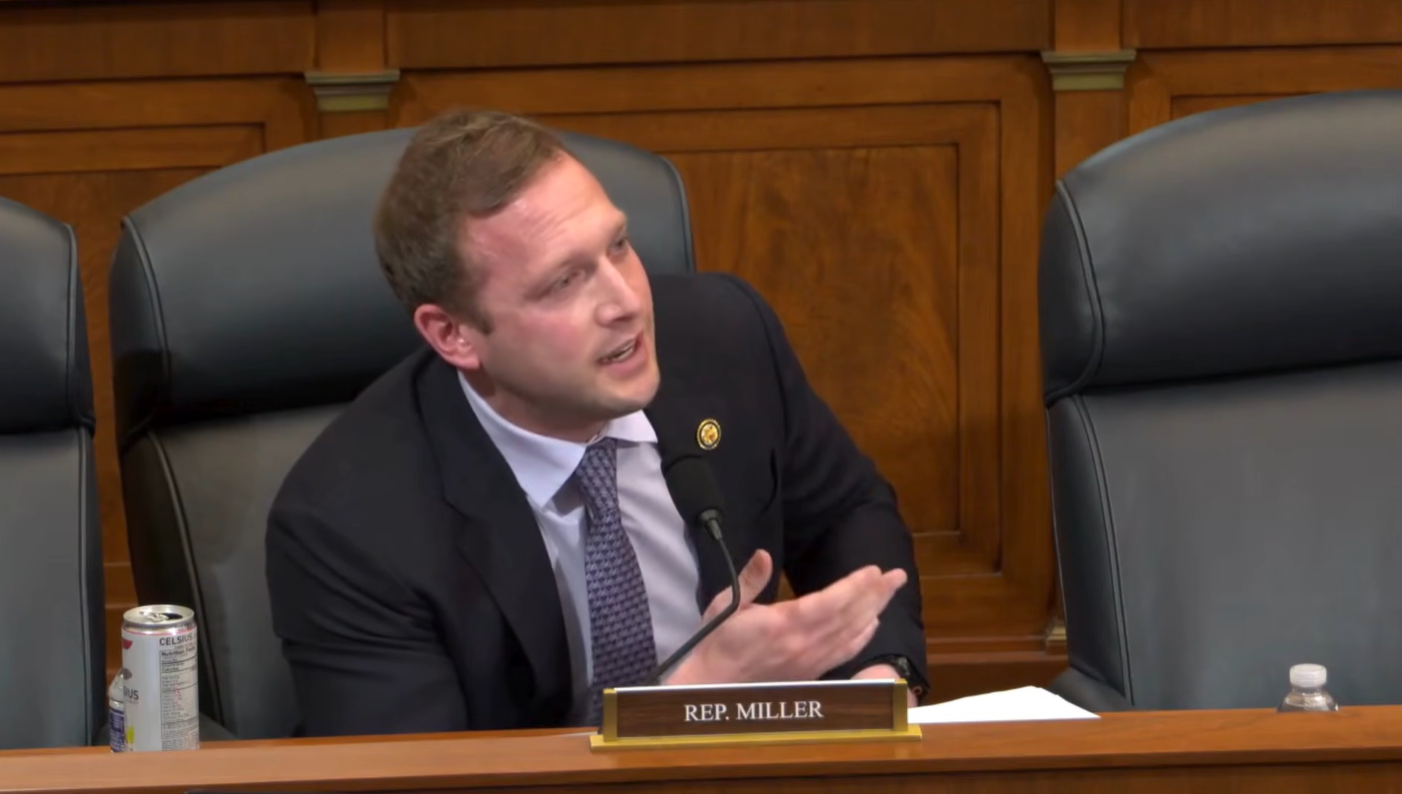
(Sept. 16) WASHINGTON — Americans would be able to deduct money lost to fraud and scams from their federal taxes under a bill by U.S. Rep. Max Miller that passed Tuesday in the House of Representatives.
The Bay Village Republican’s bipartisan bill, the Tax Relief for Fraud Victims Act, scraps a current rule limiting the personal casualty loss deduction to federally or state-declared disasters. It was adopted by a 408 to 17 margin.
“Americans who fall victim to fraud have already suffered enough,” Miller said in a statement. “The last thing they need is for the federal government to tax money that was stolen from them.”
His proposal would also let fraud victims choose to claim the theft loss deduction in the year the theft happened rather than the year they discovered it. It extends the deadline for filing a refund claim tied to that deduction to at least one year after the victim discovers the loss and removes certain caps on the refund amount.
For victims who pulled money from a retirement account after being defrauded, the bill waives the 10% early withdrawal penalty. It also gives victims a year after discovering the theft to repay the money without tax consequences.
Miller introduced legislation alongside New York Democratic Rep. Tom Suozzi. The House Ways and Means Committee approved it July 2.
Ways and Means Chairman Jason Smith, a Missouri Republican, also backed the bill. A statement from Smith said taxpayers who are trying to recover after being victimized by fraudsters “need all the relief they can get,” and applauded Miller for “his focus on ensuring taxpayers get the relief they need.”
“Historically, the IRS has helped grant some of that relief by giving individuals the ability to deduct their losses, so their tax liability better reflects their personal financial reality,” said a statement from Smith. “Unfortunately, current law imposes restrictions on what qualifies as a loss and needlessly harms fraud victims who are simply trying to rebuild their finances.”
The bill must also be approved by the U.S. Senate to become law.
The vote gives Miller a tangible legislative win as he fights to win re-election while facing domestic violence allegations from his ex-wife, Emily Moreno, that have drawn a House Ethics Committee investigation and calls from fellow Republicans for him to drop out.
Cook Political Report and Sabato’s Crystal Ball have both rated his race against Democrat Brian Poindexter a “toss up.” Miller has pointed to federal funding he’s brought to the district and his support for Ukraine as reasons voters should look past the allegations, which he denies.
Photo credit: Congressman Max Miller/YouTube
______
©2026 Advance Local Media LLC. Visit cleveland.com. Distributed by Tribune Content Agency LLC.
Sign in to get access to this free resource, and all of our whitepapers and reports.

Download this content today!
Register Now Already registered? Click here to Log In
Tags: Congress, deductions, fraud, Income Taxes, Legislation, Max Miller, scams, tax deduction, tax deductions, tax relief, Taxes