



By Kurt Erickson
St. Louis Post-Dispatch
(TNS)
JEFFERSON CITY — Supporters of phasing out the state income tax and replacing it with a broader tax on sales and services are not saying what new items would be taxed and how much higher sales taxes might rise if voters approve the proposal on the Aug. 4 primary ballot.
In response to questions from the Post-Dispatch, the Missouri Promise political action committee did not provide a requested list of possible tax changes that would have to be made by the General Assembly to replace the billions of dollars generated by the state’s 4.7% tax on individual income.
Instead, the PAC sent answers to the newspaper from Rep. Bishop Davidson, R-Republic, who sponsored Amendment 5 in the House this spring.
Asked for a list of new taxes and projected revenue for each, Davidson said, “Currently, income taxes are on everything. Every good, service, and essential is more expensive because of income taxes. Some things are being double taxed because they also have a sales tax on them.
“We would like for nothing in the economy to have more than one tax levied on it and essentials to have no taxes whatsoever,” Davidson said.
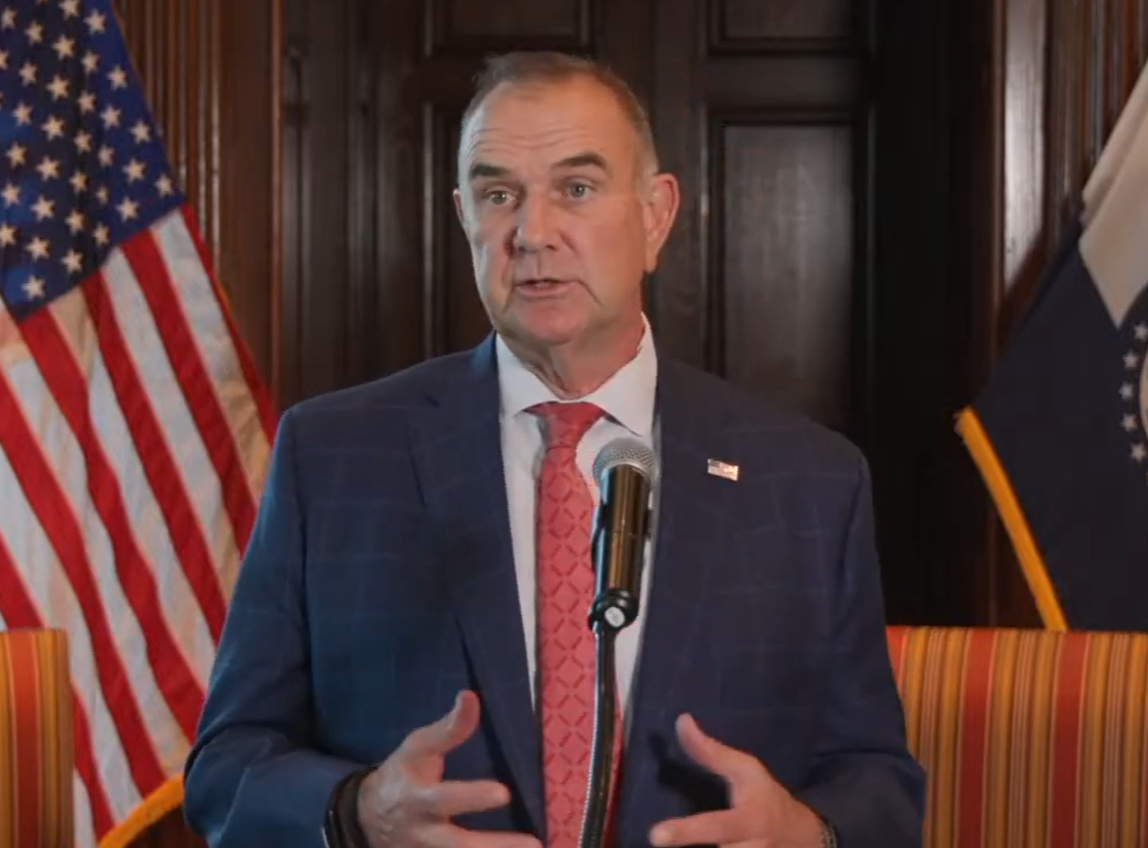
The proposed tax overhaul is Gov. Mike Kehoe’s top priority this year. He says he wants to exempt agriculture, healthcare and real estate transactions from being taxed if voters agree to allow the income tax to be phased out.
The governor, a Republican, said Missouri should join other states without income taxes—including Tennessee, Florida and Texas—to spur economic growth.
Those states, however, have significant sources of revenue Missouri does not, including tourism in Florida and billions in oil and gas taxes in Texas.
Recommended Articles
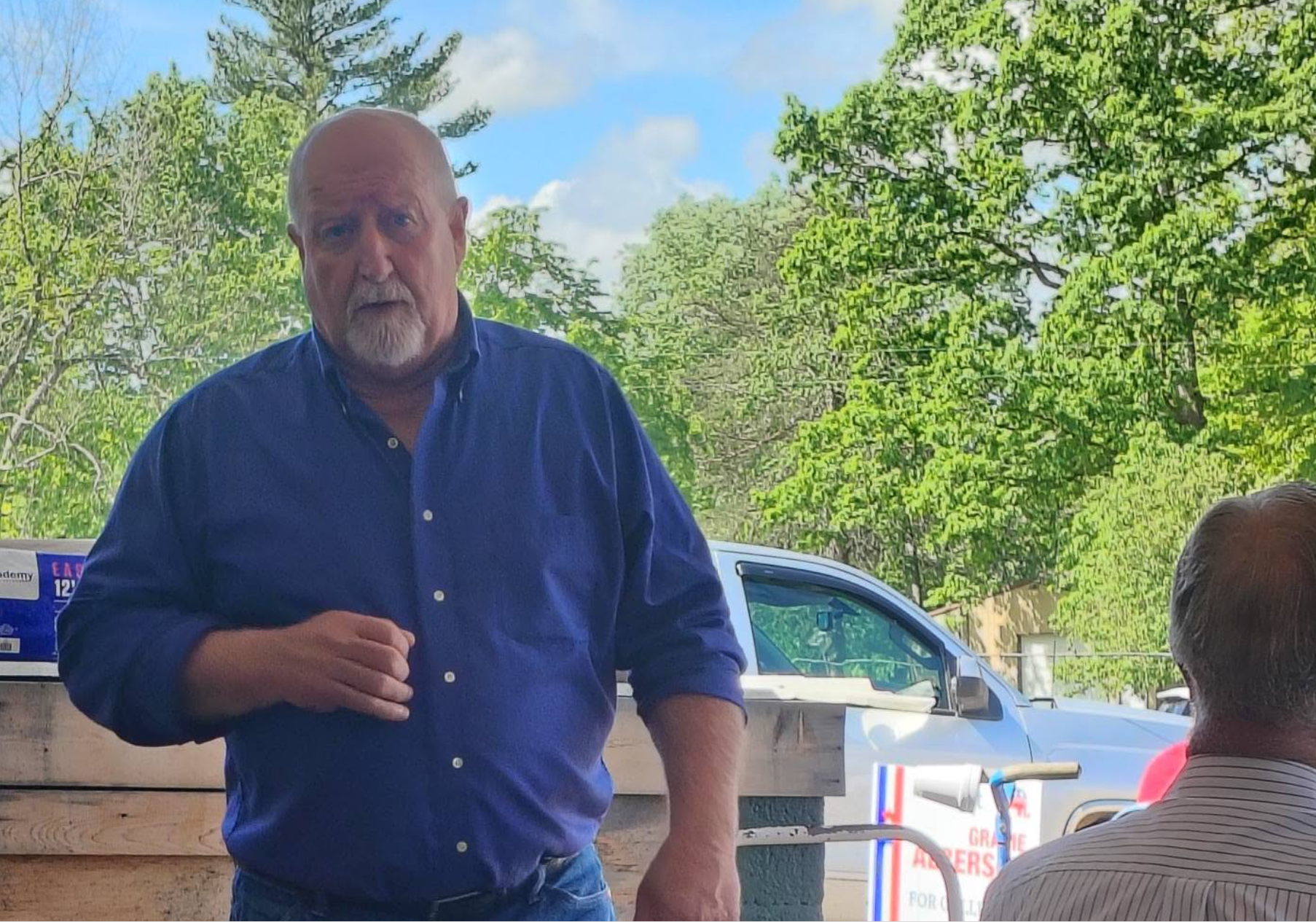
Amy Blouin, president of the Missouri Budget Project, which analyzes state spending and revenue, called the lack of specifics a “huge problem” for backers of the amendment.
“They’re trying to hide the ball. They either don’t want people to know their true intent and what would be subject to the greatly expanded sales tax, or they really don’t have a plan for replacing the revenue from the income tax simply because the math doesn’t work in their favor. Either way it’s a problem,” Blouin said.
The proposal has drawn the ire of the Missouri Association of Realtors, which used the constitutional amendment process in 2016 to impose a ban on raising the sales tax.
Scott Charton, spokesman for Missourians for Fair Taxation, a campaign committee of the Realtors, said the lack of information is a sign supporters want to “sucker our citizens into a bait and switch.”
“They talk about eliminating the income tax, when in fact they could zero out the income tax by law today. But that blows an $8.5 billion hole in Missouri’s revenues,” Charton said.
University of Missouri political scientist Peverill Squire said the vagueness of supporters gives opponents wide latitude to fill in the gaps with possible scenarios.
“That leaves Amendment 5’s opponents an opportunity to list all of the ways its passage may cause everyday costs to rise through higher sales taxes and how it would likely result in lower levels of government services and programs, particularly those impacting education, health, and transportation,” Squire said.
Political scientist Daniel Ponder at Drury University in Springfield agreed, saying the ambiguity of supporters is an attempt to downplay the consequences of what could happen further down the road.
Supporters, he said, do not want to muddle their message of no income tax with the prospect of either higher sales tax rates or reductions in state services.
“I think what we’re seeing is a classic thing,” Ponder said. “It’s a very common tactic.”
To counter the money being spent by the Realtors, Missouri Promise has tapped into dark money groups to help fund ads it is running to promote the amendment.
The campaign has received a $3.9 million contribution from Missouri Action, a Jefferson City-based not-for-profit, which is not legally required to disclose its donors.
On July 2, the Maryland-based American Advantage Inc., which also does not have to report its donors, contributed $1 million to Missouri Promise. Earlier that day the PAC received $300,000 from the American Policy Coalition, which also is not required to report its donors.
Davidson, meanwhile, also did not offer a specific answer of how much the current state sales tax rate of 4.225% would have to increase to make up the loss of the nearly $9 billion generated by the income tax each year.
Blouin said lawmakers would need to increase state and local sales tax rates to an average of 16%, unless they also expand the sales tax to apply to all products and services, including groceries, which currently are taxed at a lower rate of 1.225%, healthcare and rent.
“In any of these scenarios, 80% of Missourians would pay more in taxes after the swap. Only the very wealthiest would net a tax cut. Missourians deserve better,” Blouin said.
Other Amendment 5 supporters, including Republican Auditor Scott Fitzpatrick, have said the state portion of the sales tax could be increased to 7% to replace the income tax loss.
“We can eliminate Missouri’s state income tax while maintaining a revenue-neutral tax system,” Davidson said.
He added that the specific sales tax structure and any necessary adjustments ultimately will be determined by the Missouri Legislature through the normal legislative process, with input from the public and stakeholders.
“Amendment 5 establishes the framework for that process while ensuring Missourians keep more of what they earn,” he said.
St. Louis University political scientist Ken Warren said supporters of Amendment 5 are being vague about what lawmakers will have to target in new taxes because it will be difficult to find enough revenue sources to replace what the income tax generates.
“They don’t have a plan. That’s going to be given to the Legislature to figure out,” Warren said Wednesday. “Making up $9 billion is not going to be easy. That means they are going to have to make all kinds of cuts.”
Opponents of the amendment say the lack of specific information means that every possible future purchase of goods and services will be taxed. Democrats coined the term “Everything Tax” when the proposal was working its way through the Legislature.
The Missouri Special Districts Association, representing ambulance districts, wastewater treatment systems and other small local governmental units, voted unanimously June 12 to oppose the amendment in part because of the vagueness of what the supporters want to do.
“Lead proponents do not have solid plans for what the policy landscape would ideally look like if Amendment 5 passes. Aside from the absence of a plan, more than a quarter of the state legislature will turnover in 2027 with term limits, vacancies, and potential election outcomes,” the organization said in announcing its opposition.
Davidson did not answer why specific information is not available, but said Missouri Promise and other supporters of Amendment 5 are talking to voters about the need for the change.
“We’ve been hosting townhalls, interviews, and radio shows sharing this information with the people of Missouri. The challenge has been the massive amounts of disinformation from establishment Democrats,” he said.
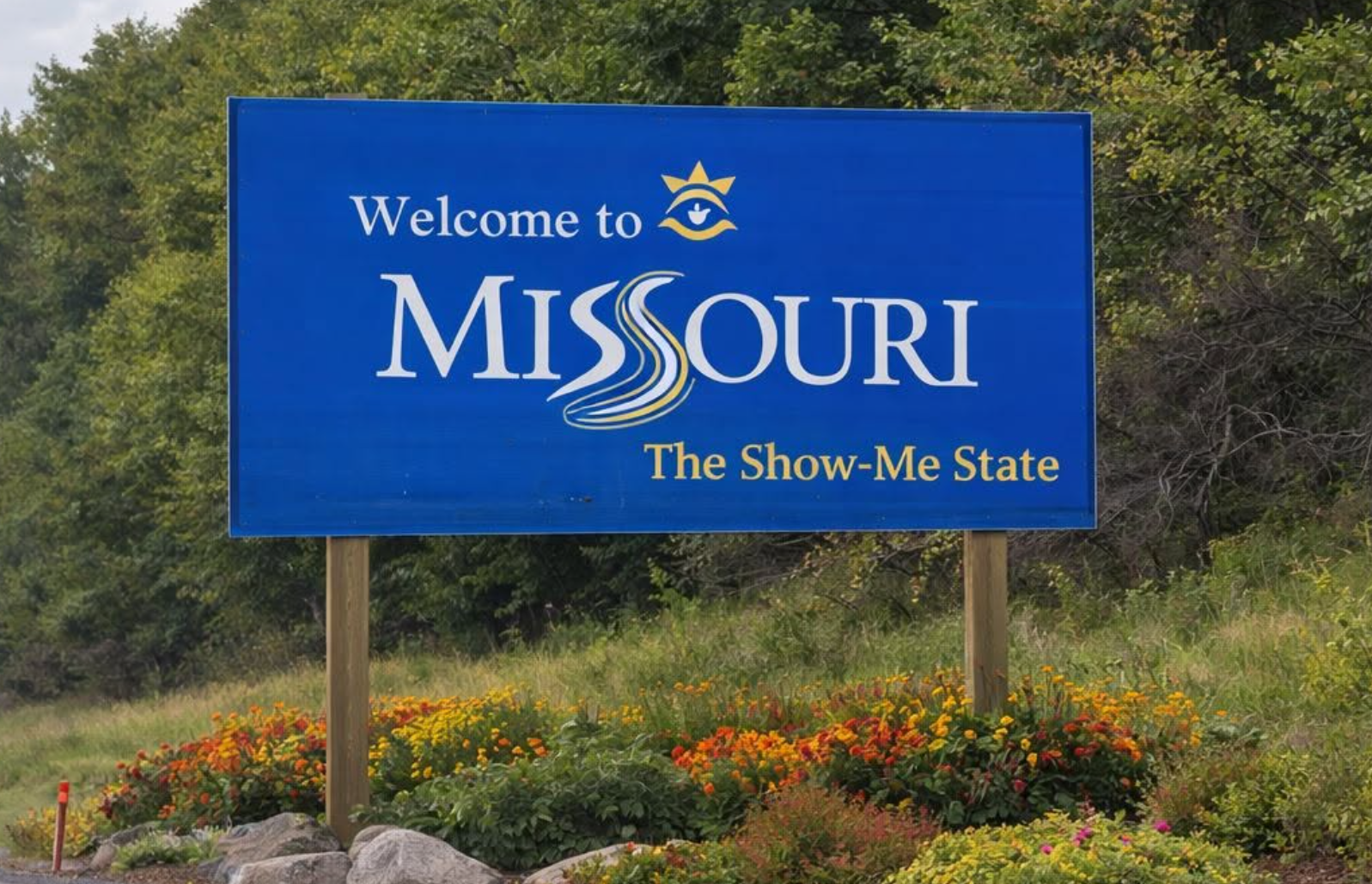
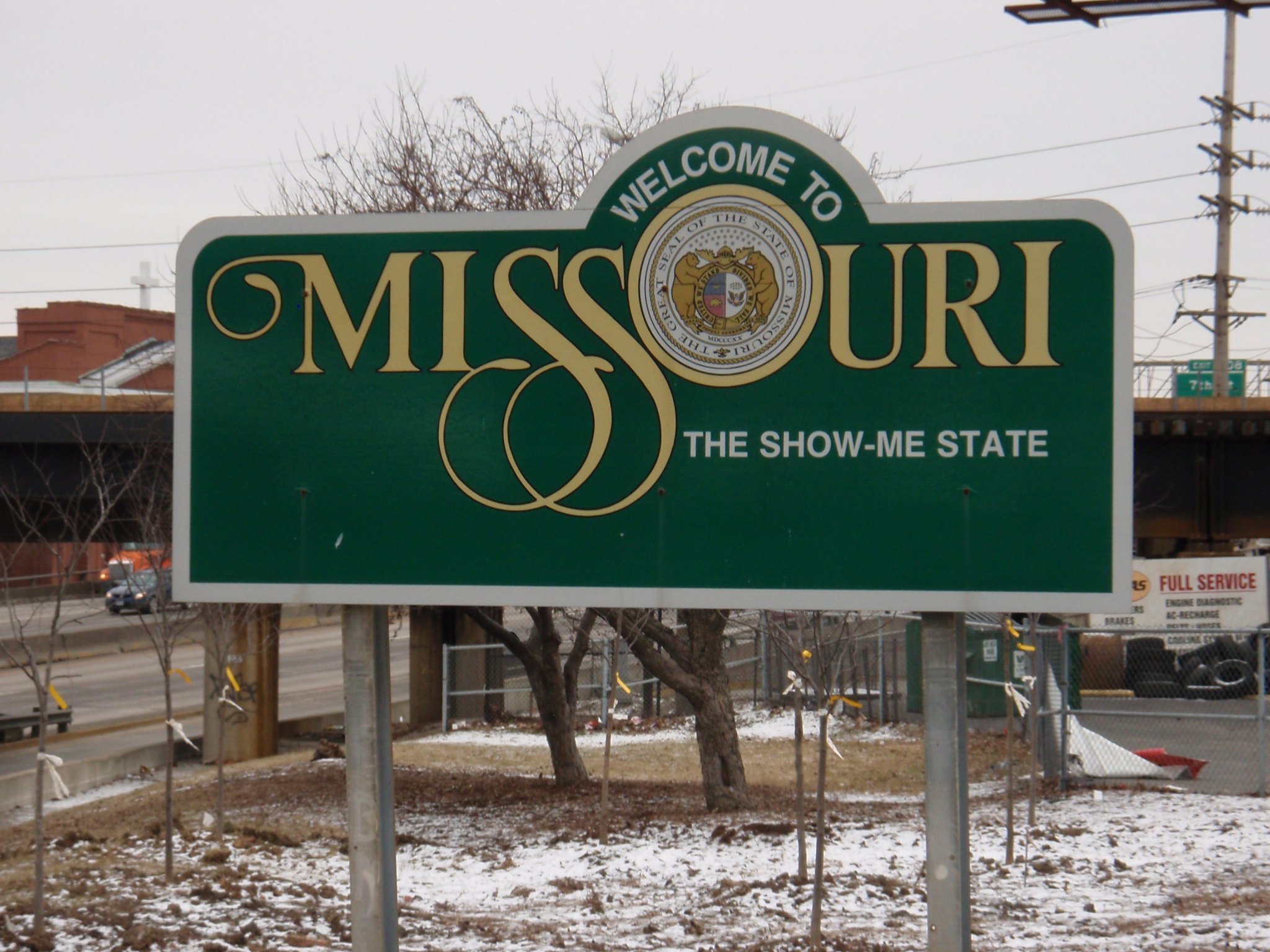
Blouin said the lack of information may make the plan a hard sell in the Show-Me State.
“Missouri voters want the details. We want to know what will be taxed, but all we’ve been given are vague ‘promises,’” she said. “Proponents are trying to sell a lemon, making promises about exemptions that they won’t be able to keep.”
Photo credit: Missouri Life/Facebook
_______
© 2026 the St. Louis Post-Dispatch. Visit www.stltoday.com. Distributed by Tribune Content Agency LLC.
Sign in to get access to this free resource, and all of our whitepapers and reports.

Download this content today!
Register Now Already registered? Click here to Log In