



By Noah Zahn
Wyoming Tribune-Eagle, Cheyenne
(TNS)
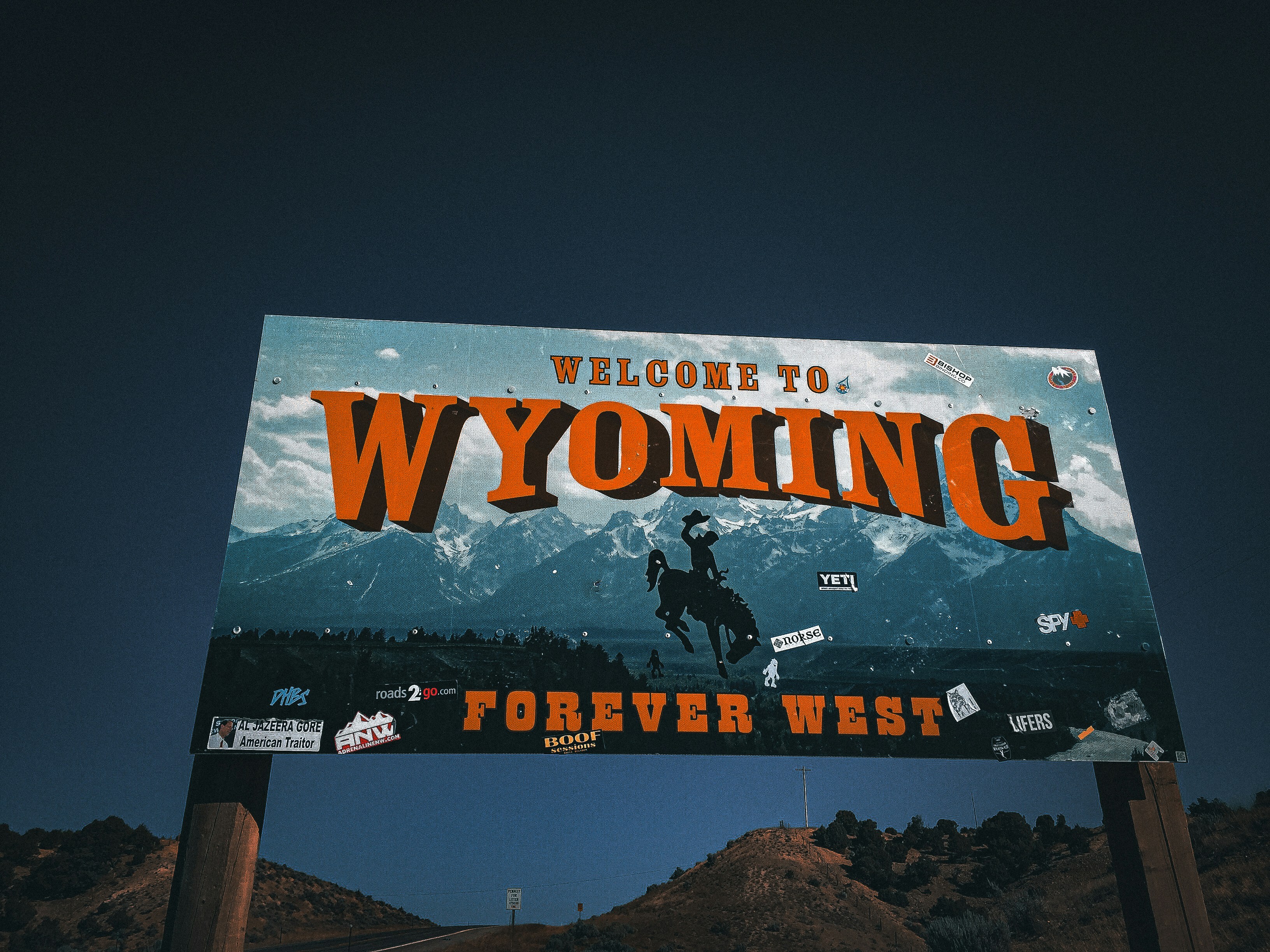
CHEYENNE — Lawmakers are once again considering a proposal to ditch property taxes for an increase in sales taxes for Wyomingites.
On Monday, the Joint Revenue Committee discussed the proposal along with some others to clear the air on confusion regarding recent and further tax cut proposals.
During the meeting, lawmakers grappled with a slew of further of property tax proposals, attempting to balance the public demand for homeowner relief against the increasingly dire warnings from local governments about the potential collapse of essential services.
The meeting opened with a look at the effectiveness of the relief measures already passed by the Wyoming Legislature. Since 2023, lawmakers have implemented a 4% cap on year-to-year assessment increases, a 25% homeowner property tax exemption and a 50% exemption for long-term residents over the age of 65. However, testimony from state revenue officials and county assessors said that the system can be so complex that many of the citizens it was designed to help are being left behind.
The confusion crisis
Ken Guille of the Wyoming Department of Revenue testified that only about 44% to 46% of eligible Wyoming homeowners actually received the 25% exemption during its first year of application. Across all new exemptions, he estimated it accounted for $190 million in exempted tax dollars in 2025. For 2026, he said the rough estimates currently are at $140 million.
The primary reason for the lack of participation in programs, some testified, was widespread confusion among the public.
Dixie Huxtable, the Converse County assessor, told the committee that the rapid changes to the law have left taxpayers bewildered.
“What has happened in the last couple of years with property tax relief really has taxpayers confused. They don’t really know what to ask for. They don’t know what to expect,” Huxtable said. She urged the committee to consider a period of stability, noting that “less change is better” for transparency purposes.
Joel Schell, the Converse County treasurer, echoed these concerns, noting that citizens are struggling to distinguish between the various refunds and exemptions currently on the books.
“A lot of people came in asking about refunds when they meant exemptions. And a lot of people came in talking about the exemptions when they meant refunds,” Schell said. He also highlighted a “wave” of confusion among homeowners with escrow accounts, many of whom do not even realize they received a tax reduction until their mortgage company performs an annual audit months later.
A permanent solution
Frustrated by the temporary nature of recent exemptions, the committee turned its attention to more fundamental property tax reforms. One of the most significant proposals discussed was the resurrection of a plan to functionally eliminate residential property taxes altogether and replace the lost revenue with a statewide sales tax increase.
Josh Anderson of the Legislative Service Office (LSO) walked the committee through House Bill 118, which was proposed in the recent legislative session and would have set the residential assessment rate to 0%.
To fill the resulting $600 million hole in the budget, the bill proposed a 2% increase in statewide sales and use tax. Matt Sackett, an LSO fiscal analyst, estimated that a 2% sales tax increase, combined with a potential 2% real estate transfer tax, would raise roughly $580 million.
Sen. Bob Ide, R-Casper, a vocal proponent of shifting away from property taxes, argued that this shift is necessary to protect Wyomingites from national economic volatility.
“I think that we’re looking for solutions here so you’re not renting from the government the rest of your life kind of like Florida just did,” he said. “… I think we’ve got a direction here and I don’t think it’s unworkable.”
Recommended Articles
However, the proposal faced pushback regarding its impact on local services.
Sen. Cale Case, R-Lander, cautioned that sales taxes are a notoriously volatile revenue source compared to property taxes.
“I think there is a bigger issue of removing the burden of property tax from local people that incur the cost of services,” he said. “I definitely make that point that nothing is free. It has to come from somewhere.”
The base year assessment model
In a departure from traditional Wyoming tax discussions, Rep. Ken Chestek, D-Laramie, introduced an idea borrowed from the Pennsylvania tax code: the base year assessment system. Under Chestek’s proposal, the state would perform a county-wide reassessment at fair market value and then freeze those values for a set period, such as five years.
“Real estate taxes make up about half of the taxes paid by an ordinary citizen … so when we have rapid tax increases in real estate taxes, that’s a big problem for our citizens,” Chestek said. “… The concept of a base year assessment is that you pick a year … and then you freeze assessments at that base year for some period of time.”
Chestek argued that this would remove the shock of rapid inflation from the tax bill.
“You create an assessed value that doesn’t change over time so that inflation has nothing to say about what your taxes are. Inflation does not matter. Your assessed value is what matters,” he said.
The proposal would give local governments the authority to adjust their mill levies, the tax rate, to balance their budgets during the years when values are frozen. This, Chestek said he believed, would force a conversation at the local level about what services a community is actually willing to pay for instead of letting the state cut services as a result of across-the-board cuts.
The people’s initiative
Eventually, the committee addressed the elephant in the room: a citizen-led ballot initiative that Wyoming voters will decide on this November. If passed, the people’s initiative would exempt 50% of the assessed value of a primary residence from taxation.
Some warned that the initiative, if passed, would create a new layer of complexity.
“Until the people’s initiative passes or fails, we don’t really know what we’re going to be dealing with,” Huxtable said.
Lawmakers discussed the need to clean up the interaction between this initiative and existing laws to ensure taxpayers don’t accidentally stack exemptions in a way that is unconstitutional or fiscally unsustainable.
Decisions and next steps
The committee made several decisions in the meeting to prepare for the upcoming people’s initiative vote and the 2027 legislative session:
- The committee voted to bring back a bill that would change the valuation of a home only when it is sold, similar to the acquisition value system used in California.
- Lawmakers moved to redraft a constitutional amendment that would set the residential assessment rate to zero, contingent on a corresponding sales tax increase.
- Implementing Amendment A: To honor the recent voter-approved constitutional change, the committee voted to draft a bill securing a separate tax class for residential property with a reduced assessment rate of 8.3% (down from the current 9.5%).
- A bill will be drafted to clarify that if the people’s initiative passes, the current 25% homeowner exemption would be repealed to prevent double-dipping, while keeping the 4% cap in place.
During the meeting, Case reminded the body that “nothing is free” and warned that removing the local tax burden removes a check and balance in the government system.
In contrast, Rep. Tony Locke, R-Casper, emphasized the need to follow the voters’ intent.
“If we don’t take the percentage down, then I don’t think we’re doing what the people voted for, to be perfectly honest with you,” he said regarding the implementation of Amendment A.
While the committee has moved forward with several sweeping reform options, the core tension remains of how to provide substantial relief to homeowners without gutting funding for essential services in Wyoming communities.
The committee will reconvene in August to review the specific language of these new bill drafts.
Photo credit: Martin Podsiad/Unsplash
_______
© 2026 Wyoming Tribune-Eagle (Cheyenne, Wyo.). Visit www.wyomingnews.com. Distributed by Tribune Content Agency LLC.
Sign in to get access to this free resource, and all of our whitepapers and reports.

Download this content today!
Register Now Already registered? Click here to Log In