



By Grace Da Rocha
Las Vegas Sun
(TNS)
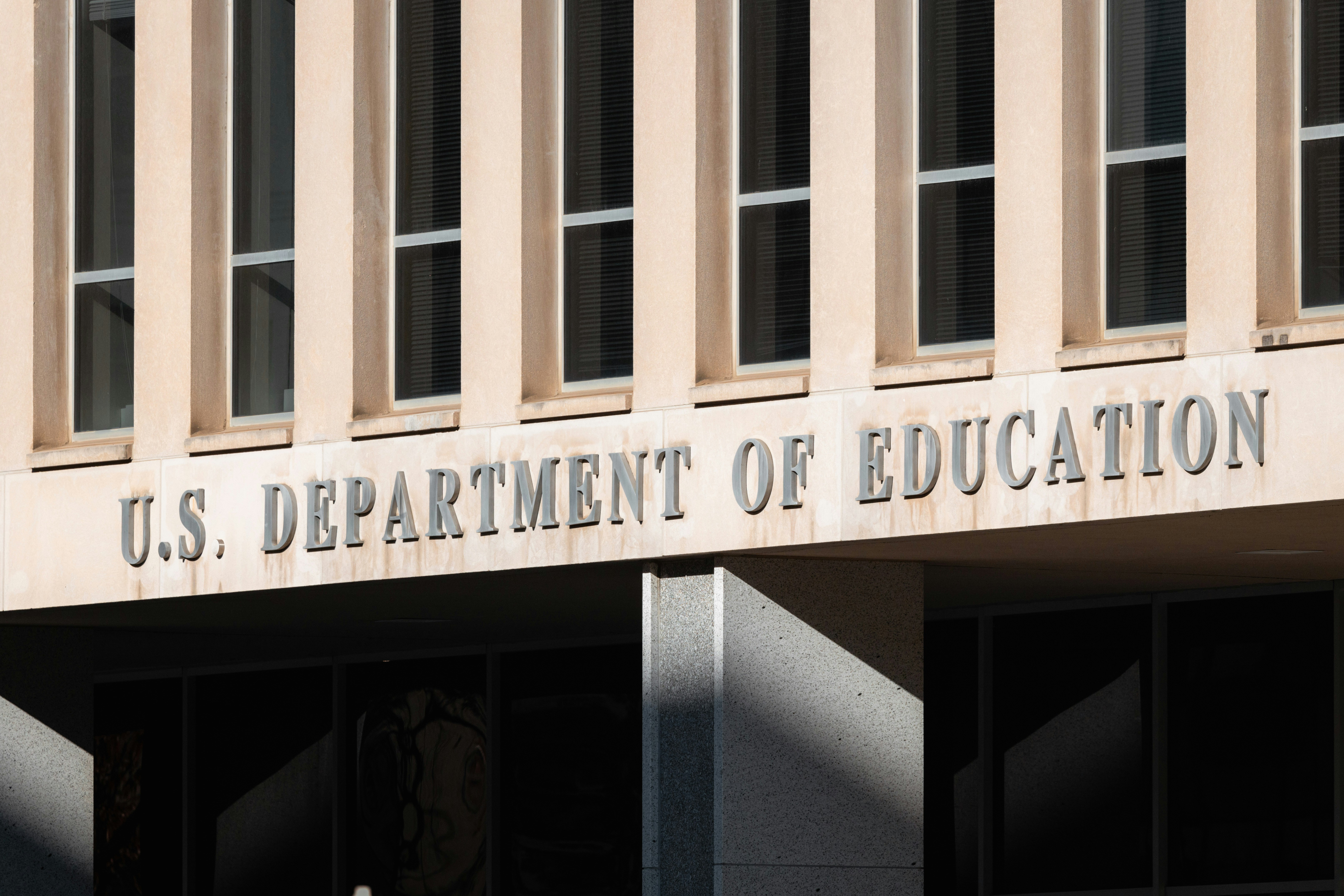
May 20 — A coalition of attorneys general filed a lawsuit against the U.S. Department of Education over a rule that narrows the definition of a “professional degree”—a change the group argues would cut off student loan access for thousands of students pursuing advanced degrees in those fields.
The multistate coalition is challenging the rule in a lawsuit filed Tuesday in U.S. District Court for the District of Maryland.
Nevada Attorney General Aaron Ford warned the rule “would have a devastating impact on Nevada’s healthcare community,” reducing financial aid for students seeking many advanced medical degrees and deepening the state’s already critical healthcare workforce shortage.
“The availability of these loans ensures that talent and dedication, not status, would determine who can seek university degrees,” Ford said during a news conference. “We do not pull ladders up behind us in this country, and we do not deny our future generations the access that past generations enjoy.”
The issue can be traced to last year’s passage of President Donald Trump’s One Big Beautiful Bill Act, which placed limits on federal student loans and directed the DOE to identify “professional degree” programs eligible for higher federal lending limits—a designation set to take effect this summer.
Under current guidelines, some graduate programs carry a “professional” designation, which allows students to qualify for larger federal student loans. In February, the Department of Education—led by Secretary Linda McMahon—proposed narrowing that definition to 11 fields, including medicine, dentistry, theology and law.
The proposed change would exclude accounting, as well as key healthcare fields, such as nursing, social work, physician assistant studies, physical therapy and occupational therapy, from the “professional” designation.
Recommended Articles



Under the new classification, medicine, dentistry, law and several other “high-cost programs” would qualify for an aggregate borrowing limit of $200,000, while students in other graduate or doctoral programs would be capped at $100,000 in total federal loans. That gap extends to annual limits as well—”professional” students could borrow up to $50,000 per year, compared with $20,500 for those enrolled in other graduate degree programs.
The DOE contends the move will “help drive down the cost of graduate programs and reduce the debt students have to take out.” It also says graduate students have received more than half of all new federal student loans in recent years and make up 50% of the outstanding $1.7 trillion federal student loan portfolio.
Around 65,000 people submitted comments on this issue and others related to Trump’s spending and tax bill during the public comment period, which closed March 2. The Department of Education was required to review all comments before issuing its final regulations April 30.
The finalized rule retained all 11 proposed professional degree designations and established a new student loan repayment system offering fixed or income-based payment options.
Starting July 1, new borrowers will no longer be eligible for Graduate PLUS Loans, a credit-based program with a higher fixed interest rate and no borrowing cap. All student borrowers, regardless of program, will be subject to a combined total borrowing limit of $257,500.
“The Trump administration is focused on putting students and taxpayers first, which is why we are implementing durable policies to make higher education more affordable,” Undersecretary of Education Nicholas Kent said in an April 30 statement. “This final rule will help ensure students can access higher education without racking up excessive loan debt, offer repayment options that better serve borrowers and force institutions to reduce costs.”
Ford criticized the department’s decision to limit the designated professional programs, saying it “will punish low-income and middle-class students whose families cannot afford to pay tens of thousands of dollars for professional degrees.” It also “is a slap in the face of those Americans who would seek furthering education to help the community, their career and their families,” Ford added.
He is co-leading the lawsuit with the attorneys general of Colorado, Maryland and New York. They are joined by the attorneys general of Arizona, California, Connecticut, Delaware, the District of Columbia, Hawaii, Illinois, Maine, Massachusetts, Michigan, Minnesota, New Jersey, New Mexico, North Carolina, Oregon, Rhode Island, Vermont, Virginia, Washington and Wisconsin, along with the governors of Kentucky and Pennsylvania.
The coalition argues the rule unlawfully excludes many degree programs that would otherwise qualify under standards established by Congress, potentially cutting off financial aid for students pursuing advanced degrees.
Ford said Congress passed legislation in July 2025 establishing different federal loan limits for graduate and professional students—and in doing so, incorporated an existing federal definition of what constitutes a professional degree. The lawsuit contends the Department of Education unlawfully altered that definition by imposing new requirements and narrowing eligibility in ways Congress never authorized.
The coalition further argues the rule could harm states directly by reducing support for public higher education institutions and worsening workforce shortages in critical fields like nursing.
Photo credit: Andy Feliciotti/Unsplash
_______
© 2026 the Las Vegas Sun (Las Vegas, Nev.). Visit www.lasvegassun.com. Distributed by Tribune Content Agency LLC.
Sign in to get access to this free resource, and all of our whitepapers and reports.

Download this content today!
Register Now Already registered? Click here to Log In