



By Jim Brunner
The Seattle Times
(TNS)
OLYMPIA — The state Senate gave a final sign off to a new income tax on high earners on Wednesday, sending the measure to Gov. Bob Ferguson for his signature.
The muted debate was not as dramatic—and certainly not as long—as the epic 24-hour-long fight in the state House this week over what Democrats call a “millionaires tax.”
The bill imposes a 9.9% tax on income of over $1 million a year, with the first payments due in 2029. It would raise an estimated $3 billion to $4 billion annually, helping to fund schools and other state services.
The Senate had already passed a version of Senate Bill 6346 and voted Wednesday to concur in the changes made in the House and send it to Ferguson’s desk.
The final vote was 27-21, falling mostly along party lines.
Recommended Articles




The debate in the Senate Wednesday evening was technically limited to the changes in the bill made by the House, so it lacked the sweep and passion of the earlier votes on the overall merits of the tax.
Senate Majority Leader Jamie Pedersen, D-Seattle, the chief sponsor of the tax measure, praised tweaks made by the House, including a pledge to use some of the money to guarantee free school lunches for children in K-12 schools.
One of great joys of this legislative process is that at every step of the process, with the input of literally hundreds of thousands of people, this bill has gotten better and better,” he said.
But Republicans argued the tax will ultimately hit more people, regardless of the promises in the current bill.
“Everyone with a job will eventually be paying this income tax … because it’s the easiest thing that politicians can do when budget deficits come about,” said Sen. Chris Gildon, R-Puyallup.
Most of the money generated by the tax would go to the state’s general fund budget, which funds K-12 schools, human services and universities. A 5% chunk will be dedicated to child care and early learning.
The bill also includes some tax breaks.
It would eliminate the state sales tax on diapers, over-the-counter drugs and hygiene products such as soap and shampoo. It would exempt more small businesses from the business and occupation tax
And it would expand the Working Families Tax Credit, which sends annual rebates of up to $1,300 to eligible families, making an estimated 460,000 more households eligible.
The bill also will roll back some sales tax increases passed last year that hit school districts by applying to temporary staffing and live performances.
Ferguson has said he intends to sign the bill in the coming weeks.
Opponents have pledged lawsuits and potential ballot initiatives to overturn the tax before it takes effect.
Business groups and other critics have warned the income tax’s passage, combined with other tax increases in recent years, will cause wealthy people to flee the state for lower tax areas.
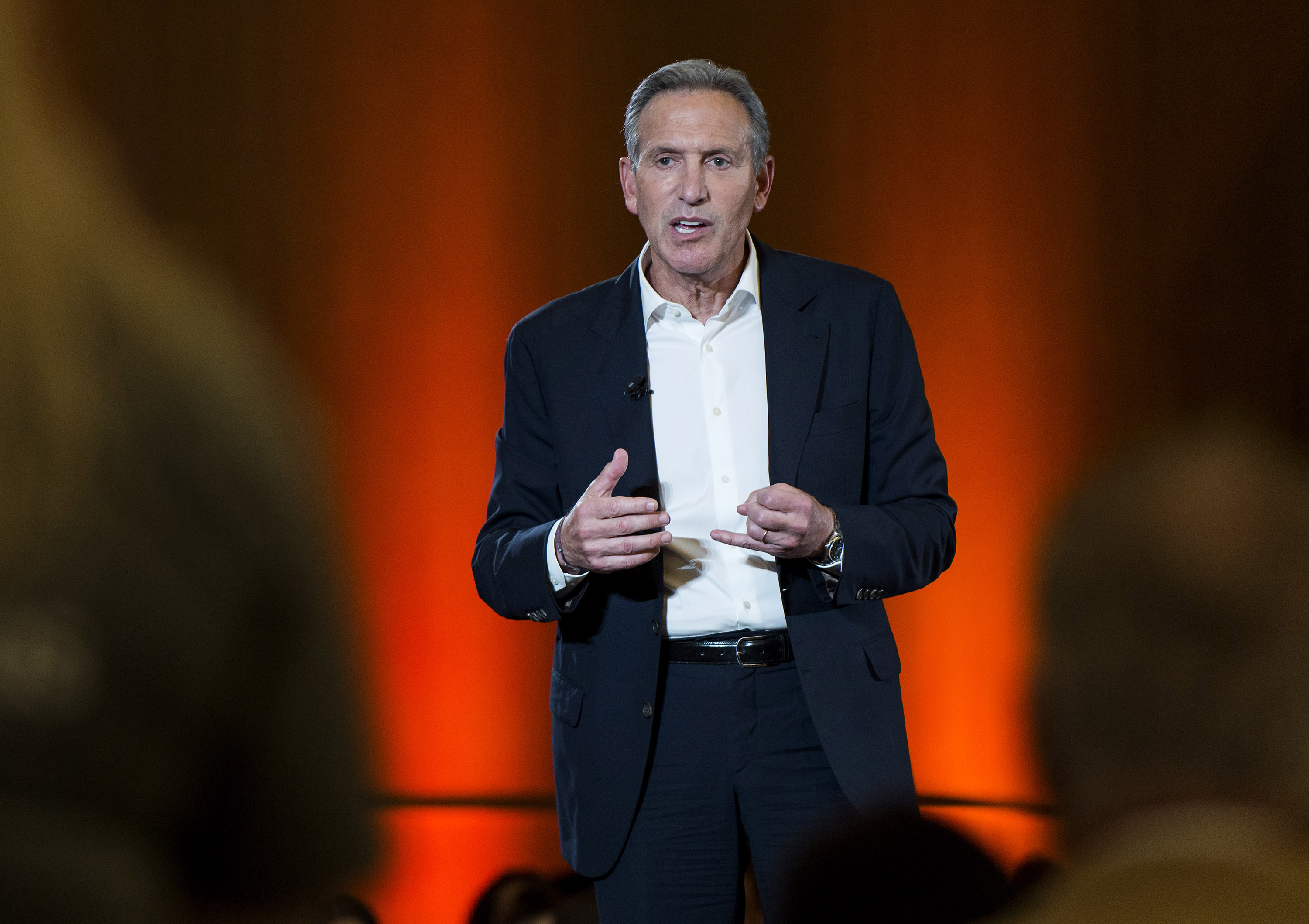
On Wednesday, House Minority Leader Drew Stokesbary, R-Auburn, pointed to former Starbucks CEO Howard Schultz announcement that he was moving to Florida, saying it “was not a coincidence.”
Ferguson was dismissive about such concerns when speaking with reporters Tuesday night after the House passed the tax.
“Candidly, that’s what they say on any revenue increase, right? I’ve heard that before … We’ll see how things play out, but I am confident that in the end this will actually help businesses,” he said, pointing to the bill’s tax cut provisions.
Photo caption: Washington State Legislative Building in Olympia, WA. (Washington State Capitol Campus)
_______
© 2026 The Seattle Times. Visit www.seattletimes.com. Distributed by Tribune Content Agency LLC.

Thanks for reading CPA Practice Advisor!
Subscribe Already registered? Log In
Need more information? Read the FAQs