By Michael Macagnone
CQ-Roll Call
(TNS)
WASHINGTON — A group of Democratic attorneys general filed a lawsuit Thursday challenging the tariffs President Donald Trump adopted in the wake of a Supreme Court decision that invalidated much of his worldwide tariff scheme.
State law enforcement officials from Arizona, California, New York, Oregon and 20 other states asked a court to block a set of 10% worldwide tariffs Trump announced last month and refund any tariffs already paid.
The president turned to Section 122 of the Trade Act of 1974 after the Supreme Court ruled against his signature global tariffs imposed under the International Emergency Economic Powers Act of 1977, or IEEPA.
Recommended Articles
Taxes February 20, 2026
Supreme Court Strikes Down Trump Tariffs
The lawsuit, filed in the New York-based U.S. Court of International Trade, argued that the administration misused the law meant to justify the latest round of tariffs. The law, referred to as Section 122, is meant to deal with “balance of payments” problems, not the sort of trade deficit issues Trump has cited, the lawsuit states.
“The President has made clear that he is going to impose worldwide tariffs by any means necessary. Until last month it was IEEPA, now it is Section 122, but the policy is the same—an exercise of completely unrestrained executive power in an attempt to usurp the taxing power that the Constitution vests in Congress, not the President,” the lawsuit said.
Section 122 allows the president to place up to 15% tariffs when the U.S. faces a “balance-of-payments deficit,” imminent depreciation of the dollar or to help other countries deal with international payment issues. The law allows the tariffs to remain in place for up to 150 days, pending a vote in Congress to extend them.
When the administration first declared the tariffs last month, the White House argued there have been long-term structural problems with the American economy rooted in a trade and investment deficit that the Section 122 tariffs could ameliorate. Trump has said he intends to increase the tariffs to 15%.
Recommended Articles

In a call with reporters Thursday, Oregon Attorney General Dan Rayfield argued the law was meant to deal with payment problems rooted in fixed exchanges and is “archaic” since the U.S. has moved off the gold standard. Rayfield said Section 122 had never before been invoked to impose tariffs.
“This has been unquestionably the largest tax increase on Americans without the support of Congress,” Rayfield said. “It cannot continue just because a few of Trump’s lawyers have found a way to twist words.”
Rayfield said that if the administration were to increase the tariffs to 15%, the states would try to fight the increase as well.
Arizona Attorney General Kris Mayes, in the same call with reporters, said the states would seek an immediate block of the tariffs.
Mayes also argued that American families were paying most of the cost of the tariffs. Mayes said that Trump had twisted the law to try and justify its use.
“A trade deficit is not a balance of payments deficit. These are not the same thing at all. The president doesn’t know the difference or he doesn’t care. He is breaking the law again,” Mayes said.
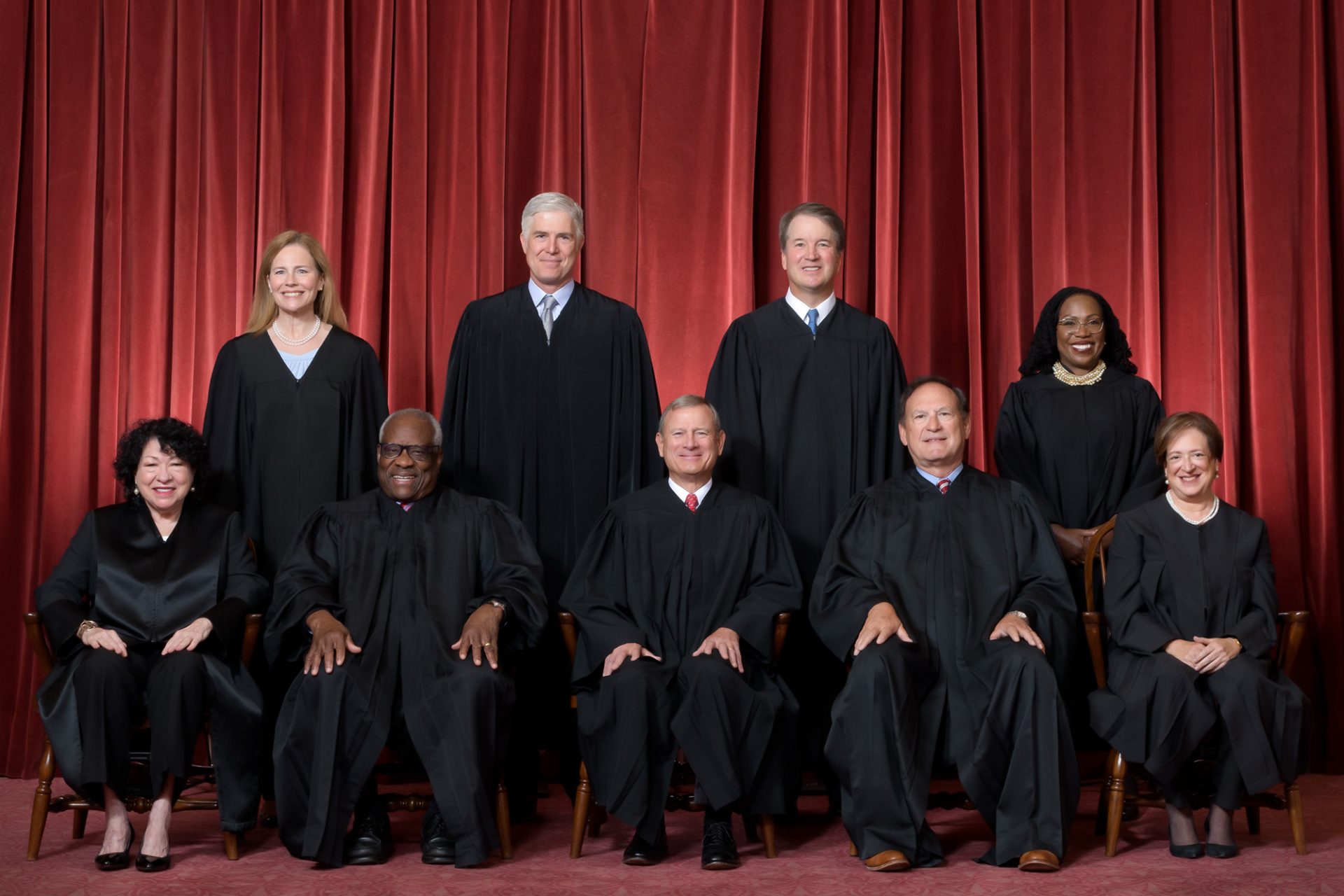
Last month, the Supreme Court in a 6-3 ruling found that Trump overstepped the emergency authority Congress gave to presidents in IEEPA.
From the start of the tariff regime last year, the government collected more than $133 billion in revenue under the law through mid-December, a figure analysts estimate jumped to $175 billion by the time of last month’s Supreme Court ruling. Since before the ruling, hundreds of businesses have filed lawsuits seeking refunds of the tariffs they paid.
A federal judge on Wednesday issued a ruling starting the refund process on the IEEPA tariffs.
Photo credit: Elijah-Lovkoff/iStock
_______
©2026 CQ-Roll Call Inc., All Rights Reserved. Visit cqrollcall.com. Distributed by Tribune Content Agency LLC.
Sign in to get access to this free resource, and all of our whitepapers and reports.

Download this content today!
Register Now Already registered? Click here to Log In