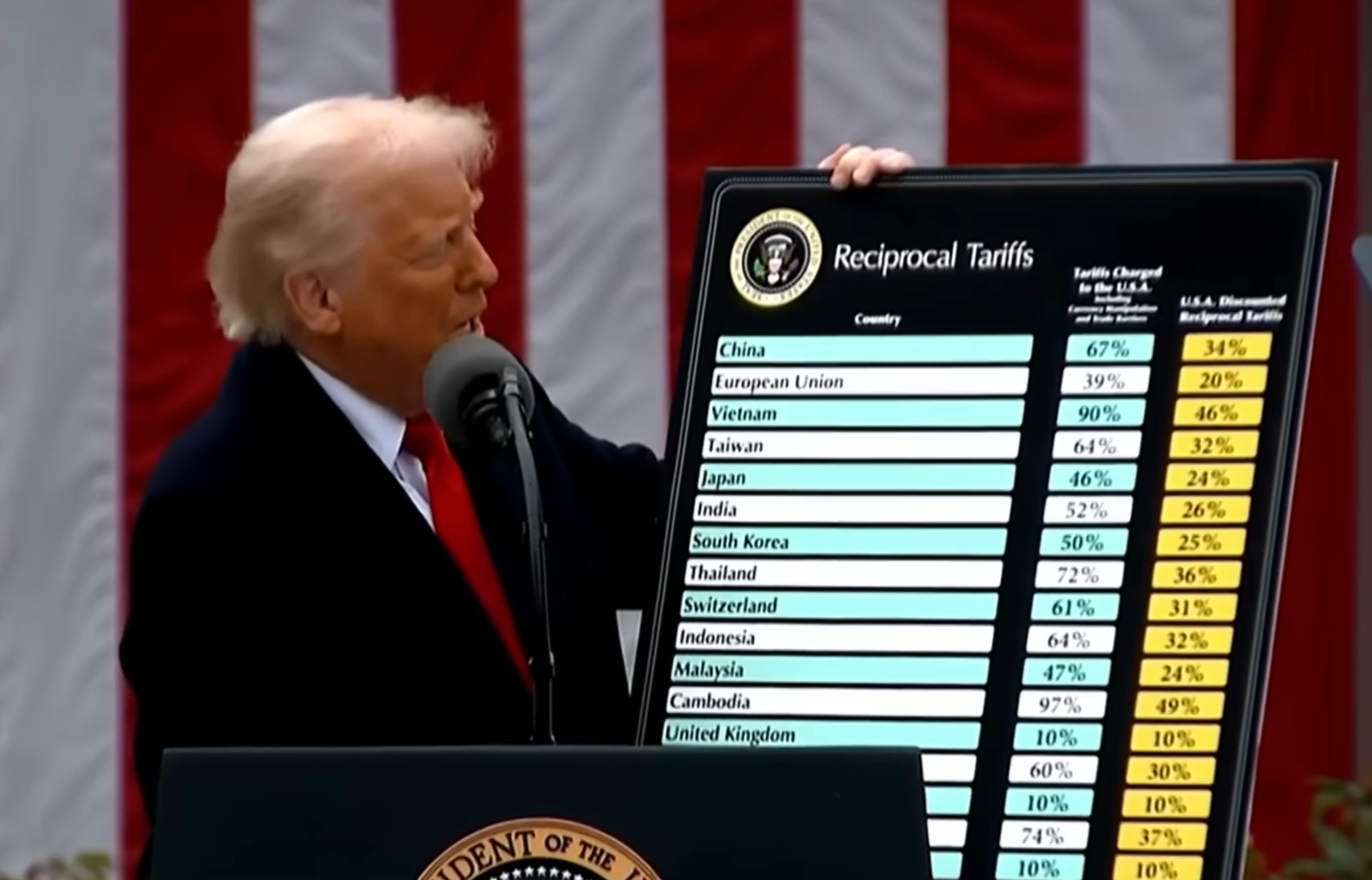
Small businesses across the US have already begun filing for a share of the $166 billion in tariffs ruled unconstitutional by the Supreme Court, with U.S. Customs and Border Protection’s new online portal going live on Monday.
According to the Center for American Progress, the average small-business importer paid $306,000 more in tariffs between March 2025 and February 2026 compared with the prior 12 months, or around $25,000 more per month. Mom-and-pop businesses employing fewer than 50 people paid approximately $175,000 more on average over the same period. For many, the refund represents months of absorbed losses finally coming back.
But the economic backdrop in which those refunds are landing is far from stable.
According to the latest University of Michigan survey, consumer sentiment has plummeted to a record low of 47.6, down 10.7% as fears mount over rising energy prices and the broader economic impact of the recent Iran conflict. Furthermore, consumer inflation expectations have spiked to 4.8% (the highest since August 2025), keeping business confidence and purchasing power under severe pressure.
Recommended Articles
Raj Bhaskar, CEO of embedded accounting solutions provider Tight and a small business finance expert, warns entrepreneurs against wasting their tariff refund.
“A refund feels like found money, but for most small businesses, it isn’t. It’s money they already absorbed through tighter margins, deferred investment, or personal cash injections to keep the lights on,” he says. “The instinct to reinvest immediately is understandable, but without a clear plan, it can create a whole new set of problems, especially right now.”
Bhaskar urges small businesses to avoid making these four mistakes once they receive their tariff refund:
1. Treating the refund as profit
Most small businesses didn’t pass tariff costs on to customers. They absorbed them. That means the refund is a repayment of lost margin, not a bonus. Businesses that account for it as new profit and spend accordingly risk overstretching at exactly the wrong moment.
“This is the most common mistake I expect to see. The refund looks like a windfall on paper, but the damage is already done. Before you decide what to do with that money, you need to honestly account for what it cost you to get here,” says Bhaskar.
2. Using it to patch ongoing cash flow problems
A one-time payment isn’t a fix for a structural cash flow gap. Businesses that use the refund to cover recurring shortfalls are simply delaying a reckoning and leaving themselves more exposed when the money runs out.
“If your business has been running short month to month, the refund will buy you time, but it won’t solve the underlying problem. Use it as a runway to fix the issue, not a reason to ignore it,” adds Bhaskar.
3. Overlooking the tax liability
The refund may be treated as taxable income. Businesses that spend it in full without setting aside for tax could find themselves with a new financial headache by year-end, particularly if they’re already operating on thin margins.
“A lot of owners will get this money and immediately think about what to do with it,” Bhaskar says. “The first question should actually be: how much of this is mine to spend? Get your accountant on the phone before you make any decisions.”
4. Making reactive capital decisions
Sudden access to cash can trigger reactive investments like new hires, equipment, or expansion that haven’t been properly stress-tested. With J.P. Morgan CEO Jamie Dimon recently warning that a rise in inflation could cause interest rates to rise and asset prices to drop, which could result in a flight to cash, that impulsiveness carries real risk.
Bhaskar concludes: “We’re not in a stable environment right now. Making growth decisions on the back of a one-off payment, when the broader economic picture is still uncertain, is how businesses end up overextended. The smartest thing you can do with this money is use it to build resilience like shoring up your reserves, clearing high-cost debt, and making sure your cash position can handle what comes next.”
Photo credit: LPETTET/iStock
Sign in to get access to this free resource, and all of our whitepapers and reports.

Download this content today!
Register Now Already registered? Click here to Log In