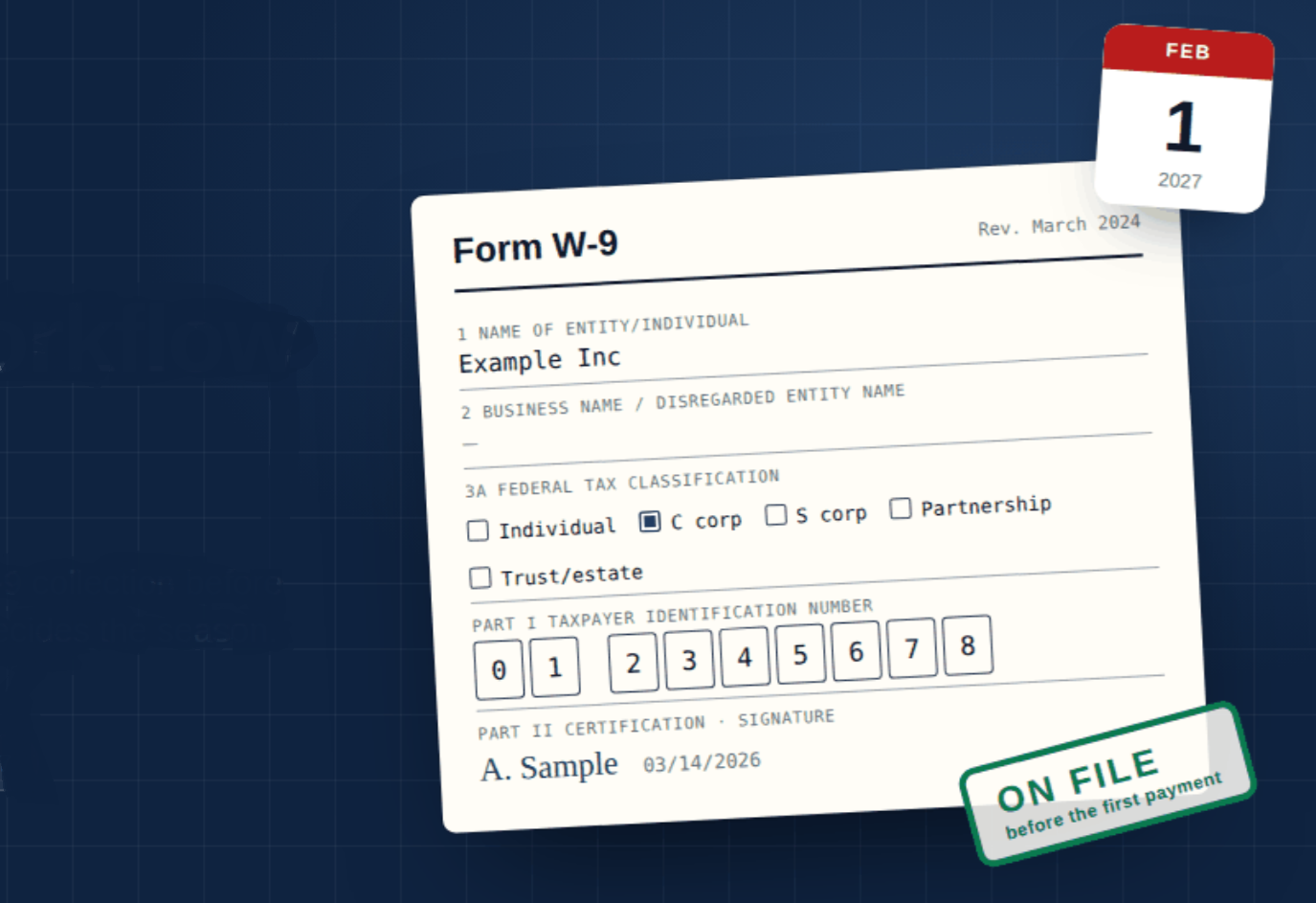
A majority of Americans say they don’t trust artificial intelligence to prepare their taxes—even less so now than last year.
Only approximately two in five (37%) American tax filers indicate they would consider using AI to file their taxes this year over hiring a tax professional, down from 43% in 2025, according to the results of a new survey from invoice template software provider Invoice Home.
Younger generations are more likely to use AI for their tax prep needs: 50% of millennials and 46% of Gen Z versus 40% of Gen X respondents.
More than 2,000 U.S. consumers who file their taxes were polled by research firm Censuswide early last month for Invoice Home’s second annual U.S. Tax Filing report. The survey uncovers Americans’ current perception of tax filing for this year, particularly highlighting their lack of confidence and the financial strain surrounding tax season.

“We continue to see a lack of confidence for nearly half of respondents when filing their taxes each year,” Petr Marek, co-founder and CEO of Invoice Home, said in a statement. “Most Americans only engage with their taxes once a year, and it’s a high-stress situation surrounded by fear of making a costly mistake. Building confidence starts with preparing throughout the year and leaning on tools and experts to help with the overall process.”
When it comes to timing, Americans are split—half (50%) of tax filers plan to file their taxes as soon as they receive their W-2 form. That said, only two in five (42%) respondents say they are confident in their ability to file their taxes correctly this year, showing nearly no improvements since 2025 (41%).
Recommended Articles
That number becomes even more glaring for the youngest generation of tax filers, with only 33% of Gen Z and 36% of millennials reporting being confident, the report says. Those who aren’t sure of themselves indicate they would go great lengths to avoid filing, saying they’d rather do the following than file their own taxes because of a lack of confidence:
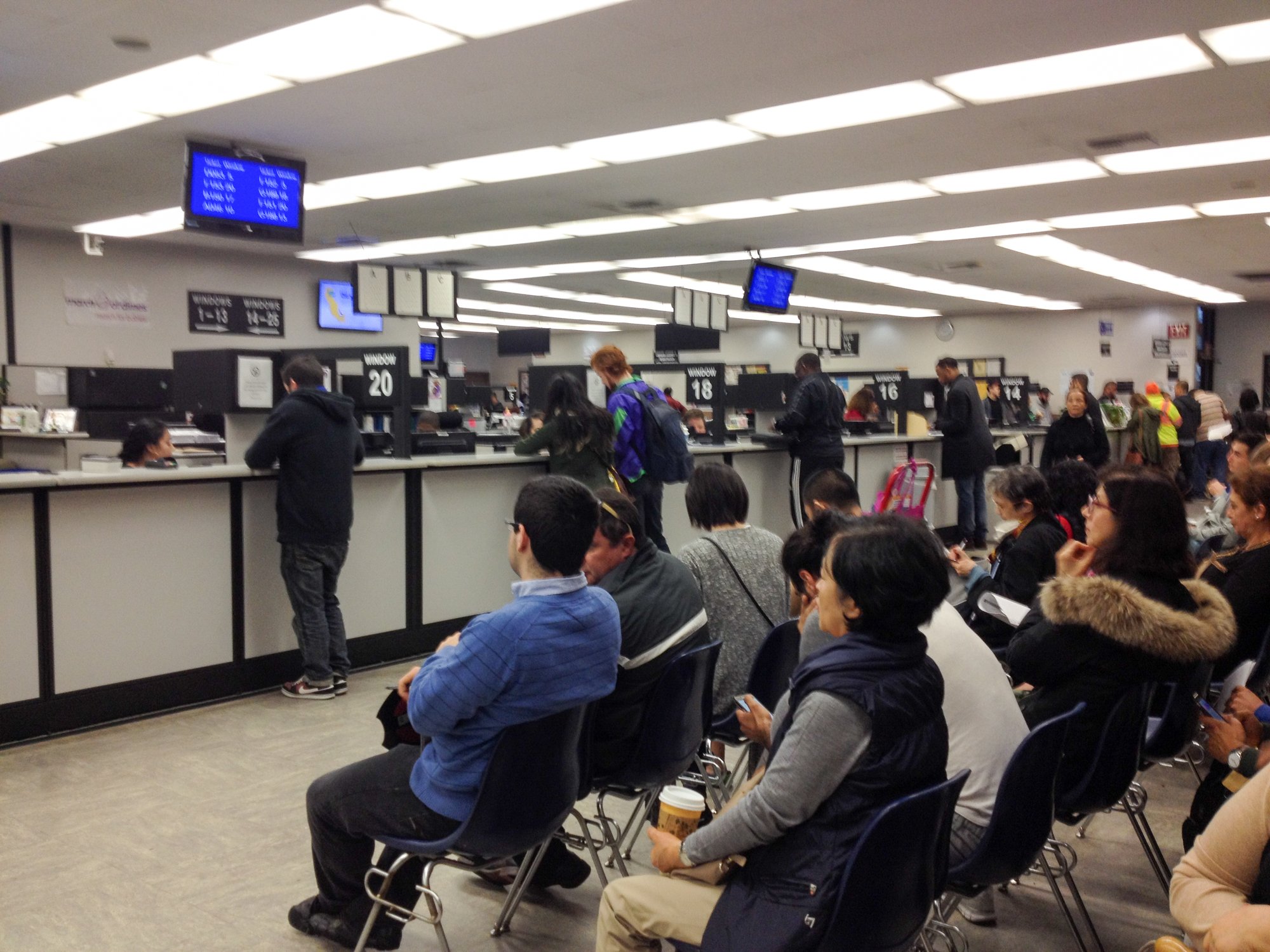
- Renew their driver’s license at the DMV (22% total; 32% of Gen Z, 25% of millennials)
- Give up non-essential spending for a month (15% total; 21% of Gen Z, 17% of millennials)
- Take a driver’s license online exam (15% total; 23% of Gen Z, 20% of millennials)
One in four (24%) Gen Z respondents and one in five (21%) millennials say they’ll delay filing their taxes this year because they’re worried about owing money to the government. One in five (21%) Gen Z taxpayers say they are relying on their tax refund to cover their cost-of-living expenses during the month they file. According to the report, if they don’t receive the tax refund they were expecting, they:
- Will have to borrow money from family/friends/a partner (21% of Gen Z, 14% of millennials)
- Won’t be able to afford rent/mortgage that month (18% of Gen Z, 8% of millennials)
- Won’t be able to afford groceries and household items that month (16% of Gen Z, 13% millennials)
- Will have to set up a payment plan with the IRS if they owe money (15% of Gen Z, 18% of millennials)
The report shows that many Gen Zers would lean on delayed payments to afford basic necessities. More than one-third (36%) of Gen Z respondents said they used “buy now, pay later” services to spread out payments within the past year.
As the BNPL industry kicks off 2026 with even more options to stretch out payments, including offering renters flexible options to pay over time, as well as after-purchase BNPL options, it’s clear there’s a bigger financial struggle than just filing taxes, Marek said.
“One in five Gen Z tax filers report that they may need to borrow money if their refund is smaller than expected, suggesting a broader issue around cash flow management, financial planning, and income unpredictability. Tax season has become a financial stress test and not the refund windfall from years’ past,” he added. “Seeking out better digital tools, financial education, and support, tax filers can be better prepared not just for tax season but throughout the year.”
Looking ahead, while nearly three in 10 (28%) respondents say they don’t plan on doing anything to manage their finances differently in 2026 beyond day-to-day lifestyle adjustments, others are looking to outside support. This includes investing in digital tools (29%), seeking support from AI (24%), relying on ChatGPT for financial advice (24%), and hiring a financial planner/advisor for the first time (22%).
Photo credit: Atlas Studio/iStock
Sign in to get access to this free resource, and all of our whitepapers and reports.

Download this content today!
Register Now Already registered? Click here to Log In