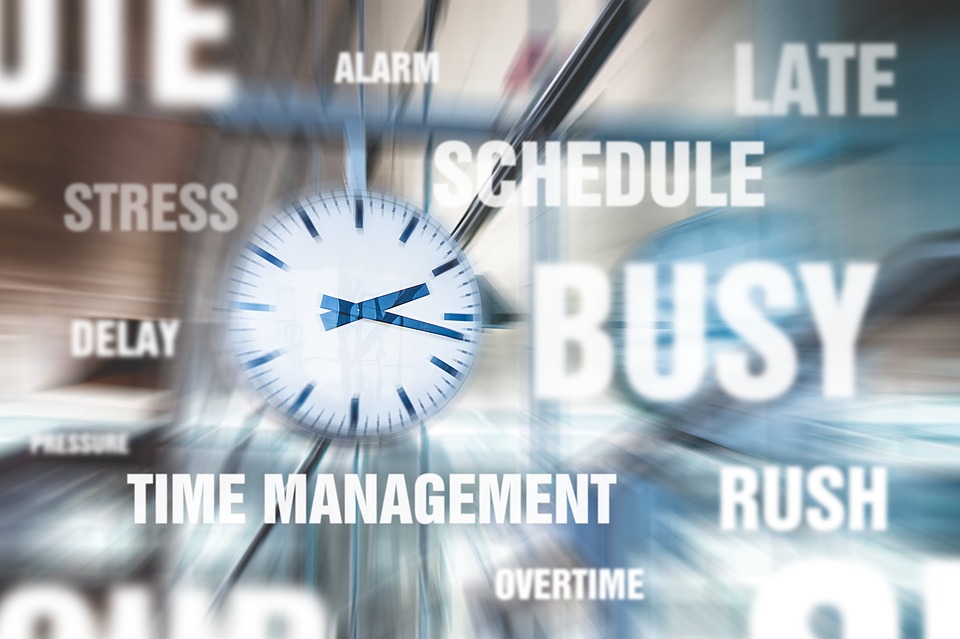




A clock ticks the same way every time: steady, predictable, and only as chaotic as the person winding it. Every year accounting firms hear that same countdown — busy season, a breath, then the October 15 scramble. That rhythm repeats because we let it. Change is possible when we choose to wind the clock differently, set clear stops, and build small habits that keep the mechanism running instead of exploding into chaos. Do those three things and the runaway clock becomes a steady metronome you can actually live with.
When change is imposed, chaos follows: reactive staffing, emergency hires, burned‑out seniors, and clients who expect whatever last‑minute patchwork you tolerate. Intentional change flips the script. It’s about deciding now how you want to wind that clock, design its functions, and set the margin for error you will allow. The clock depends on its creator.
Here’s how to stop letting the October deadline spiral out of control, with practical tips and how we help firms navigate this change.
Step 1 — Winding the clock
Start by separating what you can control from what you cannot. Some pain points are structural — K‑1s from partnerships that arrive after September 15 are outside your control and often come from valuable clients. Other problems are choices you make: clients who deliver documents five days before the 15th, forget required info, or aren’t available for follow‑up. Those are self‑inflicted. This is where your choice comes in.
Step 2 — Setting stops
Boundaries are your most powerful tool. People will push until you stop them — so stop them intentionally.
Two simple moves:
- Price the effort. Charge a premium for late submissions. If work arrives after your cutoff (for example, October 1), add a rush fee that reflects the disruption.
- Define the stop. For year one, set a hard cutoff: returns received after October 10 will be completed for a premium but will not be accepted again next year. Track violators and enforce the rule.
These changes aren’t hard to implement. You already know who your chronic last‑minute clients are. Set the stop, communicate it clearly, and be firm. If a client objects, they’ll either come in earlier next year or they’ll find someone else — either outcome improves your firm.
Step 3 — Build habits
The first year is easier than you might fear. When firms adopt these changes, pushback is usually limited; the hard part is consistency. Stand firm when clients push back and explain the rationale: proactive service only works if you receive materials ahead of time. “We can’t help you on October 14 — that window has closed” is a simple, honest line that protects your team and your process.
- The cost of inaction
Treating October as a crisis rather than an annual operating rhythm has real costs. The greatest cost is our time, effort, and peace of mind. If you want to build a practice that specializes in last‑minute returns, go for it — just make sure you have plenty of caffeine and staff ready to work around the clock. The rest of us will enjoy our sanity.
Step 4 — Celebrate the wins
Recognition makes change sticky. Celebrate meaningful wins in ways your team actually cares about: an extra day off after October, great food, or more autonomy in scheduling.
- Keep it human — avoid robotic trophies. Reward the behavior that preserved sanity and margins.
The Award of Silence
When you wind the clock differently, set the right stops, and keep the rhythm, the noise fades. You can’t control every storm, but you can control the choices you make about how your firm operates and whom it serves. Small, deliberate changes compound fast — and as you move past another stressful October 15, it’s okay to admit it’s time for a change. Replace the scramble with a steady tick you actually enjoy.
Sign in to get access to this free resource, and all of our whitepapers and reports.

Download this content today!
Register Now Already registered? Click here to Log In