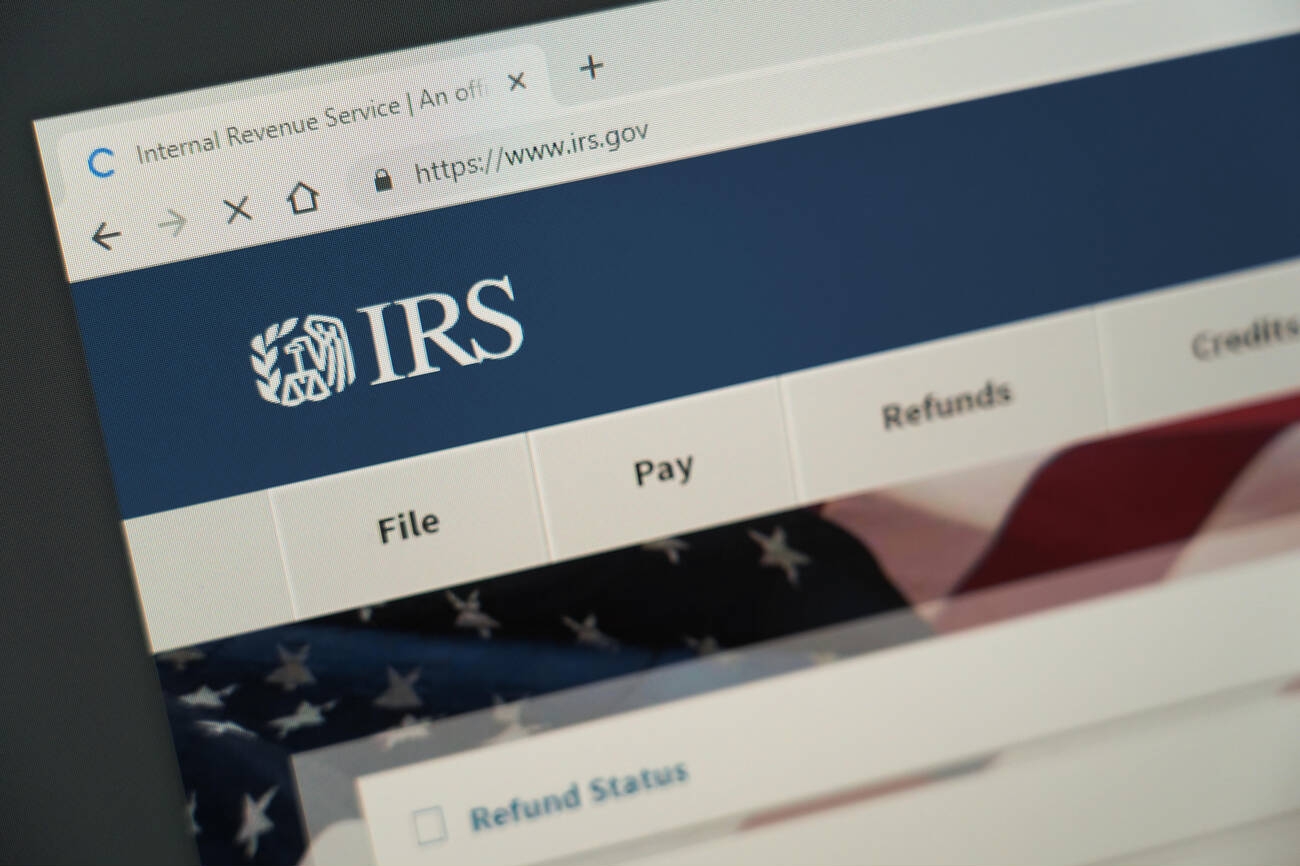




With just two weeks until the tax filing deadline for C-corporations and individuals who requested a filing extension, the American Institute of CPAs (AICPA) is renewing its call to except 100 percent of Internal Revenue Service (IRS) employees for the duration of the shutdown, even beyond the five days already authorized in the agency’s contingency plan.
The consequences of such a drastically reduced workforce during a tax filing deadline and immediately preceding the start of next year’s tax filing season would be dire. The new tax law requires additional guidance to ensure compliance; without full staff, this guidance could be delayed, as we’ve seen during previous shutdowns. This would result in confusion and undue stress on taxpayers, practitioners and the IRS.
“Right now, taxpayers, C-corporations and tax advisors are working hard to meet the October 15th filing deadline – this can be stressful enough. An extended government shutdown during this important filing deadline will compound this anxiety if the IRS is not 100 percent staffed,” said Melanie Lauridsen, Vice President of Tax Policy & Advocacy with the AICPA.
In a recent letter, the AICPA recalled the significant stress the 2018/2019 government shutdown caused on the tax system, including:
- Taxpayers continued to receive automated IRS collection notices, notices of intent to levy, and warnings of asset seizures with no means for resolution.
- With audit, examination, and appeals activities suspended, taxpayers were unable to resolve disputes and to stop penalties and interest from accruing.
- Taxpayers and their practitioners experienced unreliable online account access, varying ability to make electronic payments, and an inability to process critical tax documents.
- Taxpayers and their practitioners could not assist identity theft victims or address hardship issues when the IRS phone lines were not operating, and the IRS phone lines experienced significantly heavier call volume and, therefore, longer wait times upon resumption of operations.
“An extended shutdown could potentially impact the start of the 2026 filing season, which would be detrimental to the government’s ability to collect revenue and issue critical guidance on the new tax law. Even a partial shutdown of the IRS for an extended period is deeply concerning, and we urge the IRS to retain its full staff until the shutdown is over,” stated Lauridsen.
Sign in to get access to this free resource, and all of our whitepapers and reports.

Download this content today!
Register Now Already registered? Click here to Log In