



Joseph Morton
The Dallas Morning News
(TNS)
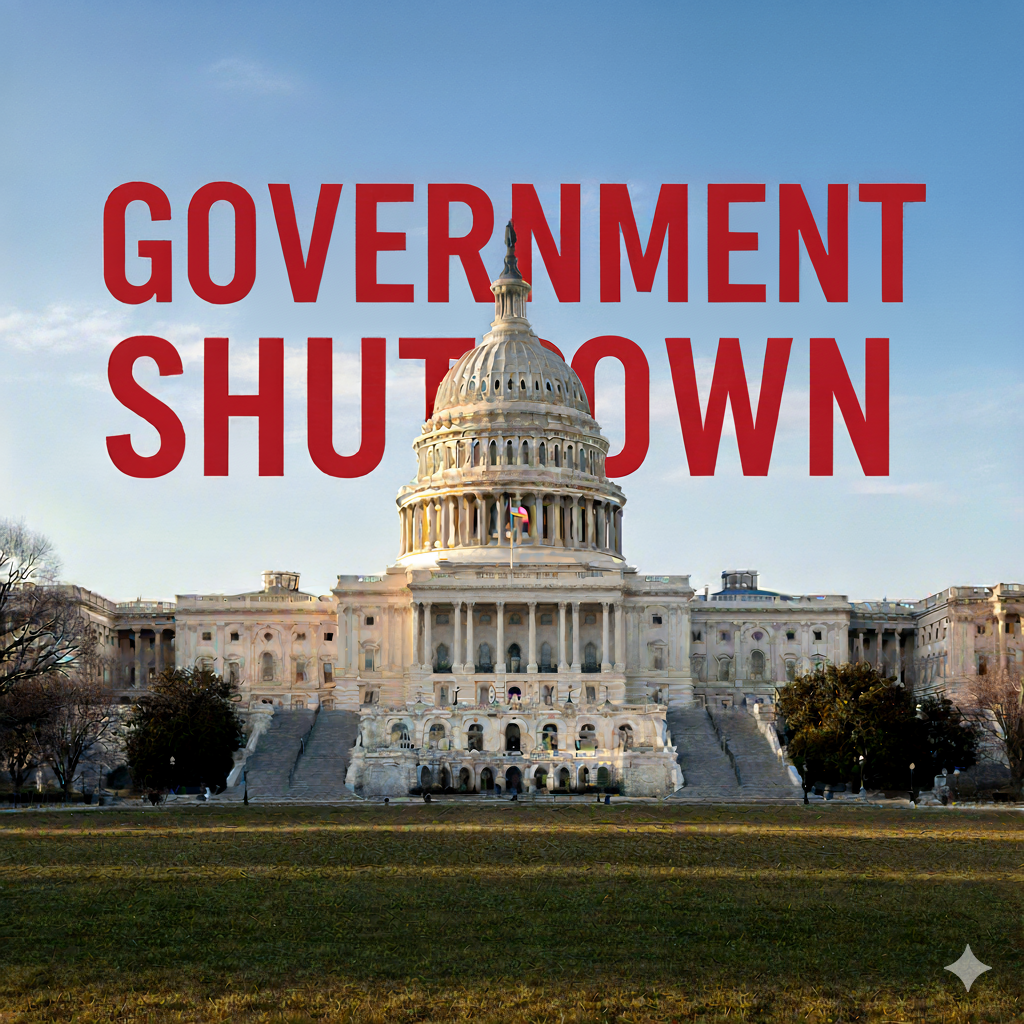
WASHINGTON – Congress is staring down a Sept. 30 deadline to extend federal funding and avoid a government shutdown after competing proposals from Republicans and Democrats were blocked Friday in the Senate.
The GOP-controlled House had already passed a stopgap measure to extend current funding into mid-November and add money for lawmaker security. The vote was almost entirely along party lines, with Republicans supporting the measure and Democrats opposing.
[Editor’s note: During the last government shutdown in March of 2025, the Treasury Department and IRS continued operations. However, some disruptions to customer service and delays in refunds and correspondence may occur.]
Republicans described their proposal as a “clean” extension of current funding that would give them time to negotiate longer-term spending bills. Democrats want to extend enhanced health insurance subsidies expiring at the end of the year and reverse Medicaid cuts in the so-called Big Beautiful Bill.
U.S. Rep. Veronica Escobar, D-El Paso, said in a news release Republicans have cut health care and nutrition programs while prioritizing wealthy Americans. “We want a government funding bill that helps you, not hurts you,” Escobar said.
Neither plan received the 60 votes required for most legislation to pass the U.S. Senate, and senators aren’t scheduled to be back in regular session until Sept. 29.
“House Republicans did our jobs and passed a government funding bill,” U.S. Rep. Keith Self, R-Texas, posted on X. “If the Democrats shut the government down over ONE TRILLION $ in unrelated policy demands, the American people will know who to blame.”
The last line of his post indicated House Republicans are not planning to come back to Washington before the deadline. “See you in October.”
Why would the government shut down?
The law says federal agencies aren’t supposed to spend money without an appropriation from Congress. The funding is supposed to be approved through a series of annual spending bills covering the federal fiscal year from Oct. 1-Sept. 30.
If Congress hasn’t passed its annual spending bills by the Sept. 30 deadline, it results in a shutdown.
Nonessential federal workers are furloughed without pay during a shutdown and agencies face restrictions on their operations, often disrupting services to the public.
The regular order of appropriations bills has devolved over the years as Congress has become accustomed to blowing through its Sept. 30 deadline.
Lawmakers typically approve “continuing resolutions,” which act as a legislative snooze button by continuing the previously approved spending bills a while longer. Members of the Senate minority party can block any proposal with a filibuster, which requires 60 votes to break under the rules.
Why is it often called a “partial” shutdown?
Congress can approve some but not all of the spending bills, meaning some agencies are funded and others are not. Some federal entities can operate for a time on leftover appropriations or fees they collect apart from the appropriations process.
And the federal government never really completely shuts down. Social Security checks will still be distributed and Medicare benefits will still be paid.
Those programs are often referred to as “entitlements” because they are enshrined in permanent law rather than funded by the annual spending bills.
And some federal operations in areas such as national security and air travel continue.
Federal workers who are deemed essential are expected to keep working without pay, including military personnel and federal law enforcement authorities.
Federal employees are entitled to back pay after a shutdown ends.
Can people travel during a government shutdown?
Yes, but they might face some difficulties if a shutdown drags on for weeks. TSA workers and air traffic controllers could stop showing up for work as they miss paychecks, resulting in staffing shortages along with canceled or delayed flights.
National Parks are likely to be closed during a shutdown so refundable travel arrangements are advised for anyone planning a Yellowstone visit when a potential shutdown looms. Passport renewals also could be delayed during a shutdown so be mindful of international trips.
Do members of Congress get paid during a shutdown?
Congressional paychecks continue despite despite a government shutdown.
The law prohibits members of Congress from altering their own pay, even to eliminate or reduce it, for the current session. They are only allowed to change salaries of future congresses.
Some will request their pay to be withheld during a shutdown and receive it after the fact, similar to federal workers. Others will collect their checks but donate their pay to charity.
_____
©2025 The Dallas Morning News. Visit dallasnews.com. Distributed by Tribune Content Agency, LLC.
Sign in to get access to this free resource, and all of our whitepapers and reports.

Download this content today!
Register Now Already registered? Click here to Log In