



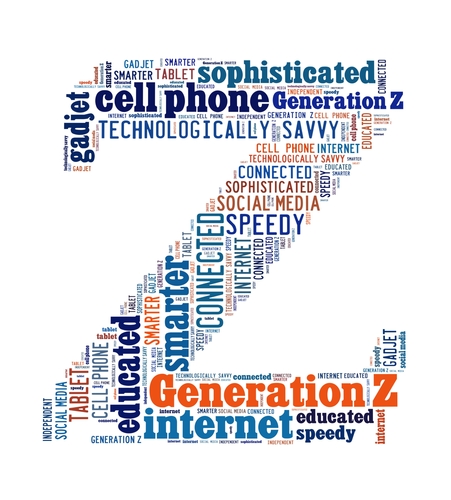
From recording TikToks that accidentally reveal client data to deliberately leaking company secrets on social media for likes, concerns over Gen Z’s handling of confidential information are driving changes in the workplace, according to the results of a new survey from password security and internet safety company PasswordManagers.com.
The survey of more than 1,000 business leaders reveals that more than half of respondents (52%) say they are very or somewhat concerned about Gen Z employees posing a security risk. Nineteen percent admit they don’t trust Gen Z workers to handle confidential information, and 45% believe they’re more likely than other generations to leak company details. In addition, nearly half (47%) think Gen Z workers would intentionally leak company secrets for likes or content on social media.

“The issue is that younger employees don’t always fully understand what counts as sensitive information, because companies often fail to clearly define and contextualize it,” says information systems and cybersecurity expert Gunnar Kallstrom. “While younger generations are often labeled as reckless, much of the problem stems from unclear guidance and outdated training that hasn’t evolved to match their digital habits.”
1 in 5 companies say Gen Z employees have leaked information
Eighteen percent of business leaders report a Gen Z employee has leaked confidential information, according to PasswordManagers.com.
Recommended Articles


Many business leaders say they’ve seen Gen Z employees inadvertently or deliberately expose sensitive information online. About 34% of business leaders say they’ve witnessed young employees record “day in the life” TikToks that revealed sensitive details, 29% report seeing employees filming in front of whiteboards or strategy decks, and 28% say Gen Z employees shared Zoom clips or screenshots from confidential meetings. Another 24% have seen employees post behind-the-scenes product demos before launches, and 23% report these employees using real customer data in skits.
Additionally, 41% say Gen Z employees have gossiped or shared private information with unauthorized people. A quarter of business leaders report seeing employees use company logos, contracts, or pay stubs in videos, and another 25% say employees posted screenshots of sensitive Slack or Teams chats online. About 23% have seen Gen Z employees share inbox screenshots as “corporate cringe,” and 21% report encountering “rage videos” where private details were deliberately exposed.
Respondents described examples including:
- “They’ve left work laptops unlocked and unattended with sensitive information open and on screen.”
- “They posted selfies on social media that had patient information in the picture.”
- “They leaked information on layoffs.”
- “They posted private meetings and agendas on TikTok.”
- “They have gone to journalists and leaked sensitive information about company practices and policies.”
The consequences include reputational damage (54%), client loss or strained relationships (52%), legal issues (47%), and financial losses (42%), according to survey results.
Security concerns affect hiring decisions
In response, 58% of companies have increased training and education around confidentiality, while another 18% are considering doing so. Still, 30% of business leaders say they avoid hiring Gen Z employees altogether due to security concerns.
“Companies should effectively train younger employees about security and confidentiality. This can be done by bridging the gap with tailored security training, modernized and clearly written policies, and open dialogue,” Kallstrom said.
Photo credit: Urupong/iStock
Sign in to get access to this free resource, and all of our whitepapers and reports.

Download this content today!
Register Now Already registered? Click here to Log In