

By Lorraine Mirabella
Baltimore Sun
(TNS)
Stanley Black & Decker, which employs thousands of workers in Towson, MD, will use some of the U.S. Supreme Court-ordered tariff refunds to give bonuses to executives, not to pay back consumers who had shouldered higher prices, a ProPublica investigation found.
The Connecticut-based toolmaker will receive at least $298 million in refunds, ProPublica said, and has not disclosed the amount slated for “incentive compensation.”
The company is one of at least nine that disclosed that tariff refunds will go toward bonuses and not consumers, ProPublica reported Monday. The world’s largest tool maker took on its current name after a 2010 merger between Towson-based Black & Decker and Connecticut-based Stanley Works.
Other companies taking similar steps include TJX, the Massachusetts parent company of TJ Maxx and Marshalls, and Titleist, the golf equipment brand, the story said. Dozens of other businesses said earnings from such refunds are used to determine executive bonuses, but did not disclose specific uses, the story said.
The nonprofit newsroom analyzed thousands of securities filings and earnings calls for publicly traded companies.
Stanley Black & Decker has facilities on Joppa Road and elsewhere in Towson, but said in August that it plans to close its Hampstead facility in Carroll County and lay off 55 employees. The company blamed a steady decline in production, a setback for a company that years ago had expanded in Baltimore County with new office space, a maker space for employees and the 2018 relaunch of the Craftsman tool line.
The company had raised prices after being subjected to new fees on imports in the wake of President Donald Trump’s tariffs.
In a call with analysts in February, the company’s CEO and president said the company took aggressive steps to mitigate the impact of tariffs, raising prices on products to pass tariff costs on to customers.
“Part of our tariff mitigation strategy has been pricing actions, and we are closely monitoring the market response,” to avoid hurting demand, CEO Christopher J. Nelson said during the call.
The Supreme Court struck down a major portion of the Trump administration’s tariff program in February, finding that the global tariffs violated an emergency powers law. A March 4 federal court ruling said importers are owed refunds for the overturned tariffs.
Stanley Black & Decker did not respond Tuesday to a request from The Baltimore Sun for comment. ProPublic said the company did not respond to questions about who is getting paid bonuses or how much they’re worth.
The refunds boosted the manufacturer’s most recent quarterly results. The company earlier this month reported $3.7 billion in third-quarter sales and said net tariff refunds strengthened its profit margins. Earnings increased to $1.83 per share, which included 67 cents per share from refunds.
Tariff refunds to businesses are expected to reach nearly $170 billion, including about $100 billion by late July 2027, according to the Federal Reserve Bank of Atlanta. In a business survey, the nation’s central bank found 10% of firms expecting refunds plan to give bonuses to managers, while nearly 13% plan to give them to workers. Most expected to keep them as cash or invest them in research and development or capital projects. Meanwhile, about a third planned to lower prices or offer customer rebates.
Though businesses typically keep one-off windfalls as cash, distribute funds to shareholders or support the firm’s investments, “these results also suggest that a nontrivial portion of tariff refunds directly benefit customers and employees,” Federal Reserve researchers said.
A customer from Wisconsin filed a class-action lawsuit against the company in June on behalf of consumers who bought DEWALT products at tariff-inflated prices. The plaintiff had bought a handheld blower, hedge trimmer, cordless impact wrench, cordless lawn edger, paddle switch grinder, pruning chainsaw and other DEWALT products last year.
The company “collected the economic burden of the tariffs from consumers through increased prices on DEWALT-branded products,” said the lawsuit, filed in U.S. District Court in Connecticut. Black & Decker “stands to recover the same tariff payments twice—once from consumers through tariff-inflated prices and again from the federal government through tariff refunds.”
Gregory Germain, a corporate law professor at Syracuse University, told ProPublica that executive bonuses are “probably the least just” way to use tariff refunds.
“It wasn’t anything the executives did that they should be rewarded for,” Germain said in the article. “It was a government mistake that resulted in a refund.”
The New York Federal Reserve Bank analyzed prices of a range of goods and found customers in the United States took on 26% of tariff costs, the story said. It said a study from Harvard Business School put the estimate at 43% and another study estimated Trump tariffs cost a typical American household about $1,000 last year.
Cornell University accounting professor Nick Guest, who studies executive compensation, countered in the ProPublic story that giving bonuses to leaders could be “reasonable” … “If they were penalized for something out of their control,” such as an impact on earnings.
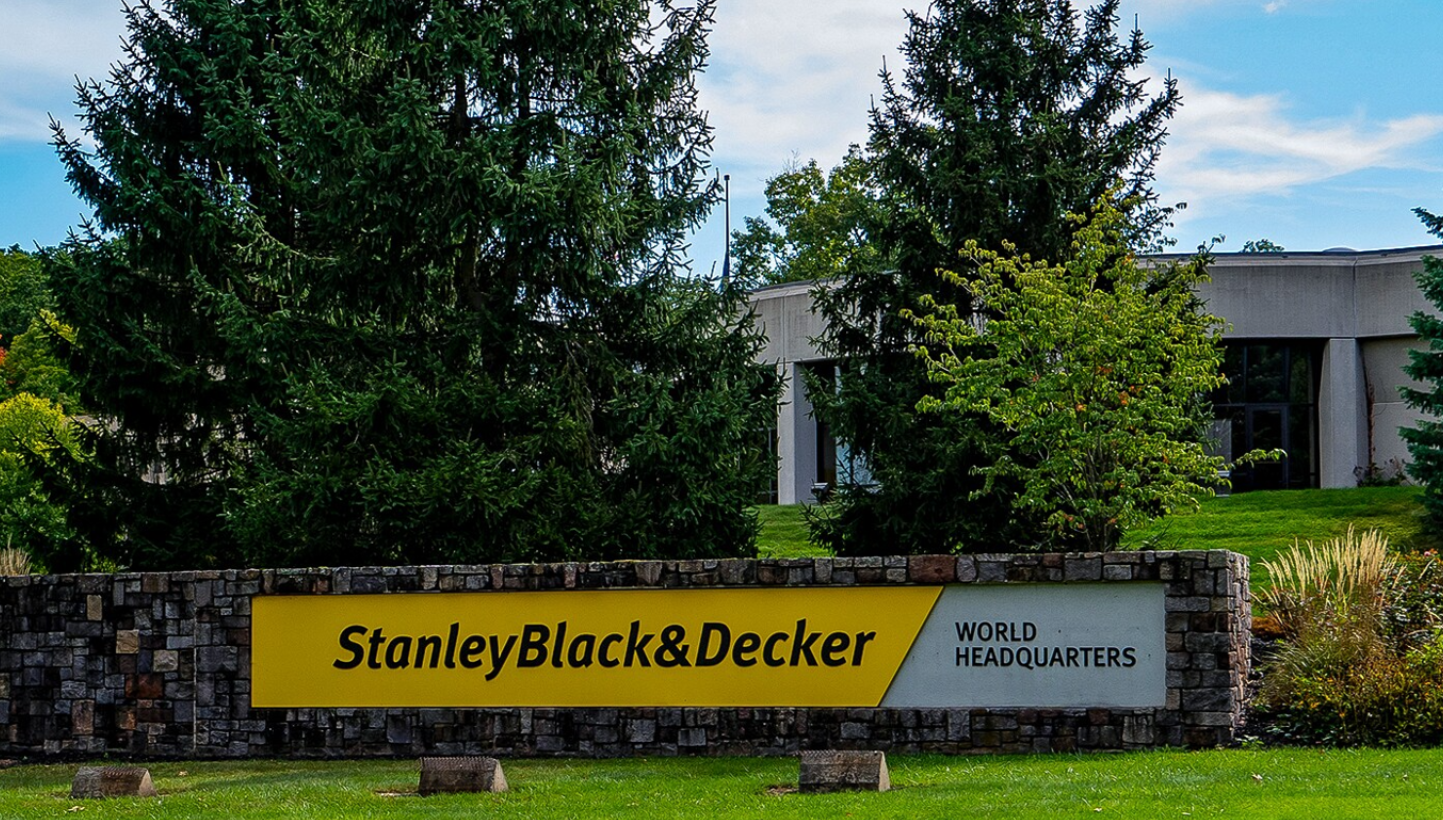
Photo credit: Stanley Black & Decker
_______
©2026 Baltimore Sun. Visit baltimoresun.com. Distributed by Tribune Content Agency LLC.
Sign in to get access to this free resource, and all of our whitepapers and reports.

Download this content today!
Register Now Already registered? Click here to Log In