

By Sasha Richie
The Dallas Morning News
(TNS)
Mako sharks can reach a top speed of nearly 50 mph. Perhaps that’s how “Shark Tank” entrepreneur Daymond John has kept up with the speed of business since starting clothing brand FUBU (For Us, By Us) in the ’90s.
The Shark took the stage at the LevelUp entrepreneurship conference at the Hilton Anatole on Thursday to speak to small business owners about how they can use artificial intelligence to help grow their businesses. Dallas-based HighLevel, which makes an all-in-one, AI-powered business operating system, put on the conference.
John sat with The Dallas Morning News on Thursday for a conversation about his perspective on AI, and here are the highlights, edited for length and clarity:
Q: Why is it important to share the benefits of AI with small business owners?
Daymond John: I think that AI is being overlooked by small businesses. I know large corporations have to embrace it. It’s a mandate, right? But I do think that the small mom-and-pop businesses can actually really level the playing field with it, because in a large corporation, you have all your lawyers and your structure and this and that. I don’t know the stat these days, but I think it’s like 31 million small businesses in the country, and 22 million of them are one-man mom-and-pop shops. Those one-man mom-and-pop shops are one-man, mom-and-pop, right?
Think about all the stuff that AI could take off of their plate that they didn’t ever want to do when they started the business anyway. They just wanted to bake their cookies. They just wanted to cut the hair, or they just wanted to be a plumber. They didn’t want to do billing. They didn’t want to do legal. They didn’t want to do design and all that type of stuff. And I think AI right now is just giving them so many opportunities to then be able to take some of the mundane tasks off of their plate, and then be able to focus on what they really started the business for.”
Q: How can small businesses balance using AI to help them scale with some of the backlash we’ve seen to small businesses using AI for things like menus and art?
John: I think that if you totally depend on a tool, if you don’t have your human touch on anything, I think that it’s—you’re being lazy. So yeah, there’s always gonna be lazy people, and they’re gonna wonder why they failed, or they’re gonna be people who are ingenuine, or they’re gonna be crooks, 100%. But it’s not for me to concentrate on those people.
I think we’re going to go into the stage where we’re almost like, AI with analog. People are going to love to see the realness of something with a little bit of touch of newness, but they want to see that you put in the effort. So your history of putting the effort into something is … you can’t cheat that. Like, yeah, you can design a whole fashion line and you can print out AI if you want, no problem, and maybe that’s to a lower-end community. But somebody who wants to know that you put in time wants to know that it’s still hand-stitched, or whatever the case is. I think (AI), it’s a tool.”
Q: Do you look back on when you started FUBU and wish you had AI back then to help?
John: Oh my god. Well, you know what? You know, everything happened for a reason. I don’t know. If I knew that every kid could get up and do what I do, or they could have copied me very fast … I don’t know.
Q: Are there things you think it would have helped with?
John: Oh yeah, sure. For me to get the design, a shirt made, it was nine months. I had to do it with cash, DHL it over to China. They’d send it back and forth, duh-duh-duh. There was no *beep noise*.”
Q: How have you seen business change over these past decades, and how has technology specifically aided that?
John: Oh, it’s night and day. You know, from social media being created to overnight printing, overnight delivery, to the sourcing, where it can be sourced from 3D printers and how it can be made now, samples and things like that. I mean, what used to take us a year now takes somebody a month, from all the ways to bill and charge people and to talk to them directly. If I took out an ad in The Source magazine, it wouldn’t come out for three months from the day that I shoot it. Your ad right now will come out in 30 seconds if you want to, and you’ll talk directly to the people you want to.”
Q: You’ve been on “Shark Tank” since it began airing in 2009. How have the businesses that pitch you all changed with time?
John: “Shark Tank” is a true reflection of what changes in the economy. You’ll see a lot of health and wellness this year on “Shark Tank,” but again, you’ll see it all. It really is. I mean, you won’t see ‘sin products’ for the most part, but you will see non-alcoholic beverages, because the kids are not drinking anymore. “Shark Tank” is truly a reflection. When we started “Shark Tank,” we were going through tough times as an economy. Now, what’s happening with tariffs and all that, you’re seeing that all repeating itself.”
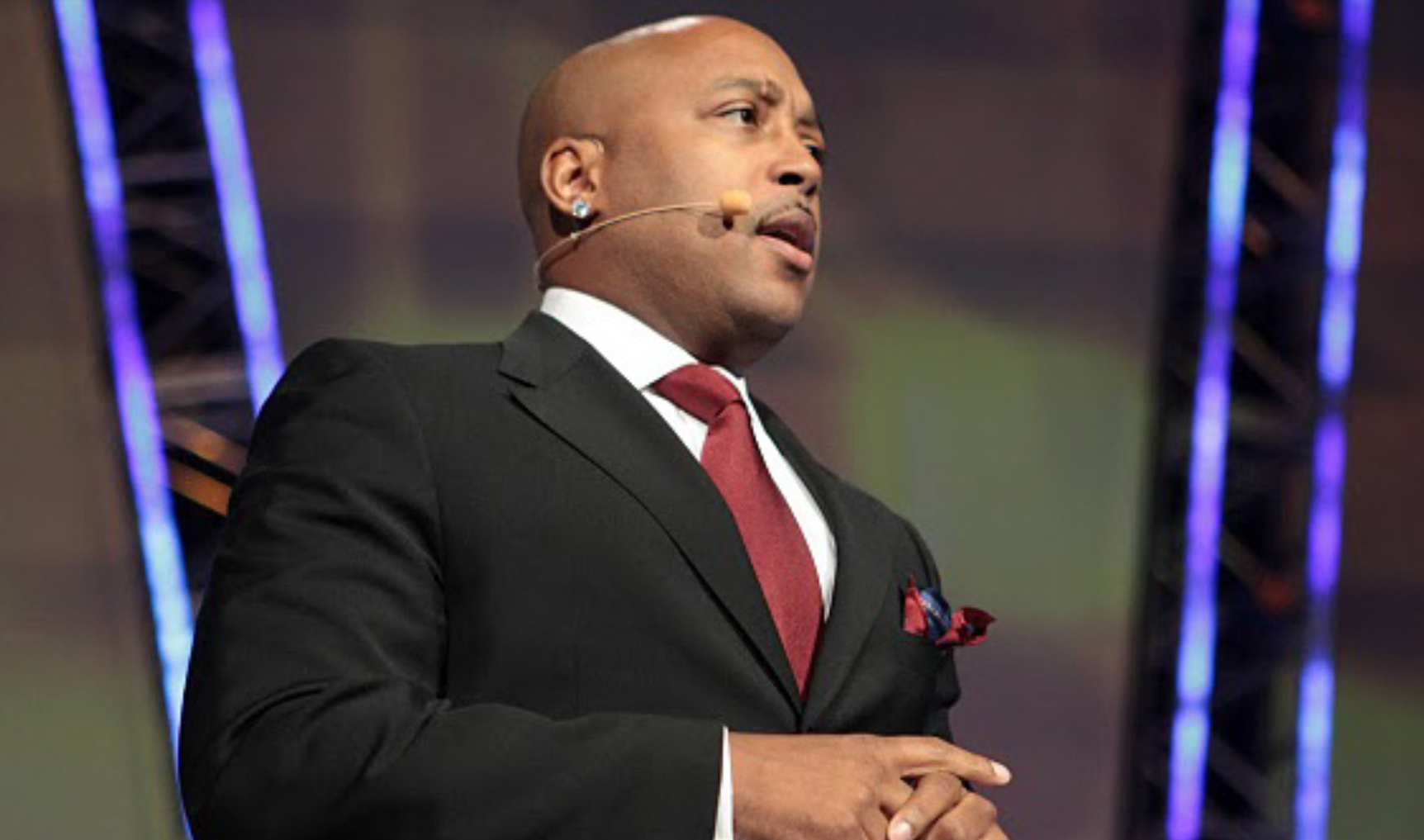
Photo caption: Daymond John (4hourworkweek/Flickr/Wikimedia Commons)
_______
©2026 The Dallas Morning News. Distributed by Tribune Content Agency LLC.
Sign in to get access to this free resource, and all of our whitepapers and reports.

Download this content today!
Register Now Already registered? Click here to Log In