

By Hallie Lauer
Pittsburgh Post-Gazette
(TNS)
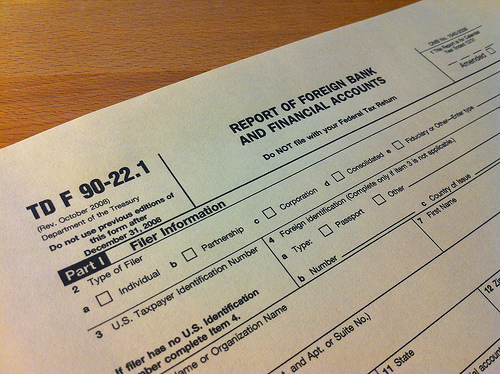
As Pittsburgh officials are looking to stave off a financial crisis, one City Council member has suggested enacting a new tax on unearned income.
Councilwoman Barb Warwick introduced legislation Tuesday morning that would add a 2% tax to income sources like dividends, royalties, the sale of property and in some instances money made from rental properties.
The new tax could bring in about $51 million a year, Warwick said, almost double the revenue coming in from last year’s 20% property tax increase.
Pittsburgh officials have been working on a plan to stabilize the government’s finances at a time when budget projections show the city running out of money in the next five years.
“Up until now, most of the conversation has been around budget cuts,” Warwick said. “But let’s face it, federal cuts to critical services like food assistance, housing assistance and Medicaid, as well the many federal grants that we depend on, are a key reason that we are in this situation in the first place.”
Recommended Articles

Mayor Corey O’Connor’s administration has proposed eliminating vacant positions from the budget and, more controversially, suggested eliminating contributions to the Housing Opportunity Fund—which helps first-time homebuyers and the development of affordable housing—and the Stop the Violence Trust Fund.
The O’Connor administration has said the only way to stabilize Pittsburgh’s finances in the long term is by growing the population, but other city officials, while supportive of that plan, are looking for something that will help in the more immediate future.
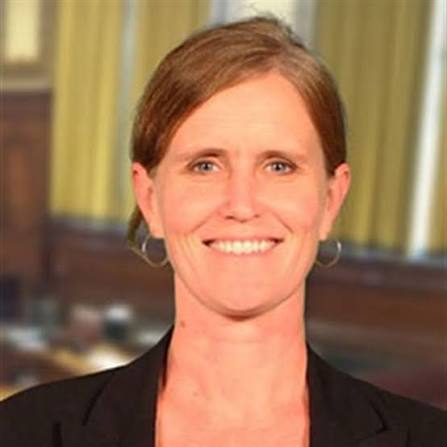
Warwick’s newly proposed tax, and the revenue it could bring in, has not been included in the 2027 budget. If passed by the rest of council, it’s likely the city wouldn’t be able to start collecting the new tax until 2028 at the earliest, Warwick said Tuesday morning.
Pittsburgh’s critical financial position comes partially from overestimating revenues and underestimated expenses by the previous mayoral administration, according to O’Connor, but there have been other external factors that have severely impacted its bottom line.
“Between inflation, skyrocketing gas and utility costs, the loss of the jock tax, the end of the American Rescue Plan and a countywide property reassessment that is not due until 2030, our financial situation here at the city of Pittsburgh is dire,” Warwick said Tuesday morning.
Warwick has been at the forefront of exploring alternative sources of revenue and had initially proposed a 30% property tax increase last year. Compromise with other council members brought that number down to 20%.
During last year’s debate over the budget, Warwick hosted an educational meeting detailing some of the other revenue streams the city could potentially utilize. Unearned income was one of the options.
If approved, Pittsburgh would become the second municipality in Pennsylvania that collects this type of tax. The city of Philadelphia has had a similar tax in place since the 1960s, where the funds from unearned income taxes go toward supporting the Philadelphia school district.
Already, concerns about the city’s legal authority have arisen, but Richie Feder, a Philadelphia-based municipal lawyer, expressed confidence that Pittsburgh had firm ground to stand on.
“Whenever anybody proposes a new tax, people feel uncomfortable,” he said during a virtual press briefing with Warwick Tuesday morning. “This tax comfortably fits within Pittsburgh’s taxing authority and does not present any legal difficulties.”
While state law prohibits local governments from double-taxing anything the state already levies, another statute says that rule doesn’t apply to the personal income tax, Feder said.
The state constitution’s uniformity clause does not apply to this situation because earned income and unearned income fall under separate categories within the ruling, Feder said.
The uniformity clause was part of the reason the city’s jock tax, levied on athletes and performers using the three major stadiums, was struck down by the state Supreme Court because it taxed nonresidents differently than residents.
“Based on my long experience, [the unearned income tax] should not present any legal difficulty whatsoever,” Feder said.
Pensions, 401(k)s, unemployment benefits and federal active duty pay for military services and would be exempt from the tax.
Warwick’s legislation has been backed by a recently released report from Keystone Research Center, a Harrisburg-based think tank. Former city Budget Director Jake Pawlak, who long maintained the city was on stable financial footing, now serves as the Pittsburgh director of strategic policy initiatives for the research center.
The report claims the majority of the new revenue for the city would come from Pittsburgh’s richest residents.
“Pittsburgh’s current income tax system places a disproportionate burden on working families, but by adding a fair share tax, the City can meet its needs and make its tax system fairer at the same time.” Diana Polson, Keystone Research Center’s policy and research director said in a news release.
Dubbed the “Fair Share Tax” the goal of the proposed tax, other than bringing in new revenue, is to diversify where the revenue is coming from, Warwick said.
“Under the city’s 1% wage tax, salaried and hourly workers in Pittsburgh are taxed on every dollar they bring home,” Warwick said. “Our wealthiest residents, on the other hand, who receive income from investments and other non-salary sources, are not taxed by the city on all that additional income.”
This scenario, she said, creates an “unfair burden” on lower- and middle-income households.
For the highest-income households in Pittsburgh, the tax works out to about $200 for every $10,000 in capital gains, Warwick said—a payment she said would hardly be felt by those residents.
“That’s less than a trip to the grocery store for a family of four these days,” she said. “For someone at that extreme income level, earning anywhere from a quarter of a million dollars a year to two million plus [dollars] … is negligible. It has zero impact on quality of life.”
Photo credit: Geoffrey Gu/Unsplash
_______
© 2026 the Pittsburgh Post-Gazette. Visit www.post-gazette.com. Distributed by Tribune Content Agency LLC.
Sign in to get access to this free resource, and all of our whitepapers and reports.

Download this content today!
Register Now Already registered? Click here to Log In
Tags: budget, Pittsburgh, Taxes, unearned income tax