


The tax law isn’t as “giving” to casualty loss victims in the past. Currently, if you suffer a loss to personal property due to an event outside of a federally-designated disaster area, you can no longer claim any deductions. As shown in a new case, Predmore, TC Bench Op., Dkt. No. 9391-25S. 9/25/26, the Tax Court is a stickler about the latest casualty loss rules.
Background: Prior to 2018, you could deduct losses to personal property that were caused by a “sudden, unexpected, or unusual” event. Typically, this included damage or destruction from natural disasters inside a federal disaster area, such as hurricanes and tornadoes. But you could also claim deduct losses from other events like, say, say, an automobile collision or water pipes bursting during a winter freeze.
The amount of deductible loss was reduced by any insurance reimbursements you received. Furthermore, two key limits applied to deductions.
- You could deduct only the excess above 10% of your adjusted gross income (AGI).
- The amount of the loss had to be reduced by $100 for each event.
For example, if your AGI was $100,000 and you incurred an unreimbursed loss of $20,000, your deduction was limited to $9,900.
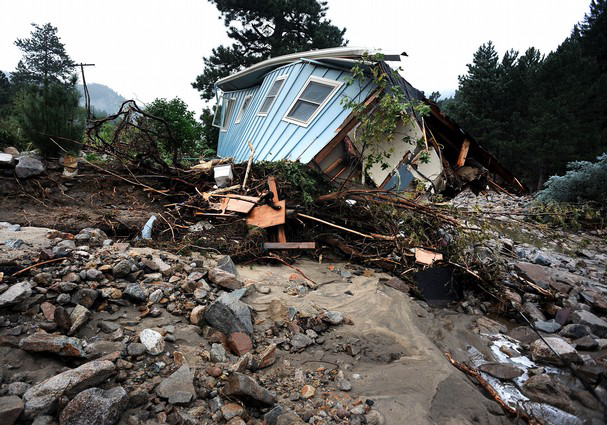
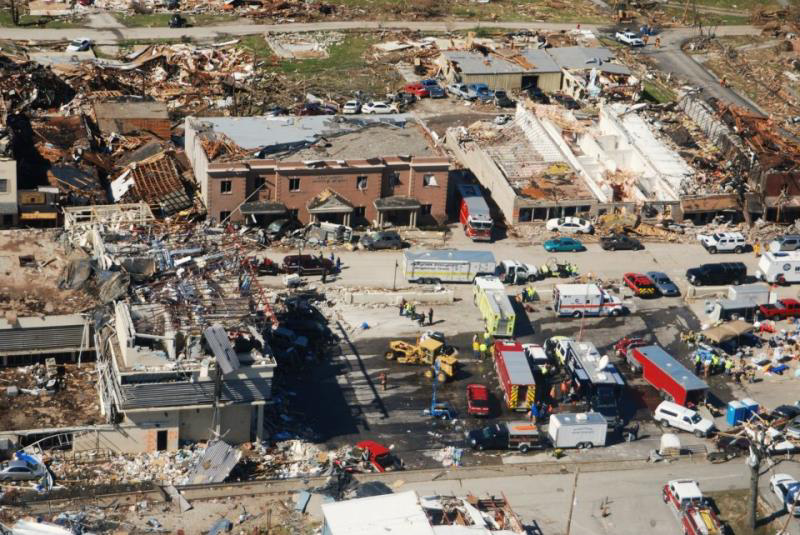
Tax climate changes: Under the Tax Cuts and Jobs Act (TCJA), deductions for losses from casualty losses were generally suspended, except for losses in presidentially-declared disaster areas, from 2018 through 2025. In 2025, deductions for losses not incurred in a federal disaster area were permanently eliminated by the One Big Beautiful Bill Act (OBBBA) for 2026 and thereafter,
Subsequent legislation allowed loss deductions for damage incurring in state-declared disaster areas, temporarily permitted non-itemizers to deduct qualified casualty losses, removed the 10%-of-AGI limit for qualified losses and increased the applicable dollar floor per event from $100 to $500. It also excluded from taxable income qualified disaster relief payments due to wildfires.
Recommended Articles

In the wake of these changes, the tax outlook may have improved for some taxpayers, but other homeowners who suffer losses are still on the outside looking in.
Facts of the new case: In December 2021, the taxpayers, a married couple, moved into a new home they had purchased in Muncie, Indiana. Unfortunately, just a few days later and only two days before Christmas, a fire caused by a cracked chimney destroyed a substantial section of their new home.
The couple contacted their insurance company immediately and started receiving insurance payments within a month. The couple initiated the process of repairing the home once they began receiving payments.
On their 2021 tax return, the couple claimed casualty losses totaling $315,000. Prior to the new Tax Court decision, they acknowledged that the deductions were claimed in error but disputed hefty accuracy-related penalties added by the IRS. Despite expressing its sympathy for the couple’s predicament, the Tax Court has sided the IRS.
Some tax consolation: If a loss is suffered in a federal disaster area, an individual may claim the loss on the tax return for the year preceding the year of the event. For example, if a qualified loss is incurred in January 2027, the loss may be claimed on the taxpayer’s 2026 return filed in April 2027 instead of having to wait until 2028. In other cases, the taxpayer may be able to file an amended return for the prior tax year to obtain faster tax relief.
Sign in to get access to this free resource, and all of our whitepapers and reports.

Download this content today!
Register Now Already registered? Click here to Log In
Tags: casualty loss, disasters, Income Taxes, tax court, Taxes