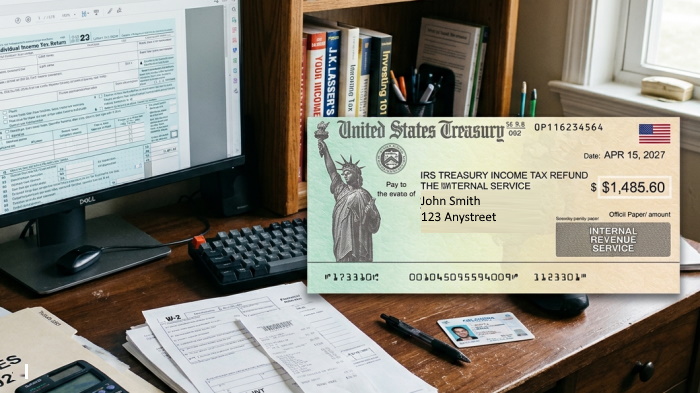


Although most Americans don’t really focus their attention on taxes until March or April of each year, October and early November is the best time to take actions that can reduce your tax bill or increase your 2027 income refund. Some changes can be made right up until Dec. 31, and some retirement savings actions can even be made in the new year.
With about two months left in the year, there’s still time to take steps, such as charitable giving, adjusting retirement contributions, planning for capital gains, deciding whether to make purchases, and verifying withholding or estimated taxes have been appropriate.
Taxpayers wanting to optimize their tax situations before the end of the year should use a professional, such as a CPA or Enrolled Agent.
“Tax surprises are easier to avoid when you plan ahead,” said Garrett Wagner, CPA/CITP, the host of CPA Practice Advisor‘s 2026 Ensuring Success CPE Conference. “Talk with your tax professional today, while there’s still time to act before year-end.”
The American Institute of CPAs recommends that taxpayers take action before the end of the year to help prepare for the spring 2027 tax filing season. “Taking action before the end of this year can be a huge benefit to your financial health in 2026,” says Dan Snyder, CPA/PFS, director of AICPA personal financial planning.
Recommended Articles


Tax tips
- Charitable giving: Tax laws have changed with regard to charitable donations. Check with your tax professional for possible charitable giving strategies that fulfill your giving intent, but can also reap tax benefits.
- Check your W4 withholdings: Accurate withholding helps ensure that you are paying enough tax through payroll and reduces the chance that you will owe a significant amount on your next tax return.
- Senior bonus deduction: Taxpayers age 65+ with AGI under the limits may claim a $6,000 deduction for 2025-2028. Qualifying taxpayers may want to consider ways to reduce their taxable income to qualify for the deduction.
- Check your qualifications for deductions on tips and overtime: Applicable for tax year 2026 (through 2028), a new federal tax deduction is available on overtime and tips. There are income phaseouts and reporting requirements for these deductions.
Personal financial planning tips
- Update beneficiaries if necessary: This can be an easy way to save yourself and your heirs from an expensive mistake. Review your designations for items like life insurance and retirement plans and make sure beneficiary names are updated. Beneficiary forms supersede will and trust directives when settling an estate
- Plan for education: Recent changes to legislation, in particular, for 529 plans, may qualify contributions for state tax deductions and allow gifting up to IRS limits but these contributions need to be made by the end of the year. You may also wish to look into the benefits of a Trump Account for your children’s education.
- Harvest your investment losses and gains: Align your harvesting strategy with current and projected income levels to make the most of available tax thresholds. Consider selling investments that have declined in value to offset capital gains to reduce your taxable income. If you are in a lower tax bracket or have unused losses, you might benefit from selling appreciated assets to lock in gains.
- Spend through flexible savings accounts: Now is the time to “use it or lose it “when it comes to Flexible Savings Accounts (FSAs) or Limited FSAs. Some FSAs will allow you to carry over a certain amount, so be sure to check your individual plan to see if any of those funds carry over into next year.
- Take all of your required minimum distributions (RMDs): If you miss the deadline, you could be subject to a 25% penalty on the portion of your RMD you failed to withdraw.
- Catch up on your 401k contributions: If you are over the age of 50, you can contribute up to $32,500 to your 401k plan in 2026. There is a “special “Super Catch Up” rule for those aged 60-63 that allows additional contributions for a total allowable contribution of $35,470 for 2026, with additional strategies that can allow even more. Make sure you’ve maximized your contributions and make plans to modify your contribution amounts for 2027.
- Take advantage of Medicare open enrollment: Medicare open enrollment ends December 7, 2026. Evaluate your prescriptions, potential changes in insurance drug lists and how effective the plan you currently have has been for your health needs.
- Consider a Roth IRA conversion: Consider converting traditional IRA funds to Roth IRAs if you expect higher future tax rates and fits your retirement (to allow tax-free distributions) and estate plans (heirs would inherit tax-free asset).
“Talk with your CPA or CPA Personal Financial Specialist (CPA/PFS) as soon as possible,” says Snyder. “They have the knowledge to best help you with taxes and much more for this year and next. The more communication you have with him/her, the better they can help you plan for your financial future.”
Sign in to get access to this free resource, and all of our whitepapers and reports.

Download this content today!
Register Now Already registered? Click here to Log In