



By Alice Yin
Chicago Tribune
(TNS)
A majority of City Council members came out Monday in opposition to Mayor Brandon Johnson potentially taking another go at a corporate employee head tax in the upcoming 2027 budget.
The letter signed by 29 aldermen is an early attempt by Johnson’s council opposition to stake out its territory ahead of the mayor’s fourth budget address next month.
Johnson has not confirmed what he will propose in his spending plan for next year to close a projected $882 million gap, but progressive allies have clamored for another try at the employee head tax despite his failed attempt to pass one as part of this year’s budget.
Now, the 29 aldermen are sending him an early warning to give up on that idea.
“A great city should court employers, not punish them for the act of putting people to work,” the letter says. “We will not support a head tax, or any levy that makes it costlier to keep and create jobs for Chicagoans.”
Recommended Articles

Taxes December 17, 2025
Citadel Leaves Chicago Tower as City Alarmed by ‘Job Killer’ Tax
Taxes December 9, 2025
Chicago Mayor Tweaks Head Tax Plan to Target Bigger Companies
Taxes November 18, 2025
Chicago Mayor’s Head Tax Plan Defeated in Council Committee Vote
Taxes November 12, 2025
Chicago Mayor Floating Change to Head Tax Proposal, Sources Say
Progressive Caucus members Ald. Desmon Yancy and Ronnie Mosley were among the signees, as was Johnson’s Finance chair Ald. Pat Dowell. 29 is not veto-proof, however, and the demands rehash many of the same disagreements between Johnson and City Council in the 2026 budget that has had a rough implementation.
The Monday letter also calls for no property tax increases, which is no surprise for an election-year budget, cracking down on city-owned debt and “No reliance on Springfield revenues that have not been approved.” The Chicago school board approved a 2027 budget that does just that in order to avoid layoffs.
“Our first demand is simple: reduce the recurring cost of City government before asking anyone to pay more,” the letter says. “A one-time expense does not justify a permanent tax. A program launched on temporary federal dollars should not quietly become a standing obligation of Chicago’s taxpayers. And new discretionary spending deserves a second look before anyone is asked to pay more.”
Last Friday, a coalition of left-leaning unions and advocacy groups under the “People’s Unity Platform” held a rally in support of a “big corporation tax,” though details on how big is “big”—minimum 100 employees or 500—differed between its paper fliers and website.
Ishan Daya, co-director of a member of the coalition, Institute for Public Good, said those numbers were “out of date” and the most important part of the group’s platform was the call to raise at least $100 million from a head tax, regardless of headcount and surcharge amount. He added, “the platform is tying it to a sunset for if/when the city implements a corporate income tax that raises at least $100m (of course, dependent on the state lifting the constraint on the city).”
Johnson a year ago pitched a $21-per-employee tax on companies with over 100 employees; negotiations at one point moved it to a $33-per-employee monthly tax on companies with over 500 Chicago employees. Ultimately, aldermen voted it down in a committee led by Dowell.
Asked on Friday whether he believes a 500-employee floor is a better starting point, Johnson did not answer directly, instead broadly endorsing the city’s need for progressive revenue and returning to an argument he frequently makes when talking about Chicago’s finances: “It’s only right that the ultra-rich and these big corporations put more skin in the game.”
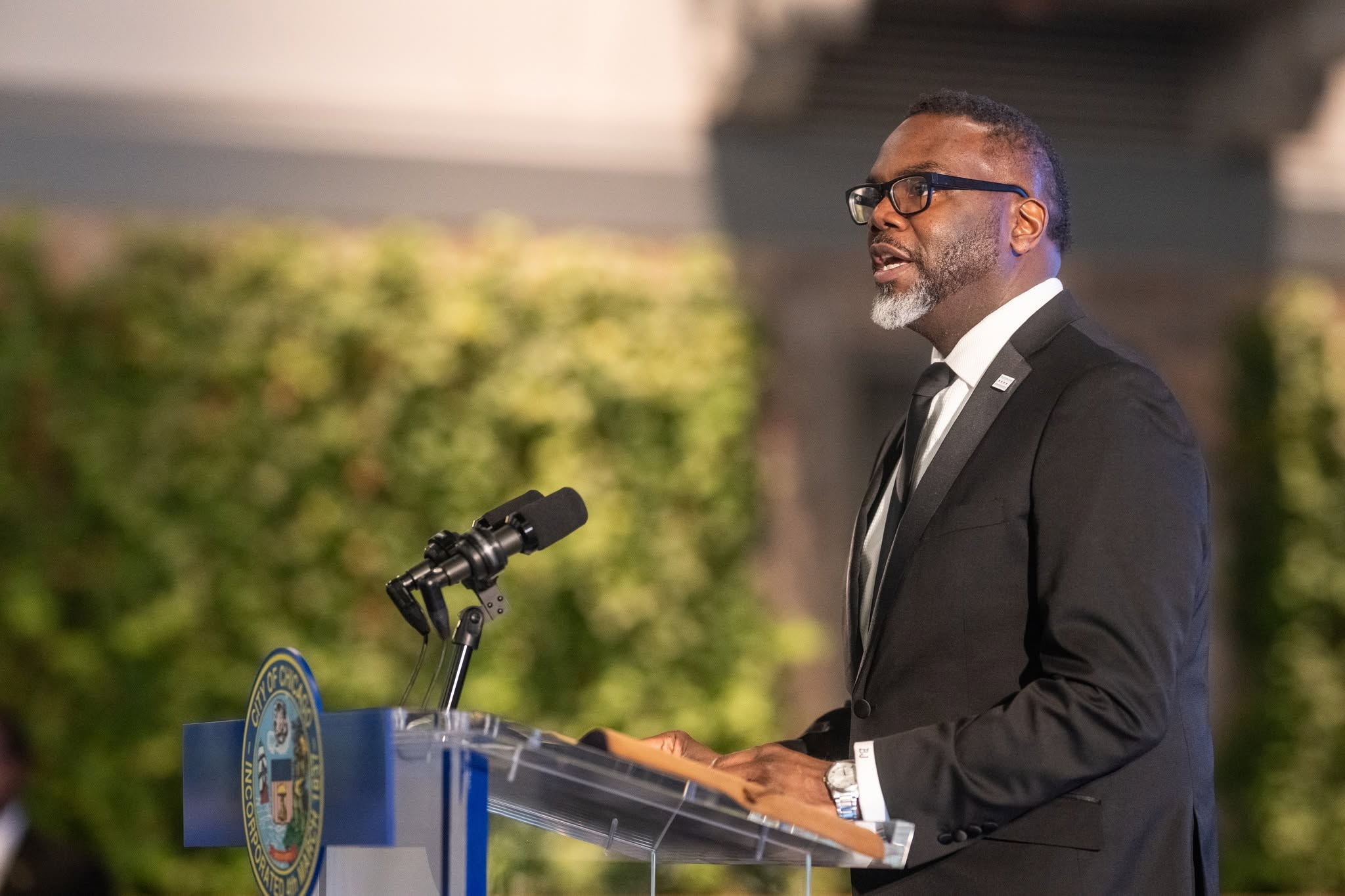
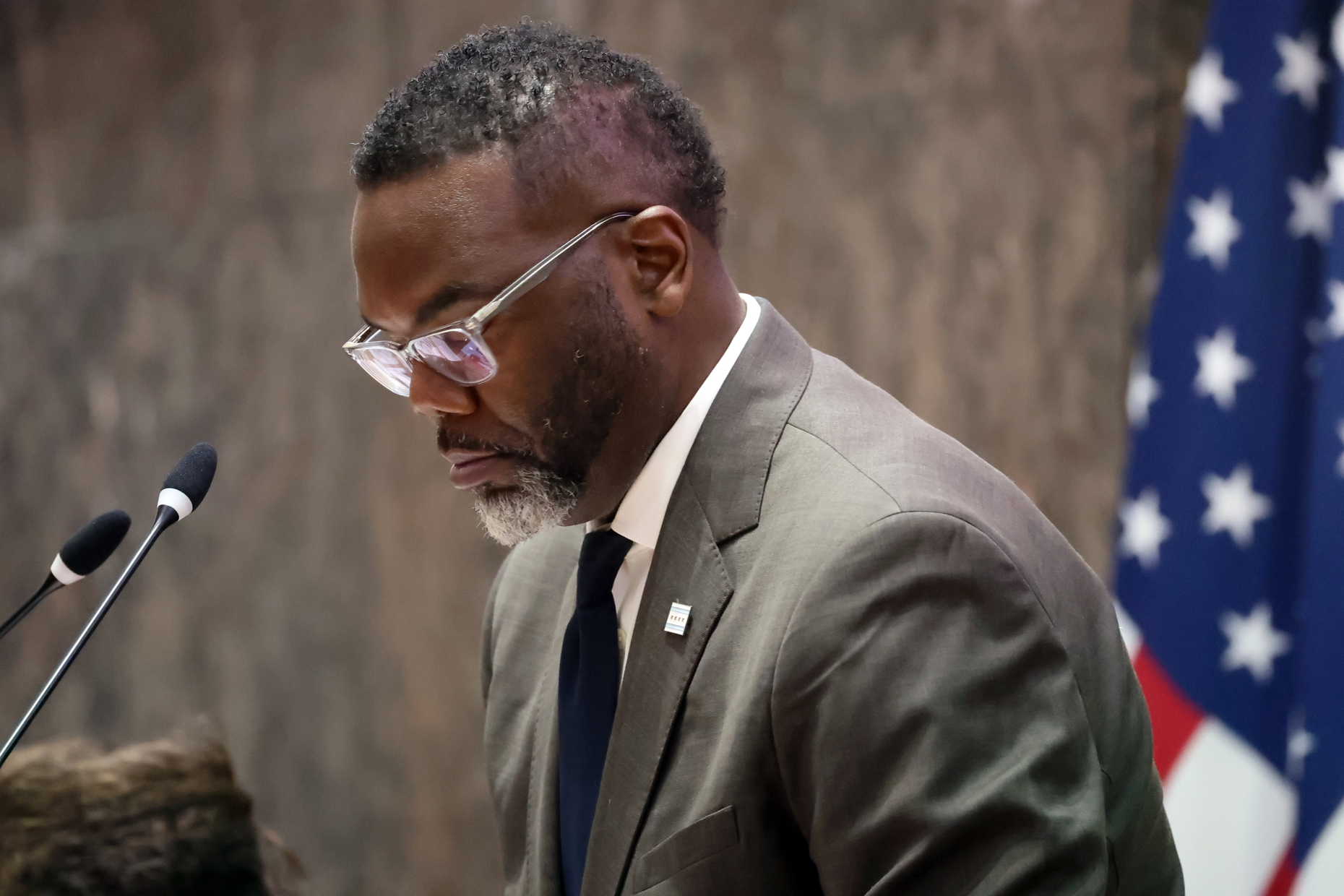
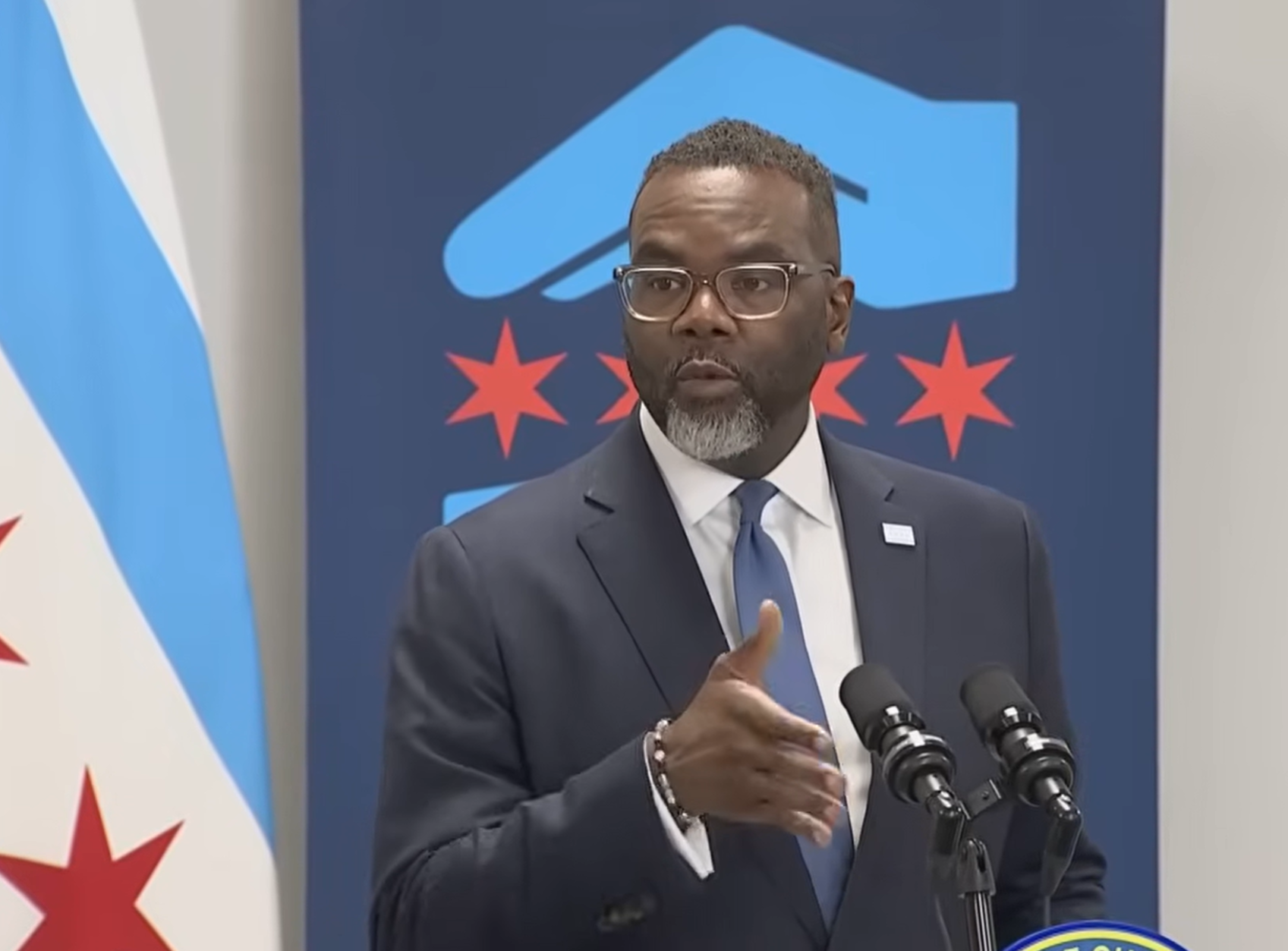
Photo caption: Chicago Mayor Brandon Johnson (Chicago Mayor’s Office/Facebook)
______
©2026 Chicago Tribune. Visit chicagotribune.com. Distributed by Tribune Content Agency LLC.
Sign in to get access to this free resource, and all of our whitepapers and reports.

Download this content today!
Register Now Already registered? Click here to Log In