



By Luke Peteley
Staten Island Advance, N.Y.
(TNS)
STATEN ISLAND, N.Y.— A heated court battle over New York City’s implementation of a second-home property tax surcharge revealed Monday that at least 6,700 homeowners who received threatening notices in July should never have been contacted, according to arguments presented before a Staten Island judge.
Attorney Randy Mastro—who is representing two Staten Island residents in a lawsuit regarding the city’s initial publication of 950,000 homeowners as part of the initiative—called the situation a “botched rollout of unparalleled proportions.”
Mastro has argued the city violated the state law under which the surcharge was created, by placing the burden on residents to prove they live in their homes as primary residences, rather than making individualized determinations first. He was referring to a list of 17,000 homeowners, pulled from the 950,000, who were sent threatening letters in July.
City attorney Steven Banks, representing the Department of Finance, argued that the petitioners lack standing because no final determination was made by the city on who would owe the surcharge, and no damages were incurred as a result of releasing the tax roll.
Two of the three plaintiffs named in the lawsuit are from Staten Island—Rachel O’Brien and Carmine Morano, the wife and father of Councilmember Frank Morano, respectively.
It’s been determined that none of the plaintiffs are subject to the tax, which the city argued should lead to the suit’s dismissal.
Ongoing court battle
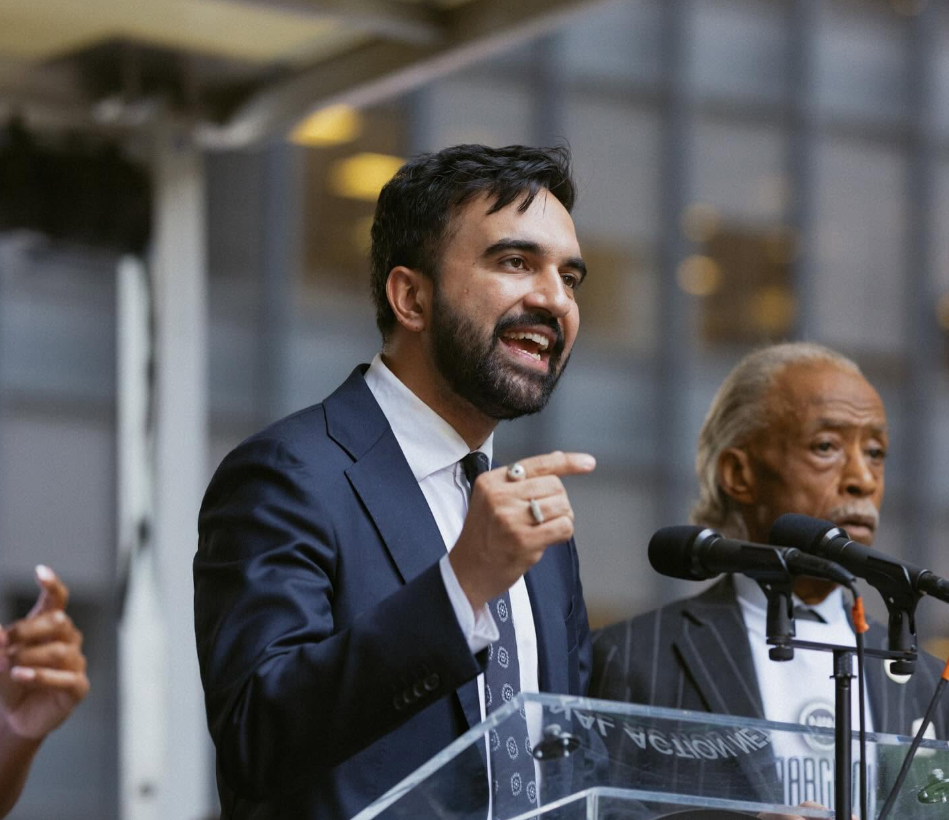
As part of Mayor Zohran Mamdani’s pied-à-terre tax rollout, a supplemental tax roll of approximately 950,000 names with Class 1 and Class 2 properties were released in July on the city’s website. Tax rolls have been public information for much of the city’s existence, but rarely so well-publicized.
The city then initially sent notices directly to 17,000 homeowners indicating they might owe the surcharge.
Recommended Articles


According to Mastro, since the lawsuit was filed, more than 2,850 New Yorkers from that list received exemptions after submitting personal information; another 2,650 filed for exemptions, and 1,210 others, including Mastro himself, received letters indicating they are not subject to the surcharge.
Mastro, who was former Mayor Eric Adams’s first deputy mayor, has argued the city’s method of rolling out the program violated state law from which the surcharge was approved, and asked the court to block the policy.
Property owners are asking the city to rescind the letters, remove from public view a database of nearly 1 million properties posted as part of the rollout, and restart the process after more precisely determining which properties should be subject to the tax.
Earlier this month, a Staten Island judge pressed pause on the tax initiative, but an appeal by the city undid that move.
‘No harm that is cognizable’: NYC
Banks argued Monday that the city followed the states’ statute and rules, which required the city use data from the most recent tax year. The city has said the 2025 tax returns would not have been available until February 2027.
The city initially identified 26,000 potential properties that might owe the surcharge, which was then first narrowed to 17,000, and now 10,800.
“It’s not unreasonable to ask owners to provide such information,” Banks said, arguing this is not a burden shift.
He called the case “a policy dispute dressed up as a case in controversy” and said petitioners “rushed to court based on non-final agency determination.”
“There is no harm that is cognizable,” Banks said, arguing the city’s actions were part of an “iterative process” to reach final determinations.
Mastro countered that the city did receive 2025 tax documents from the state this month, which they’ve used to help to now narrow down the list. The city also has since excluded individuals with existing exemptions such as school tax relief, senior citizen exemptions and veterans exemptions.
‘Those people were put through hell’: Mastro
Mastro questioned why the city did not initially use 2024 tax returns, which were available, to narrow down the list internally, and criticized the continued publication of a supplemental roll listing the names, addresses and property values of those potentially subject to the surcharge.
“Those people were put through hell,” Mastro told the court. “Where we are today is not right. People have been harmed.”
“The City has now been forced in its response to admit a massive screwup,” Mastro added, calling the city’s response full of “damning admissions.”
He said the list of 10,800 people still receiving letters includes properties through trusts, LLCs or partnerships, which he called common forms of ownership. He argued the city made no effort to match trust or LLC names to tax records.
“I see a city administration that keeps passing the buck,” Mastro said.
Judge Wayne M. Ozzi, who himself appears on the disputed tax roll list, is presiding in the case. He indicated on Monday that there are serious legal issues that need examination and will issue a written determination.
Photo credit: alice_odessa/Instagram
_______
© 2026 Staten Island Advance, N.Y. Visit www.silive.com. Distributed by Tribune Content Agency LLC.
Sign in to get access to this free resource, and all of our whitepapers and reports.

Download this content today!
Register Now Already registered? Click here to Log In