



By Mark Ballard
The Advocate, Baton Rouge, La.
(TNS)
(Aug. 15) WASHINGTON — With the primary losses of Democratic Connecticut Rep. John Larson on Tuesday and Louisiana Republican Sen. Bill Cassidy in May, two of the top agitators for fixing Social Security, which is expected to run out of money in six years, will be out of Congress in four months.
“I got limited time left,” Cassidy, R-Baton Rouge, said Aug. 7 on the Senate floor before leaving for a five-week recess. “I don’t feel like sitting back and being a good politician when I should be a good senator working to fix Social Security, because every day it gets worse.”
Social Security benefits, generally, are paid out of taxes that are collected on a share of each worker’s paycheck. For workers making more than $184,500 annually, those payroll tax collections end once that share is reached—translating into higher take-home pay for the few months after the cap is reached.
A separate trust fund covers what benefits the payroll taxes can’t. That’s the fund running out of money in 2032.
Recommended Articles
Once the trust fund is empty, benefits will be reduced by 22.5% on average, according to estimates by the actuaries on whom Social Security administrators.
An average monthly check is about $2,400. Benefits will decrease by about $450 to $500 per month—unless Congress shores up the program’s finances.
Politically, that’s easier said than done.
The last significant effort to address Social Security solvency began in 1981 and took two years.
For years, Cassidy and Larson, who has chaired the House Social Security subcommittee, have been on a kind of traveling show hawking their different plans to keep Social Security afloat.
Cassidy has been in Congress since 2009, first in the House, then for two six-year terms in the Senate. He lost the May 16 Republican Party primary after President Donald Trump endorsed a GOP challenger, U.S. Rep. Julia Letlow, of Baton Rouge.
Larson, an insurance agent who entered Congress in 1999, lost his reelection in Connecticut’s Democratic Party primary Tuesday night largely on arguments that, at age 78, he had gotten too old.
A handful of bills have been filed, but none have enough support to continue the process.
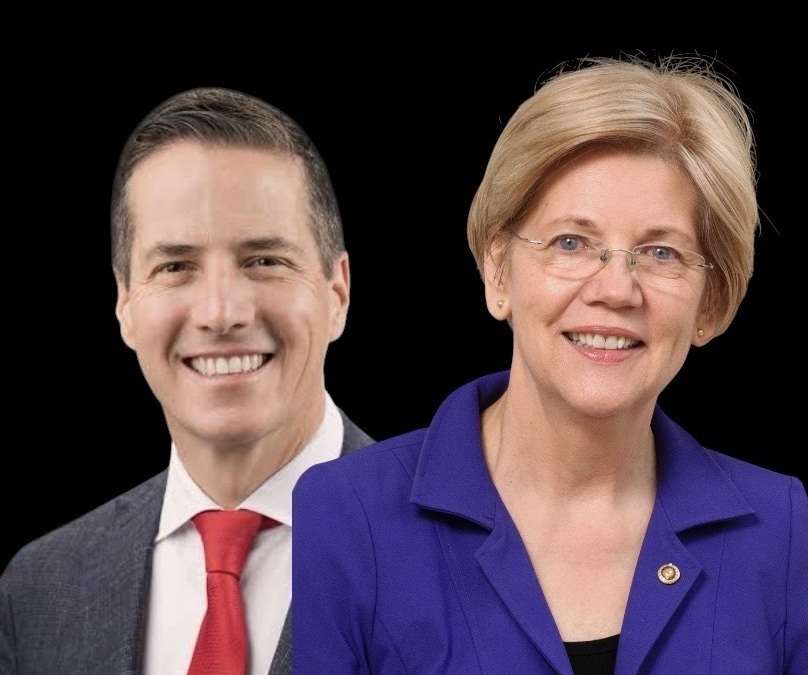
Liberal Sen. Elizabeth Warren, D-Massachusetts, is working with conservative Sen. Bernie Moreno, R-Ohio, on one package that would continue to collect payroll taxes after reaching the $184,500 cap.
Recommended Articles
Cassidy is working with Virginia Democratic Sen. Tim Kaine on another plan that would create a sovereign wealth fund, allowing administrators to invest the proceeds and dedicate the profits to the trust fund.
A couple other ideas are also on the table, including a package that would create a commission to recommend solutions.
“The history of special commissions is littered with very good intentions and failed results,” AARP Executive Vice President Nancy LeaMond told the Senate committee Aug. 5.
There’s a little more than four months to go before this 119th Congress adjourns and the 120th Congress—sans Cassidy and Larson—takes office. All legislation needs to start again once the new Congress is seated.
Cassidy said he was approached by Sen. Dick Durbin, an Illinois Democrat who is also leaving the Senate on January 3. They decided to “make a run” at jump-starting the debate with a bill that would circumvent some of the Senate’s baked-in rules that slows down legislative progress to allow more deliberation.
“It doesn’t pick a solution,” Durbin said of his and Cassidy’s resolution. “It just says ‘don’t waste any time. Start talking about it.”
Recommended Articles

But even that idea ran into political headwinds.
“This proposal, in my view, is effectively a wolf in sheep’s clothing,” said Sen. Ron Wyden, D-Oregon, also a frequent collaborator on fixing Social Security finances.
Wyden noted that, because only the House can begin bills that levy taxes, the proposal to lift the $184,500 cap and continue collecting payroll taxes from well-off workers is off the table.
“Each time Republicans get their hands on Social Security, it seems that cuts get made, life gets worse for seniors,” Wyden said.
Friday was the 91st anniversary of President Franklin D. Roosevelt’s signing of the law that created Social Security.
“As policymakers blow out the candles on Social Security’s 91st birthday, they are doing far too little to ensure its continued longevity,” Maya MacGuineas, president of the Committee for a Responsible Federal Budget, a Washington-based centrist business-supported think tank seeking lower deficits, said in a statement.
“Social Security won’t make it past age 97 as things currently stand,” she added.
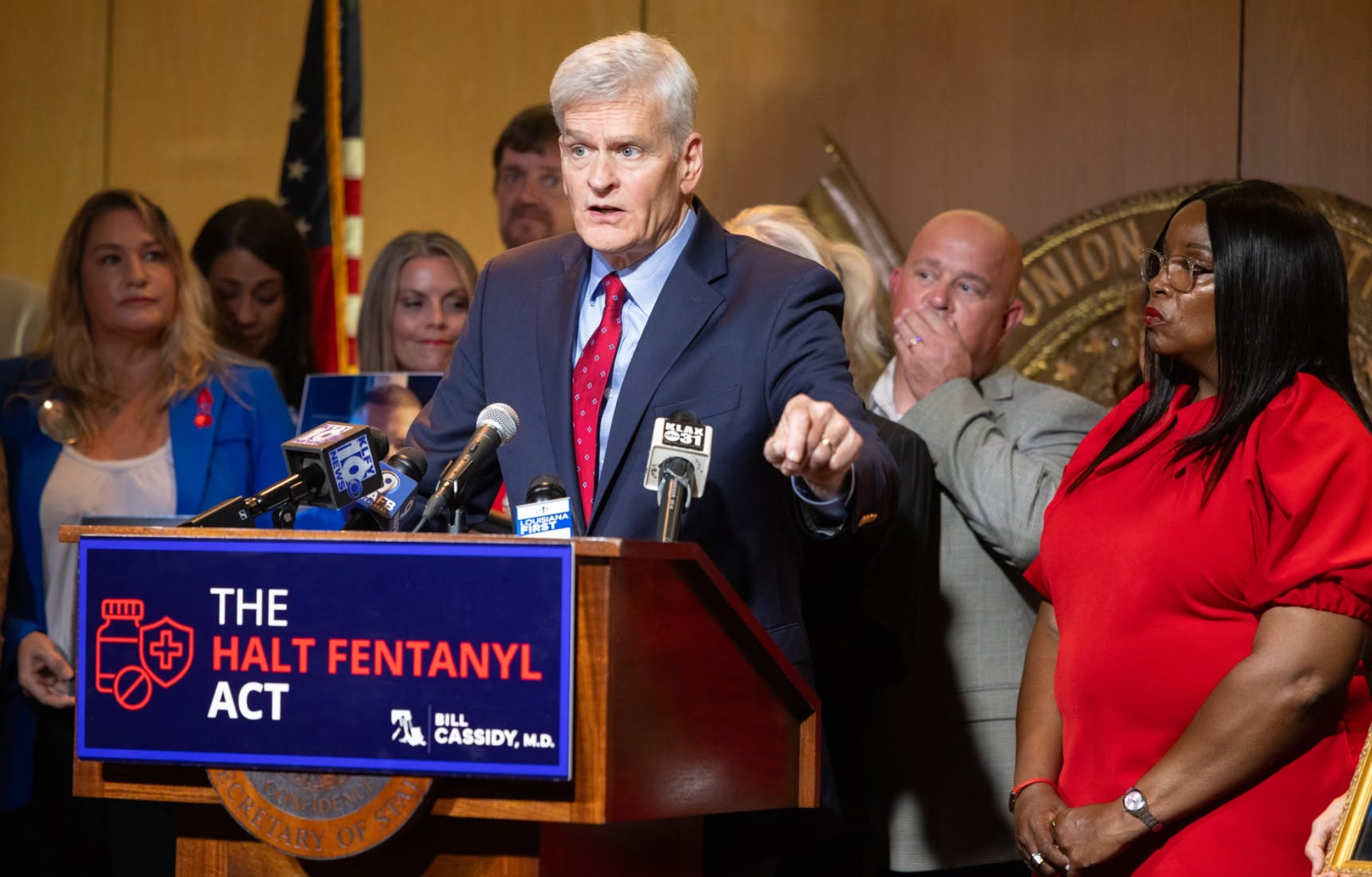
Photo credit: U.S. Senator Bill Cassidy/Facebook
_______
© 2026 The Advocate, Baton Rouge, La. Visit www.theadvocate.com. Distributed by Tribune Content Agency LLC.
Sign in to get access to this free resource, and all of our whitepapers and reports.

Download this content today!
Register Now Already registered? Click here to Log In