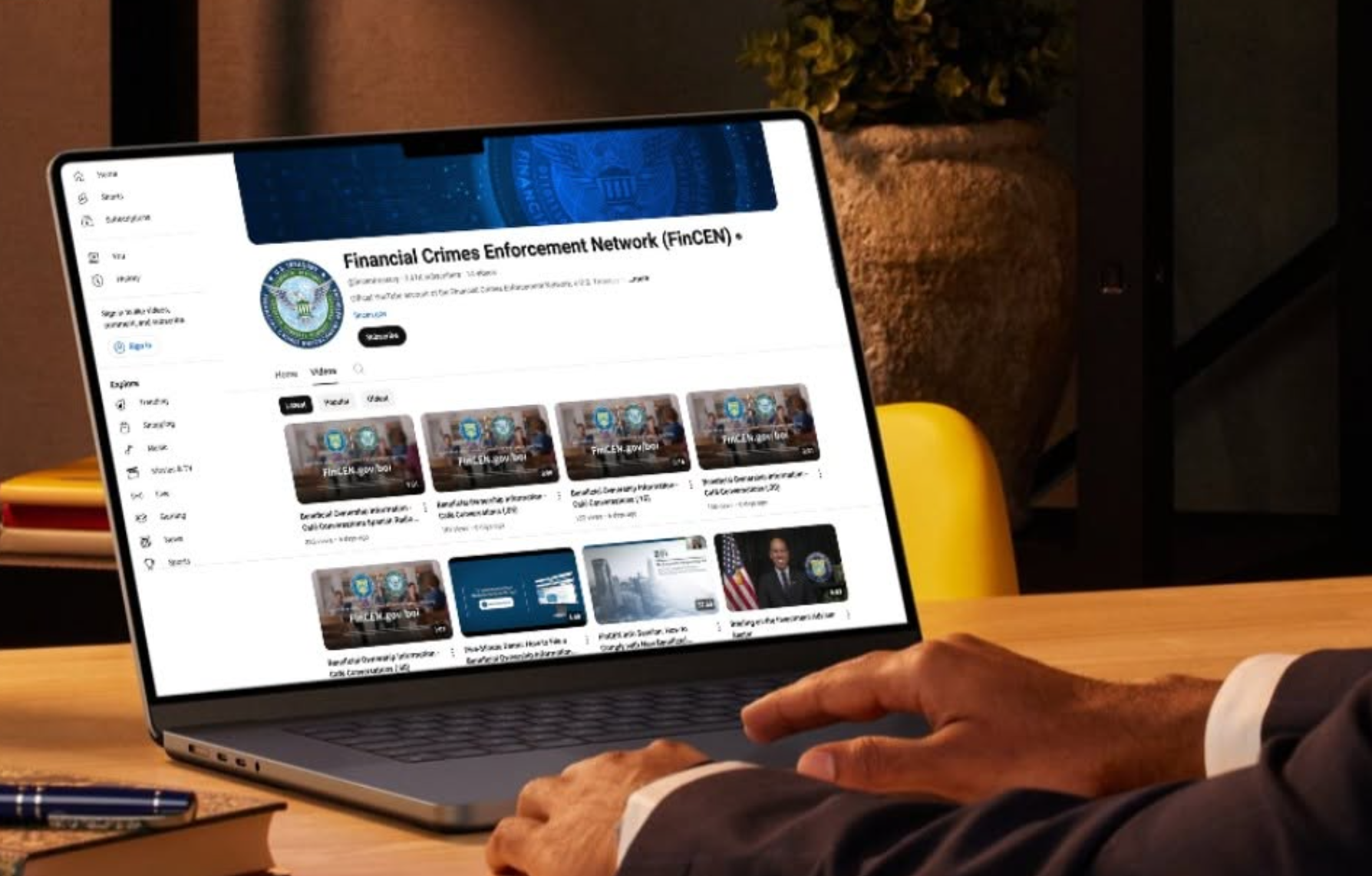




The Treasury Department’s Financial Crimes Enforcement Network issued a final rule on Aug. 11 that permanently ends the requirement for U.S. companies and U.S. persons to report beneficial ownership information to FinCEN under the Corporate Transparency Act.
In addition, FinCEN also announced that it will delete previously reported information by U.S. persons—now exempt from the reporting requirements—from the BOI database.
Tuesday’s final rule follows an interim final rule issued in March 2025 that eliminated BOI reporting requirements for all entities formed in the U.S. The 2025 interim final rule also said U.S.-based individuals are no longer required to report BOI, even if they’re beneficial owners of foreign companies doing business in the U.S.
Recommended Articles
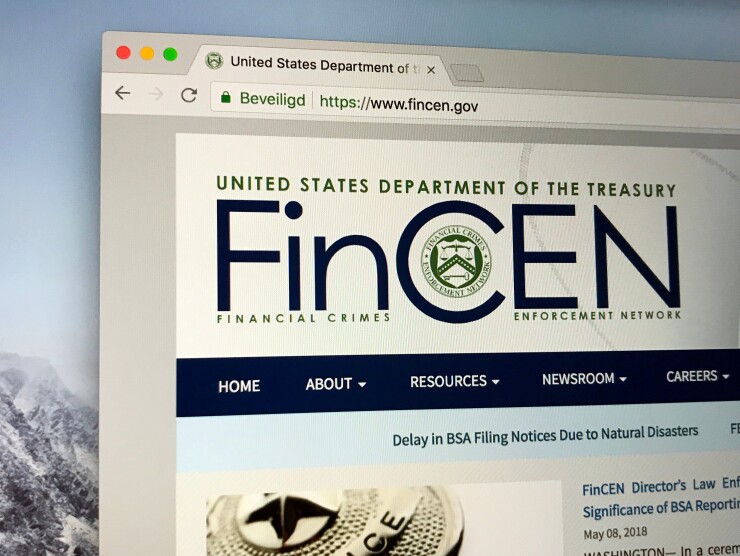
The Corporate Transparency Act, which was signed into law in January 2021, is an anti-money laundering law that directed businesses to report their ownership structures to FinCEN. The thinking is that clear ownership structures make it more difficult for bad actors to use shell companies for illicit activities like money laundering or drug trafficking.
A Jan. 1, 2025, deadline had originally been set for U.S. reporting companies to file their BOI reports with FinCEN, but that deadline was delayed and suspended numerous times by federal courts. Still, many businesses had filed their BOI reports on a voluntary basis.

Small business advocates have pushed back on the new requirements, saying BOI reporting would be a massive burden to small business owners. President Donald Trump has called the BOI reporting requirements “outrageous and invasive” for U.S. small businesses.
“Today’s action is a victory for common sense and American small businesses,” Treasury Secretary Scott Bessent said in a statement on Aug. 11. “President Trump promised to cut red tape, and this final rule delivers. Treasury is eliminating a burdensome reporting requirement for millions of law-abiding business owners without compromising our national security.”
According to FinCEN, the final rule:
- Adopts the exemptions set out in the interim final rule, making the rollback of beneficial ownership reporting by U.S. companies permanent;
- Exempts U.S. persons who have obtained FinCEN IDs from any obligation to update or correct the information they originally provided to FinCEN to obtain their FinCEN IDs;
- Eliminates the requirement for foreign companies to report U.S. person “company applicants” (i.e., the individuals who helped those foreign companies register to do business in the U.S.);
- Exempts foreign pooled investment vehicles registered in the U.S. from reporting the BOI of a U.S person in control of the investment vehicle; and
- Confirms that FinCEN will delete information about any individuals—company applicants, beneficial owners, or recipients of a FinCEN ID—that FinCEN reasonably believes is a U.S. person (e.g., the information is linked to a U.S. passport or U.S. driver’s license).
Under the final rule, foreign entities that are reporting companies will still be required to report beneficial ownership information for foreign individuals.
In addition to the final rule, FinCEN has issued frequently asked questions and will be updating guidance on FinCEN.gov to reflect the final rule.
In a statement on Wednesday, the National Federation of Independent Business called the final rule a major win for small businesses, saying it will save small businesses from more than $128 billion of regulatory and compliance costs.
“Small businesses greatly appreciate President Trump and Secretary Bessent standing up for Main Street,” NFIB President Brad Close said. “The final rule protects American small and independent businesses from this onerous reporting mandate and requires the destruction of previously submitted personal data. But Congress needs to finish the fight. We look forward to working with the Trump Administration to urge Congress to permanently repeal the invasive BOI law. We thank the Trump Administration for its work on behalf of America’s small businesses.”
National Small Business Association President and CEO Todd McCracken issued the following statement on Wednesday: “I applaud Treasury and this administration for seeing this law for what it is: a massive burden on America’s job creators which will do next to nothing to actually stop money-laundering. We have been beating the drum on this flawed concept for three administrations now, and I’m glad our message has finally gotten through.
“Unfortunately, as we’ve seen repeatedly, winds can change and regulatory declarations can easily be reversed. The CTA is still the law of the land and, while small businesses have a reprieve for now, NSBA will remain vigilant in its work to end this flawed concept for once and for all.
“I want to personally thank Sec. Scott Bessent for his leadership on ensuring America’s small businesses aren’t harmed by the CTA. More must be done, however, to ensure the CTA doesn’t come back as political tides may turn. I believe firmly that a final decision from the U.S. Supreme Court on NSBA’s lawsuit over the CTA is the only surefire way to ensure this flawed policy doesn’t make a come-back.
“So while this fight is absolutely a major win we will take some time to celebrate, the battle continues.”
Recommended Articles
Accounting January 24, 2025
BOI Reporting Still Voluntary Despite Supreme Court Decision
Organizations that support the Corporate Transparency Act and the BOI reporting requirements stated they’re disappointed with the actions by the Trump administration.
“This final rule keeps the floodgates open for criminals to launder money through U.S. shell and front companies,” Erica Hanichak, co-director of the FACT (Financial Accountability & Corporate Transparency) Coalition, said in a statement. “By failing to fulfill Congress’ mandate for greater financial integrity, the Treasury Department has handed a major victory to U.S. adversaries, corrupt officials, fraudsters, and tax evaders who use our financial system to move and hide illicit wealth.”
“Law enforcement needs financial tools to investigate and stop criminal networks operating in the shadows,” Frank Russo, senior policy advisor at the Conservative Political Action Conference and partner at Modern Fortis, a public safety strategic advocacy firm, said in a statement. “The underlying transparency law is still valuable, but Treasury‘s rule has failed to strike the appropriate balance in implementing it, crippling public safety officers’ ability to protect and serve their communities.”
“By exempting domestic entities and owners from reporting, FinCEN has significantly hindered prosecutors’ ability to identify the bad actors from legitimate businesses when investigating U.S. shell companies used by transnational cartels, human traffickers, and cyberscammers,” Nelson Bunn, executive director of the National District Attorneys Association, said in a statement. “Taking away this indispensable tool for law enforcement endangers American families and communities.”
Photo credit: FinCEN/Facebook
Sign in to get access to this free resource, and all of our whitepapers and reports.

Download this content today!
Register Now Already registered? Click here to Log In