



By Abby Sourwine
Government Technology
(TNS)
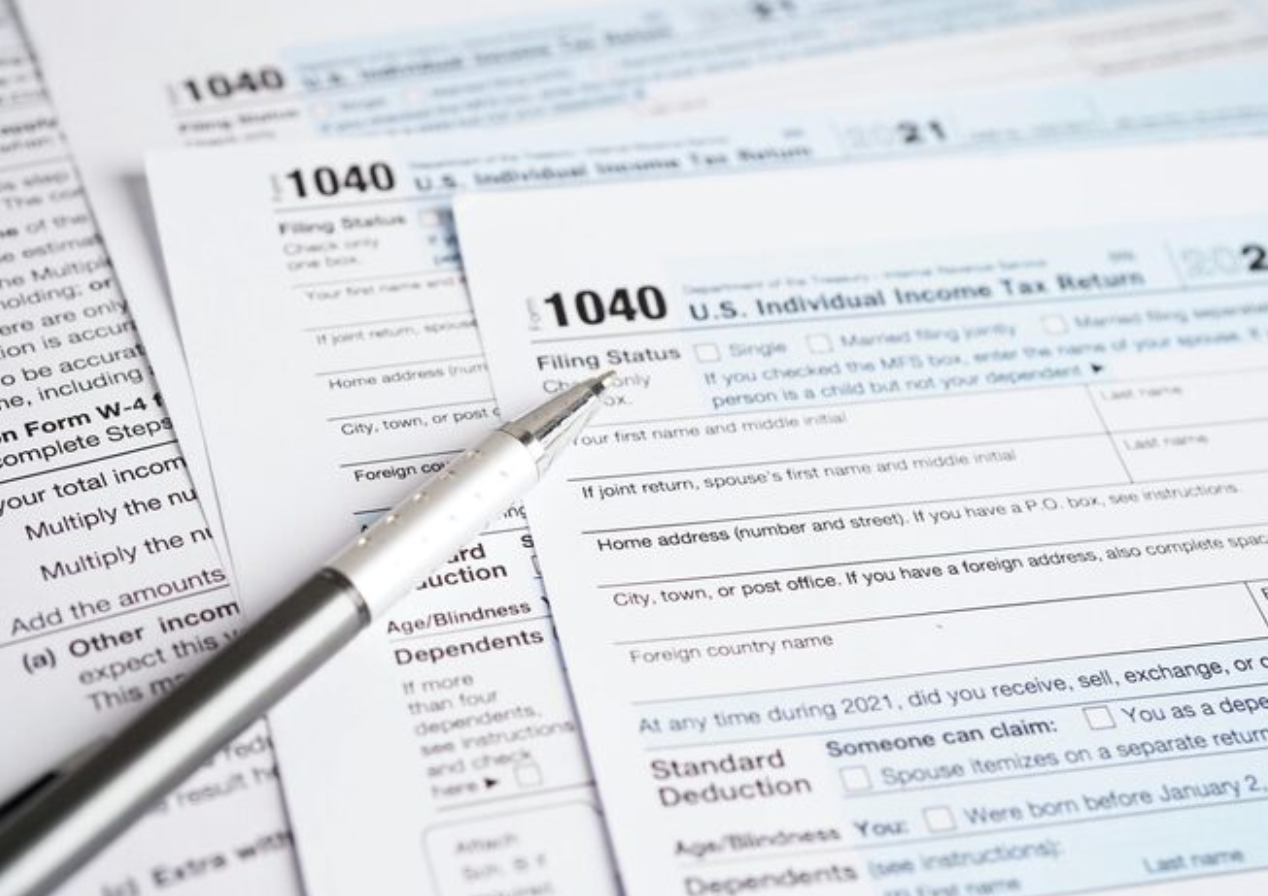
Aug. 5 — For the 2027 tax season, colleges and universities filing returns with the Internal Revenue Service (IRS) will need to use a new electronic filing system, replacing one that has been the standard for decades. Preparing for this change requires institutions to obtain new IRS credentials, test new processes and ensure third-party software vendors are ready.
According to an announcement in January by the National Association of College and University Business Officers, the transition will require departmental coordination beyond the bursar or tax office—higher education institutions will need to apply for credentials in advance and decide how best their institution will use the system’s new capabilities.
“Higher-ed filing workflows involve multiple systems from ERPs, student information systems, middleware, 1098-T providers,” Queenie Lee, general manager of 1099 reporting at the tax compliance software company Avalara, said in an email. “And each handoff is a potential failure point under [the new system’s] stricter validation.”
FIRE to IRIS
The Filing Information Returns Electronically (FIRE) system will retire at the end of 2026, according to the IRS website. Starting with the 2027 filing season, the Information Returns Intake System (IRIS), initially launched in 2022, will be the only IRS electronic filing system for information returns. This change will affect businesses and organizations that electronically file large volumes of information, including colleges and universities, which routinely submit thousands of Forms 1098-T for student tuition and Forms 1099 for payments to vendors and contractors.
According to the IRIS website, institutions that plan to file directly with the IRS must obtain a new IRIS Transmitter Control Code (TCC), which replaces the credential used for the FIRE system. The IRS reports that this takes 45 days on average.
Once registered, institutions must determine how they will submit information returns. Smaller filers can use the IRIS Taxpayer Portal to manually enter returns or upload CSV files, up to 250 forms per batch. Institutions with larger filing volumes can use the Application-to-Application method, which allows tax software to communicate with IRS systems.
Institutional approaches
At St. Louis Community College, for example, Finance Functional Lead John Dickey anticipates using a combination of these systems. He said the school typically uses enterprise resource planning (ERP) software to produce 1098-T files for submission, as the school produces about 25,000 each year. For 1099s, the school produces about 30, so staff enter those manually.
At Iowa State University, Tax Analyst Matt Devick said Workday already generates electronic files for Forms 1099, and the university is exploring options for their 1098-T filings. Regardless of the vendor, he said institutions should ensure their processes for evaluating and updating data are strong.
“Third-party companies that we use, they’re only able to submit what you give them,” he said.
This is one area where experts expect the IRIS portal to improve upon the FIRE system.
According to an email from Lee, mismatches in Taxpayer Identification Numbers (TINs) could go undetected for months in the FIRE system, and when flagged, users would have to review the entire batch. IRIS immediately flags specific records as accepted, accepted with errors, or rejected.
“It does seem much more modern, much more straightforward and easy to use compared to the old FIRE system,” Devick said.
For smaller institutions with limited staff, Catherine Duriske, controller at Monmouth University in New Jersey, said working with third-party vendors may be the simplest path. Monmouth relies not on a software vendor but on a tax consulting firm, she said.
With these partnerships, however, institutions still have final responsibility to test their tax filing workflow, Dickey said.
“The big challenge is the vendor,” he said. “Getting the vendor’s new programming delivered to us, I think everybody’s going to be very anxious about that.”
Third-party solutions
As institutions consider their readiness for the transition, some are seeking potential third-party solutions. Lee said in an email that at a webinar Avalara hosted earlier this year on the FIRE-to-IRIS transition, which counted over 1,400 registrants, 45 percent of attendees identified the change as their top 2026 compliance concern. Whether finding a new vendor or using existing partnerships, Lee advised colleges and universities to seek detailed assurance on vendor readiness.
For Avalara, IRIS updates have included updating filing tools to generate the XML format required by the IRS, adding new data fields for TIN type and separate names, and adding capabilities to manage IRIS TCCs.
At software company Workday, Senior Vice President and Group General Manager of Industry Product Michael Hofherr wrote in an email that the company is adding direct IRIS integration for institutions using the software’s student information system to file Forms 1098-T, meaning institutions can transmit information directly from Workday to IRIS without manual uploads. Workday’s support for IRIS filing of Forms 1099 through their financial management platform is already available, Hofherr said.
Lee reiterated the importance of double checking the features of tax-filing partners and tools heading into next tax season.
“Ask every vendor involved in your 1099 or 1098-T workflow (your ERP, your student information system, your filing provider) whether they are IRIS-ready for Tax Year 2026,” Lee wrote. “Get a specific answer, not a general assurance.”
_______
© 2026 Government Technology. Visit www.govtech.com. Distributed by Tribune Content Agency LLC.
Sign in to get access to this free resource, and all of our whitepapers and reports.

Download this content today!
Register Now Already registered? Click here to Log In