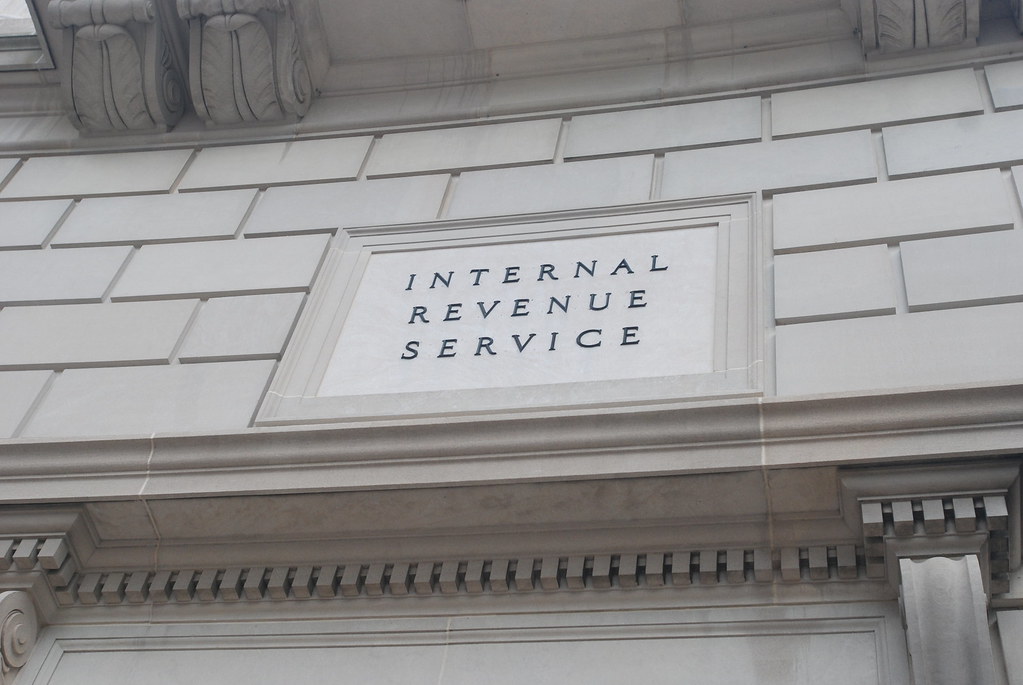




The IRS on Wednesday announced a new automatic process that will provide penalty relief for taxpayers who have a history of filing and paying their tax debts on time instead of requiring them to request assistance.
The new Automatic Exemption from Penalty program will replace the First Time Abate administrative relief process, which is being phased out. The new automatic penalty relief process is set to begin this summer, according to the IRS.
In a July 8 blog post, National Taxpayer Advocate Erin Collins wrote that she was grateful to see the IRS introduce the new penalty relief process. She called the IRS’s implementation of AEP “a major taxpayer win.”
“This is the kind of commonsense improvement that makes tax administration more efficient, more consistent, and more taxpayer friendly,” she wrote. “It also advances important taxpayer rights, including the rights to quality service, to pay no more than the correct amount of tax, and to a fair and just tax system.”
IRS officials say AEP was designed to simplify the penalty relief process and reduce burden for those with a timely compliance history.

“Automatic Exemption from Penalty reflects the IRS’s commitment to making the payment of taxes owed simpler and more consistent,” IRS CEO Frank Bisignano said in a statement. “By automatically applying penalty relief, the IRS recognizes that taxpayers who historically pay on time should not have to make a formal request for relief that is routinely granted.”
According to the IRS, AEP applies to eligible original returns beginning with tax year 2025 and 2026 quarterly returns, as well as future tax periods. Taxpayers can qualify if they have a history of filing their tax returns in a timely manner and paying any tax due in the three prior years (or 12 consecutive quarters for quarterly returns).
When taxpayers qualify, penalties aren’t assessed during processing for:
- Failure to file;
- Failure to pay; and
- Failure to deposit.
Taxpayers don’t need to take action to receive this relief, the IRS said. If eligible, the agency will apply AEP and issue a notice confirming that the relief was granted.
However, the IRS noted that not all returns are eligible for AEP. For example, information returns and returns that are filed only in response to specific transactions or infrequent events—such as Form 706, U.S. Estate Tax Return, or Form 709, Gift Tax Return—generally aren’t eligible.
Up until now, First Time Abate has been the most common form of administrative penalty relief. It has generally been available for certain failure-to-file, failure-to-pay, and failure-to-deposit penalties when taxpayers had a clean compliance history for the prior three years. Collins said the problem wasn’t the concept but the process of First Time Abate

“Relief was available, but taxpayers generally had to ask for it. That meant relief often depended on whether a taxpayer: knew what to ask for; had access to professional help; or could reach the IRS,” she wrote. “Many taxpayers who qualified likely paid penalties they could have avoided.
“For years, the Taxpayer Advocate Service (TAS) has recommended that the IRS apply this relief automatically,” Collins continued. “Doing so reaches more eligible taxpayers, reduces unnecessary phone calls and correspondence, and allows IRS employees to focus on issues that require human judgment. I appreciate that the IRS has now taken this important step.”
During the transition from First Time Abate to the AEP program, some qualifying taxpayers could still receive penalty notices for eligible tax year 2025 and 2026 quarterly returns. Taxpayers who believe they qualify can contact the IRS to request First Time Abate, the agency says.
The new AEP program provides relief automatically and will replace First Time Abate for eligible returns with original due dates on or after Jan. 1, 2027. Visit Administrative penalty relief for more information.
Taxpayers who don’t qualify for AEP can still request penalty relief based on reasonable cause, the IRS says. The agency states that it will review those requests and notify taxpayers of the outcome. See Penalty relief for reasonable cause for more information.
While AEP prevents the assessment of certain penalties, taxpayers must still pay any tax and interest due, as well as any penalties not eligible for relief, the IRS added.
“The IRS is making this change to promote fairness and consistency in the application of penalty relief while encouraging voluntary compliance,” the agency said in a media release. “By automatically recognizing taxpayers with a strong compliance history, AEP reduces taxpayer burden and ensures penalty relief is applied fairly and equitably to all taxpayers, thereby observing their Taxpayer Rights.”
Photo credit: Unsplash
Sign in to get access to this free resource, and all of our whitepapers and reports.

Download this content today!
Register Now Already registered? Click here to Log In