



By Nicole Nixon
Los Angeles Times
(TNS)
For all the media attention California’s proposed billionaire tax has generated nationally—with some blasting it as a foolish Left Coast assault on American enterprise—the November ballot item has actually triggered a rift among progressive labor unions and Democrats, groups critical to the measure’s success.
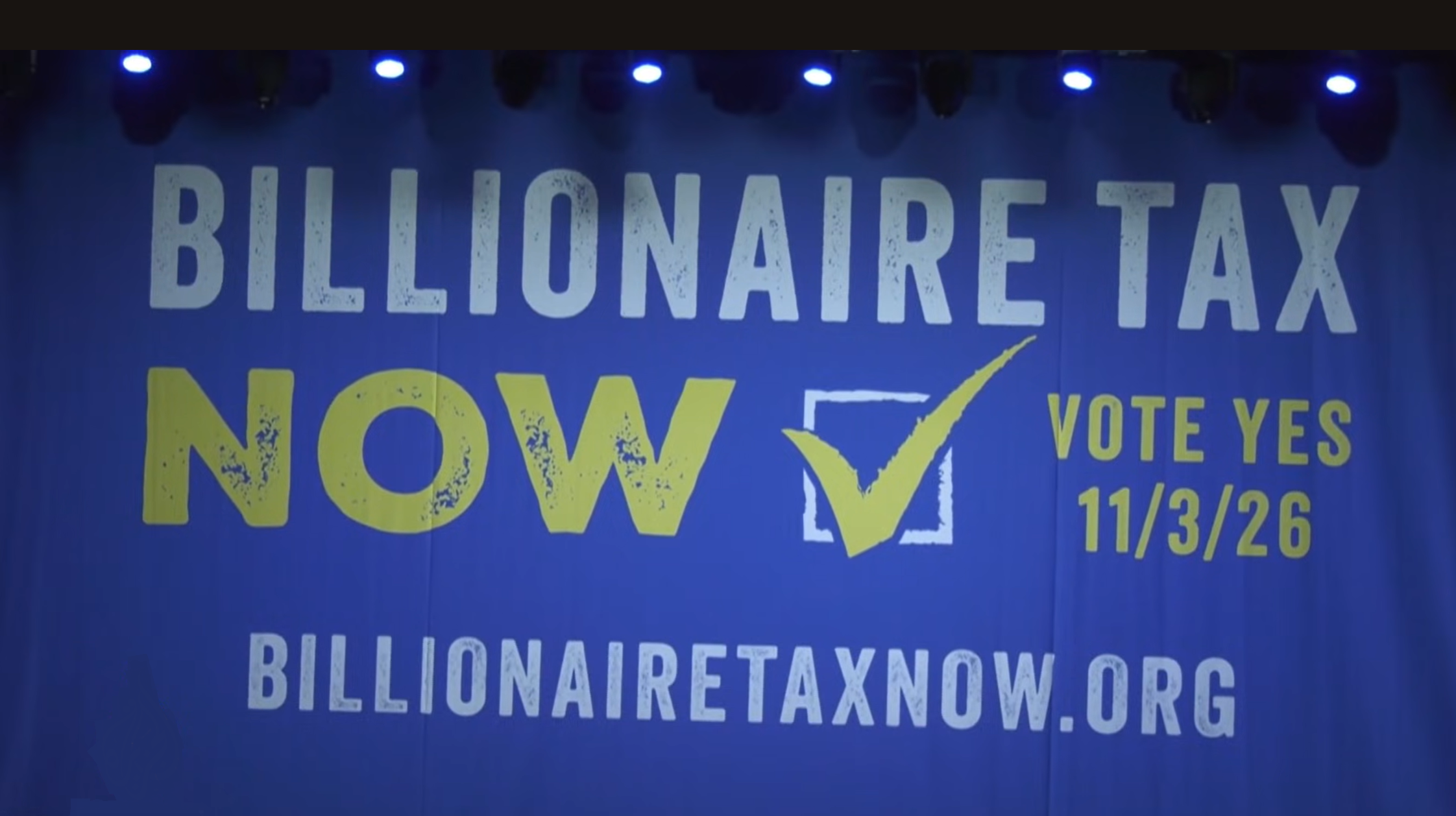
Championed by California’s largest health workers union, Proposition 40 would levy a one-time, 5% tax on California’s roughly 200 billionaires. The measure aims to backfill Medicaid cuts signed into law last year by President Donald Trump and would raise an estimated $100 billion.
Dave Regan, the measure’s architect and president of Service Employees International Union-United Healthcare Workers West, said the tax was intended to prevent “the imminent collapse of California’s health care system because of the Trump cuts in the ‘One Big Beautiful Bill.'”
Recommended Articles
Regan, who has become well-known for using ballot measures as leverage in negotiations with state lawmakers and the healthcare industry, seemed poised to channel public anxiety over economic affordability, access to medical care and anti-Trump sentiment when the initiative was announced last fall.
Today however, the initiative not only faces heavy and well-funded opposition from those it aims to tax, but also divided support among groups who traditionally favor taxes on the wealthy—labor unions. Both the powerful California Teachers Association and the State Building and Construction Trades Council of California have come out against Prop. 40, while Teamsters California and AFSCME California support it. Others unions have yet to weigh in, including the California Federation of Labor Unions and SEIU California, a parent organization for Regan’s healthcare worker union.
Establishment Democrats are also divided. Gov. Gavin Newsom aggressively opposed the measure and sought to negotiate with Regan to remove it from the ballot beginning last year. Days before a state deadline to withdraw ballot measures in late June, Regan publicly offered to trim the wealth tax to 2% over two years, an offer Newsom quickly rejected.
Recommended Articles
To some close observers, the offer signaled that Regan may have been looking for a way out of an expensive ballot fight.
“I found it unusual that he did that because he’s usually not that kind of negotiating type—he’s no nonsense,” said Democratic political consultant Steven Maviglio. “I don’t know if he felt it was a hot potato or what.”
Regan’s union spent $31 million to gather 1.6 million voter signatures to put the tax on the ballot.
“At the outset, this may have looked like the replay of a strategy he’s employed successfully many times in the past, but he ended up painting himself into a corner, and so now he’s stuck with an initiative that he knows he probably can’t pass,” said Dan Schnur, a politics and communications professor at Pepperdine, USC and UC Berkeley.
A March poll by UC Berkeley’s Institute of Governmental Studies showed 52% of registered voters support the billionaire tax while 33% opposed it and 15% were undecided. However, campaign experts say its position remains precarious, due in part to the deep pockets of its opponents.
Several billionaires, including Google co-founder Sergey Brin, have so far pumped a combined $118 million into a campaign committee that gathered enough signatures to place two other measures on the ballot aimed at undercutting the billionaire tax.
Groups that might otherwise support more revenue for healthcare have also come out against Prop. 40, including Planned Parenthood Affiliates of California and the California Medical Assn.
“The dangerous wealth tax directly threatens vital funding for education and schools, healthcare and clinics, public safety, and infrastructure projects by making California’s revenue even more volatile,” leaders of the California Medical Association, California Primary Care Association and California School Boards Association wrote in a joint statement.
Regan and fellow supporters insist that, without approval of the tax measure, Trump’s “Big Beautiful Bill” will gut the state’s healthcare resources.
“This will take between $20 and $25 billion annually out of our healthcare system, meaning three and a half million people are going to lose insurance, 150,000 health care workers will be laid off and over 20 million consumers are already paying more in premiums, deductibles and copays,” he said.
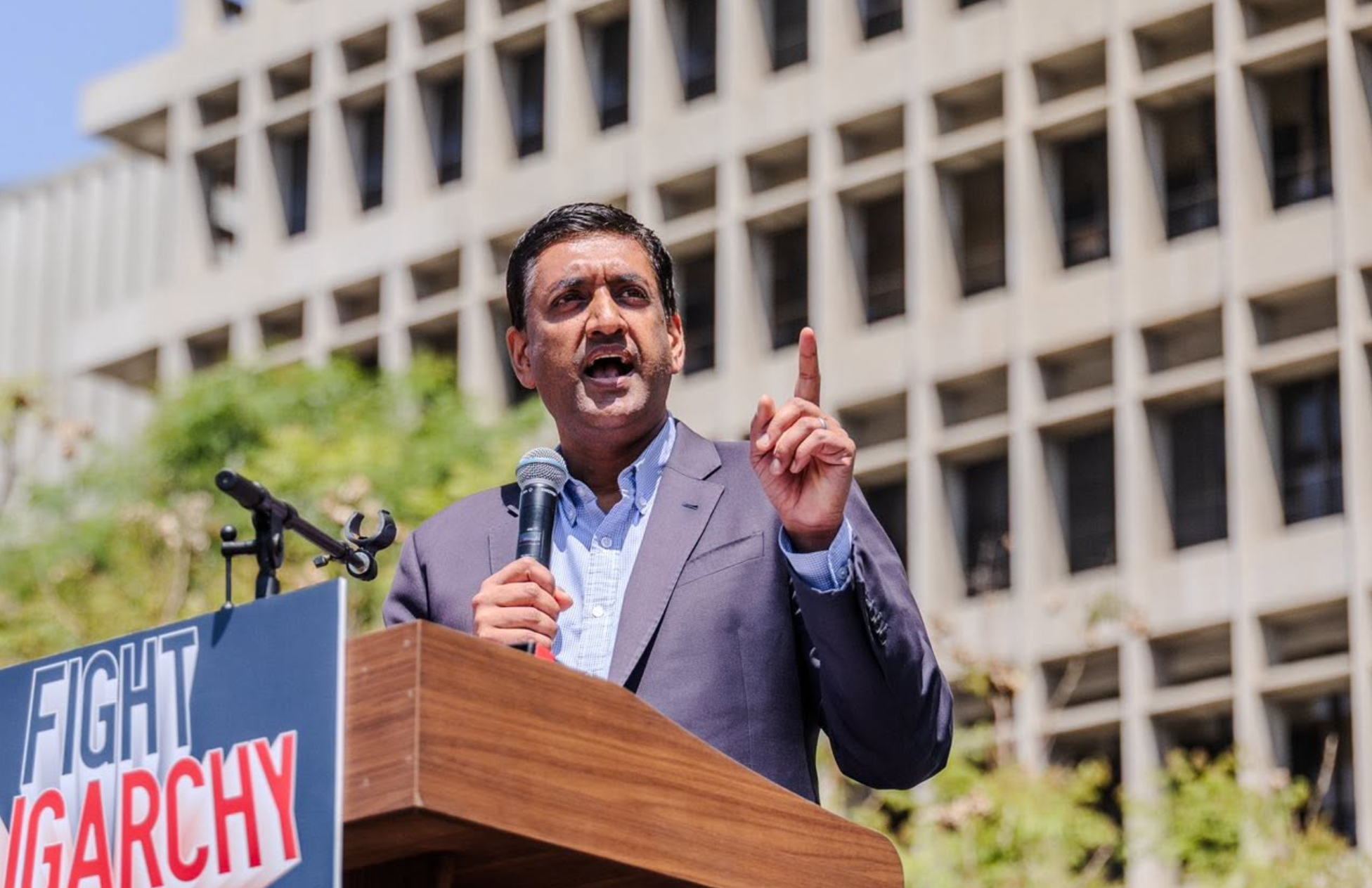
While prominent progressives such as Sen. Bernie Sanders (I-Vt.) and Rep. Ro Khanna (D-Fremont) have voiced support for the measure, some progressive opponents say its near exclusive focus on healthcare is a problem. (Only a small portion of tax revenues would go toward education and food security.)
The CTA said after reviewing the measure, its council of delegates “determined that this policy will not provide the sustainable and long-lasting funding that our schools and communities deserve.” Leaders of the state’s largest teachers union plan to focus their efforts on passing Proposition 3, which would make permanent an existing tax on certain high earners to fund schools and community colleges.
Labor unions have typically aligned in support of tax-raising ballot measures, including earlier temporary versions of this year’s Prop. 3 and an unsuccessful 2020 proposal to revamp commercial property taxes.
But the billionaire tax “doesn’t benefit everybody. It benefits workers in the healthcare sector primarily, and I think that’s why not everybody’s on board. It’s not a ‘rising tide lifts all boats’ kind of proposal,” Maviglio said.
In the 15 years he has led SEIU-UHW, Regan has become known for using expensive ballot measures—or the threat of them—to bring lawmakers and industry opponents to the negotiating table.
In a landmark 2023 deal, Regan secured a statewide $25 wage floor for healthcare workers after qualifying initiatives to raise industry wages in Los Angeles and other cities. The deal included a 10-year moratorium on minimum wage propositions. He also pushed ballot measure regulations on kidney dialysis clinics for three subsequent election cycles. Though none of them passed, the dialysis industry spent hundreds of millions between 2018 and 2022 to defeat them.
“Everybody knows that he is wielding ballot measures as a weapon to leverage his unionization or political demands. It’s not a secret. He’s admitted it,” said Brandon Castillo, a ballot measure strategist who often finds himself opposite Regan in ballot fights including the dialysis clinic propositions.
The measure retroactively applies a tax on billionaires who were residing in California as of Jan. 1. Newsom and other opponents say the initiative would drive the ultra-wealthy out of the state and their departure would blow a hole in the state budget.
California’s budget is dependent on income taxes the rich pay on stock market profits. The Legislative Analyst’s Office said the measure would “likely” result in an “ongoing decrease in state income tax revenues of hundreds of millions of dollars or more per year.”
“You may not be able to pick up and move to Texas or Florida to shelter your income from taxation, but I promise you that billionaires can, and do,” Newsom wrote in a post on Substack in late June. “Wealth is movable, and it shops for the state with the lowest taxes.”
After the talks ultimately failed to result in a deal, Newsom endorsed the idea of a national wealth tax instead.
Recommended Articles
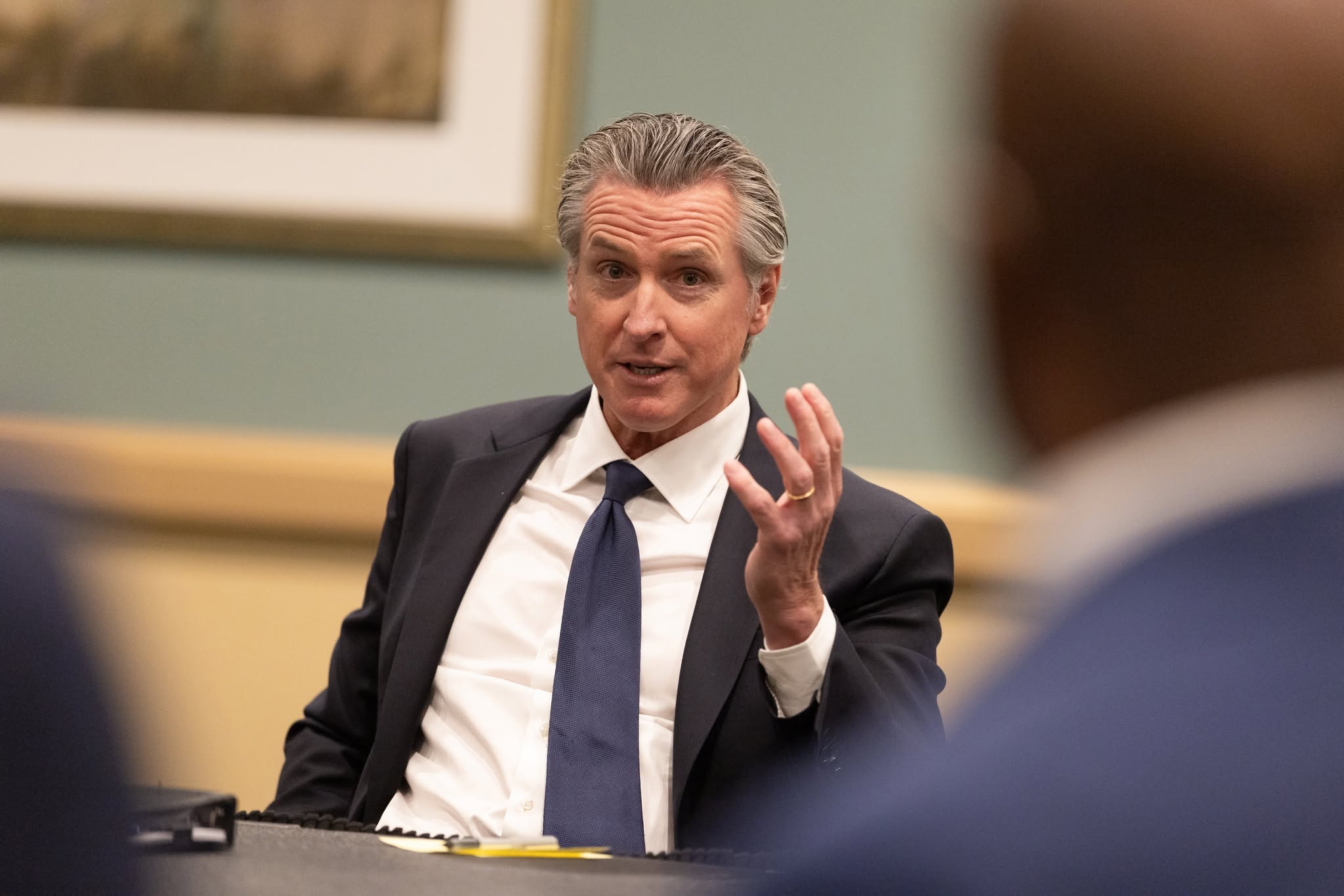
“It’s easy to see how they may have believed that Newsom’s strongest incentive was simply to stay out,” Schnur said. “There’s a huge potential downside for a Democratic governor [to weigh in] on either side of this initiative. If you oppose it, you’re alienating your base. If you support it, you’re putting your state in dire fiscal peril.”
Focusing on raising taxes at the federal level allows the governor to support a popular idea nationally, which he can campaign on if he runs for president. His opposition to the measure in California could still leave him vulnerable to criticism from progressives in a national Democratic primary.
Times staff writer Taryn Luna contributed to this report.
______
©2026 Los Angeles Times. Visit latimes.com. Distributed by Tribune Content Agency LLC.
Sign in to get access to this free resource, and all of our whitepapers and reports.

Download this content today!
Register Now Already registered? Click here to Log In