



The Treasury Department last week previewed guidance expected to be released this fall on the new federal scholarship tax credit enacted as part of the One Big Beautiful Bill Act.
The upcoming guidance will provide states, scholarship-granting organizations, taxpayers, and other stakeholders with information before the launch of the Education Freedom Tax Credit in January 2027. The Treasury Department and the IRS expect to issue proposed regulations by the end of September. States, SGOs, and taxpayers should be able to rely on those proposed regulations for tax year 2027, Treasury said.
The new scholarship tax credit under Section 25F of the Internal Revenue Code is intended to expand educational opportunity by encouraging private contributions to scholarship-granting organizations. The program—a part of President Donald Trump’s tax-and-spending legislation that Congress passed last summer—offers taxpayers dollar-for-dollar tax credits of up to $1,700 for donations to organizations that award K-12 scholarships. Those scholarships can cover private school tuition, home-school costs in some states, and some expenses for public school students, including tutoring, before- and after-school programs, technology, and uniforms.
State governors have to decide whether to participate in the program before SGOs can give out awards to students in their states.
Taxpayers who make qualified contributions may claim a federal tax credit, subject to applicable statutory requirements and forthcoming Treasury and IRS guidance.
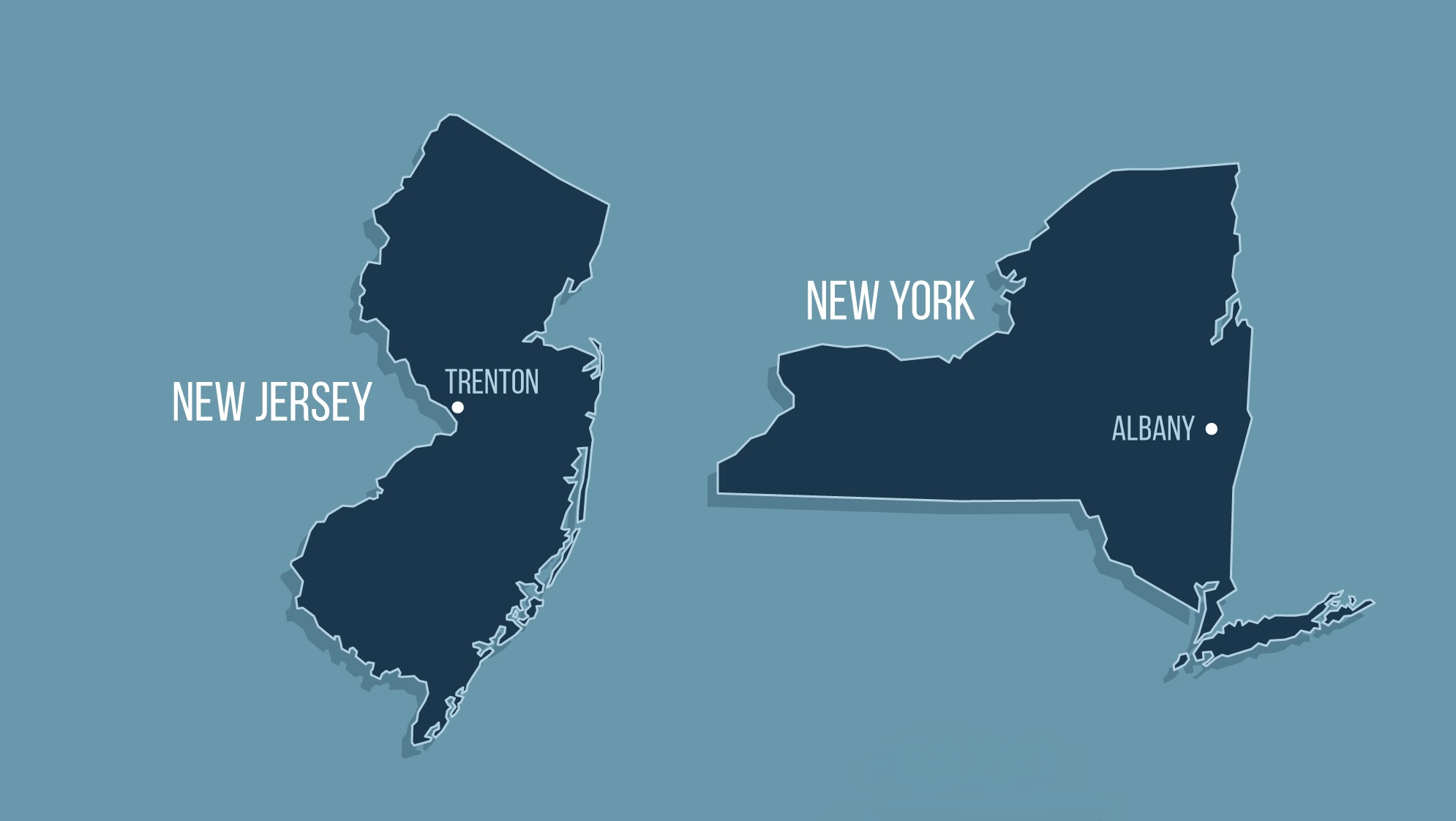
Students will be eligible for scholarships as long as their family income is 300% of their area’s median income or lower. That threshold encompasses most U.S. students, including families earning more than $500,000 in Westchester County, NY, on the high end and $114,000 in Wolfe County, KY, on the low end, according to Education Week.
The Treasury Department and the IRS are developing proposed regulations to provide clear rules for implementation, compliance, reporting, and program integrity before the credit’s expected 2027 launch.
“Under President Trump’s leadership, we are taking a transformative step toward an education system that fits the student rather than the other way around,” Treasury Secretary Scott Bessent said in a statement on June 10. “At Treasury, we take seriously the work of implementing this federal tax credit faithfully and effectively. We are committed to providing certainty to states, scholarship-granting organizations, taxpayers, and families alike, as well as making certain that this process is easy to navigate.”
Some states are unsure if they will be able to set requirements for SGOs beyond the rules outlined in the federal law. Among other criteria, SGOs must be nonprofit, award scholarships to at least 10 students who don’t all attend the same school, spend 90% of their revenue on scholarships, and verify students’ income eligibility.
“We expect the proposed rules will generally measure the 90% spending requirement against the organization’s total receipts, unreduced by expenses,” Kevin Salinger, Treasury deputy assistant secretary for tax policy, said during a roundtable discussion on the new federal tax credit on June 9. “But if the organization’s activities are largely scholarship-granting activities, the organization could use a safe harbor under which ‘income of the organization’ is measured by the amount held in a section 25F segregated account, including qualified contributions and earnings. For a multistate SGO, that safe harbor would have to be satisfied separately for each state-specific segregated account.”
Some Democratic governors have expressed a desire for the scholarship awards to help low-income or public school students, and that schools receiving scholarships follow state academic accountability and nondiscrimination requirements that would bar them from denying admission to LGBTQ+ students or students with disabilities, Education Week reported.
But Salinger said last Wednesday that “states may not impose substantive SGO specific requirements that are more restrictive than section 25F’s requirements.”
Salinger added that he expects the upcoming proposed rules will lead to the IRS developing a portal to support SGO administration and reporting.
“The goal is to build a user-friendly interface that can streamline interactions between SGOs and the IRS, but the precise functionality and timing may develop in phases rather than all being available on day one,” he said.
A fact sheet on the Education Freedom Tax Credit can be found here.
Tribune News Services contributed to this article.
Photo caption: Treasury Secretary Scott Bessent addresses the media during a press briefing on May 28, 2026.
Sign in to get access to this free resource, and all of our whitepapers and reports.

Download this content today!
Register Now Already registered? Click here to Log In