The IRS is creating a new office aimed at simplifying and modernizing how it interacts with the tax professional community.
Effective June 28, the IRS’s Return Preparer Office and the agency’s Office of Professional Responsibility will be integrated into the new Tax Professional Management Office.
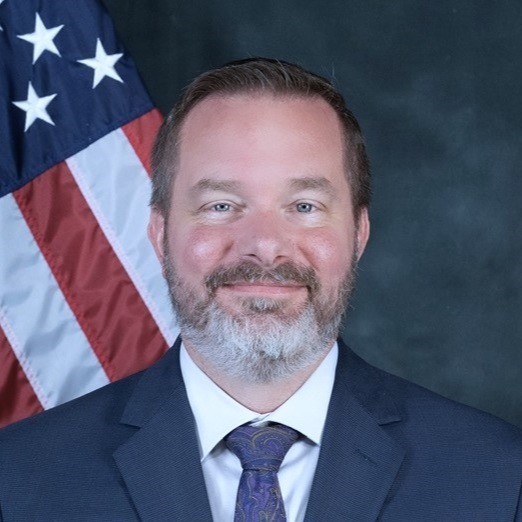
The office will be led by Chris Pleffner, who currently is director of the RPO. He has worked at the IRS in a variety of different roles since 2009, according to his LinkedIn profile.
In a statement issued on Monday, the IRS said the change supports federal workforce management requirements outlined in President Donald Trump’s Executive Order 14210, signed on Feb. 11, 2025, which focuses on improving organizational efficiency across federal agencies.
According to the IRS, “the missions of the RPO and the OPR will remain intact and will operate independently within their respective roles and authorities.”
“The merger will benefit tax professionals and the taxpayer community by creating improved efficiencies and simplified operations, thus making it easier to work with the Service,” the IRS statement says. “This reorganization under TPMO will not change the distinction between credentialed tax professionals and uncredentialed tax preparers. Aside from improved efficiencies, the merger will have no impact on how the IRS oversees the tax professional community.”
The IRS caught some heat from the American Institute of CPAs last November when word got out that the agency was considering merging the RPO with the OPR. In a letter to the IRS, the AICPA said a consolidation of the two offices would bring negative consequences to the nation’s tax system and create a potential conflict of interest.
Recommended Articles
The AICPA noted that OPR’s responsibilities include investigating referrals of alleged misconduct, instituting disciplinary proceedings, and exercising disciplinary authority for violations of Circular 230. RPO administers the Preparer Tax Identification Number (PTIN) program, manages the enrolled agent practitioner program, encourages enrollment in the Annual Filing Season Program, and processes some complaints against return preparers.
“RPO’s responsibilities are compliance focused, while OPR’s responsibilities are supervisory and regulatory,” the AICPA letter to the IRS said. “The two offices perform dissimilar government functions, oversee different types of preparers, and, therefore, should remain separate to avoid potential conflicts of interest.”
The letter concluded by saying, “Ultimately, now is not the time to reorganize these two units.”
The AICPA hasn’t publicly commented yet on the creation of the new Tax Professional Management Office.
Photo credit: Kent Nishimura/Los Angeles Times/TNS
Sign in to get access to this free resource, and all of our whitepapers and reports.

Download this content today!
Register Now Already registered? Click here to Log In
Tags: IRS, tax preparers, tax professionals, Taxes