



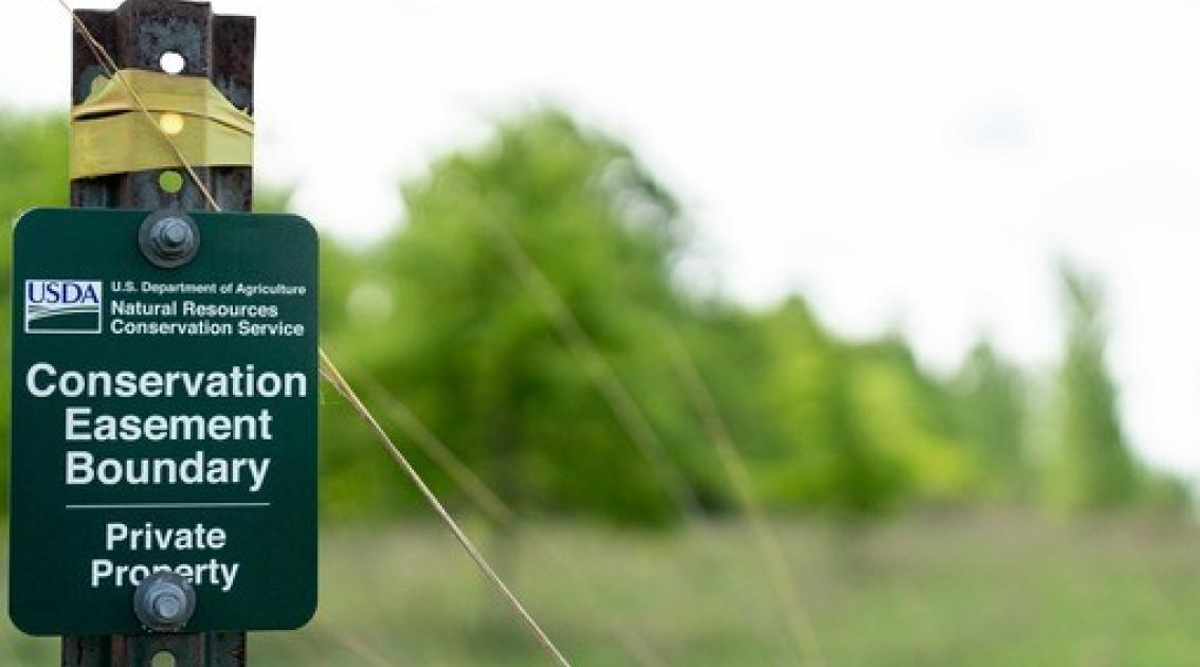
The IRS said last week that it will soon release the terms of a limited-time settlement opportunity for eligible taxpayers involved in conservation easement disputes.
After that announcement is made, the agency said it will extend settlement offers to eligible partnerships “to provide an opportunity to resolve the federal tax consequences of these transactions with certainty.”
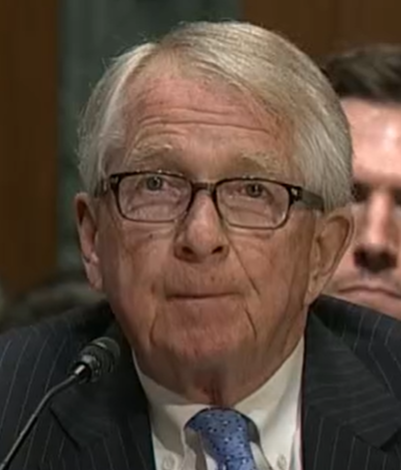
“The courts have repeatedly rejected abusive conservation easement arrangements, often sustaining major reductions in claimed deductions and significant penalties,” Acting IRS Chief Counsel Kenneth Kies said in a statement on May 6. “Taxpayers and their advisors should carefully review the updated information and the settlement terms when they are announced.”
During a panel discussion at the 2026 DC Bar Tax Conference in Washington earlier this year, Kies said the settlement offers won’t be more generous than previous offers for illegitimate conservation easements, which is when taxpayers inflate the value of donated land and take an outsized tax break, Bloomberg Tax reported.
Offering a better settlement deal would send “the wrong message,” Kies said, according to Bloomberg Tax.
The U.S. Tax Court is dealing with about 700 cases and 400 more are coming from the IRS enforcement arm, Kies said.
Recommended Articles
Taxes January 19, 2026
Tax Court Halts Deduction for Conservation Easement
The IRS also announced on May 6 that it has updated its conservation easement web page, expanding information on abusive conservation easement transactions, recent court decisions, and warning signs for investors.
“Syndicated conservation easement (SCE) transactions have increasingly been used to generate inflated tax deductions that undermine the conservation incentives Congress intended to promote,” the agency said. “The IRS, supported by bipartisan findings from Congress and consistent Tax Court decisions, has identified widespread abuse involving overstated valuations, failure to meet statutory requirements, and promoter-driven schemes designed to sell tax benefits rather than preserve property. Courts have repeatedly disallowed these deductions, often allowing only a small fraction of the claimed amounts, and have upheld substantial penalties, while appellate courts have affirmed those outcomes. The IRS is continuing coordinated enforcement, including actions against promoters and advisors, and will be offering a time-limited opportunity for taxpayers to resolve these matters before facing continued litigation, penalties, and potential sanctions.”
In many cases, the IRS says it has seen taxpayers, often encouraged by promoters and armed with inflated appraisals, take inappropriately large charitable contribution deductions—and some have claimed deductions even though they weren’t entitled to one.
“A legitimate conservation easement often reflects long-standing ownership, an accurate and property-specific valuation, and compliance with the rules governing qualified conservation contributions,” the IRS said. “For investors, the warning signs of an abusive tax scheme are different: highly artificial features such as promoter-driven structuring, inflated valuations, and promised deductions that far outstrip the economics of the investment. Those are the kinds of indicators that should cause investors to pause and ask whether they are being sold a tax product, rather than participating in a genuine conservation easement transaction.”
The IRS says taxpayers who participated in SCE transactions should carefully review:
- The terms of any pending settlement offer;
- The terms of the IRS’s new settlement opportunity when it is released; and
- All relevant Tax Court opinions addressing SCE transactions.
In addition, taxpayers should contact reputable, independent tax professionals to evaluate any settlement terms they are offered, the agency said, adding that it believes settling these cases is the most efficient way to achieve finality and resolve these matters.
“Congress created the conservation easement deduction to encourage genuine preservation, not to subsidize abusive tax shelters,” IRS CEO Frank Bisignano said in a statement last Wednesday. “The updated information on IRS.gov explains why the IRS continues to challenge these transactions and highlights the serious risks taxpayers face when they are sold inflated tax benefits disguised as conservation.”
Sign in to get access to this free resource, and all of our whitepapers and reports.

Download this content today!
Register Now Already registered? Click here to Log In