By Katherine Rodriguez | NJ.com
nj.com
(TNS)
You could receive a COVID-19-era refund from the IRS—but you have to act soon.
One advocacy group says eligible taxpayers can claim a refund, but the deadline is approaching fast.
“Many taxpayers affected by this issue have low and moderate incomes,” the National Taxpayer Advocate said in a blog post. “These taxpayers are less likely to have professional representation and to learn about complex legal developments like this one. As a result, they face a greater risk of missing the opportunity to claim refunds to which they may be entitled.”
The potential refunds, for those who are eligible, stem from the case Kwong vs. United States, which says that once a federally declared disaster is in effect, a specific tax code mandates the postponement of tax deadlines for the disaster period plus 60 days.
The court ruled that the COVID-19 public health emergency, which ran from Jan. 20, 2020, through May 11, 2023, fell under the mandate.
The new tax deadline for tax years 2019, 2020, 2021 and 2022 filings, if you add on 60 days, would have been July 10, 2023.
Because tax deadlines were postponed during that period, the IRS could not collect penalties or interest.
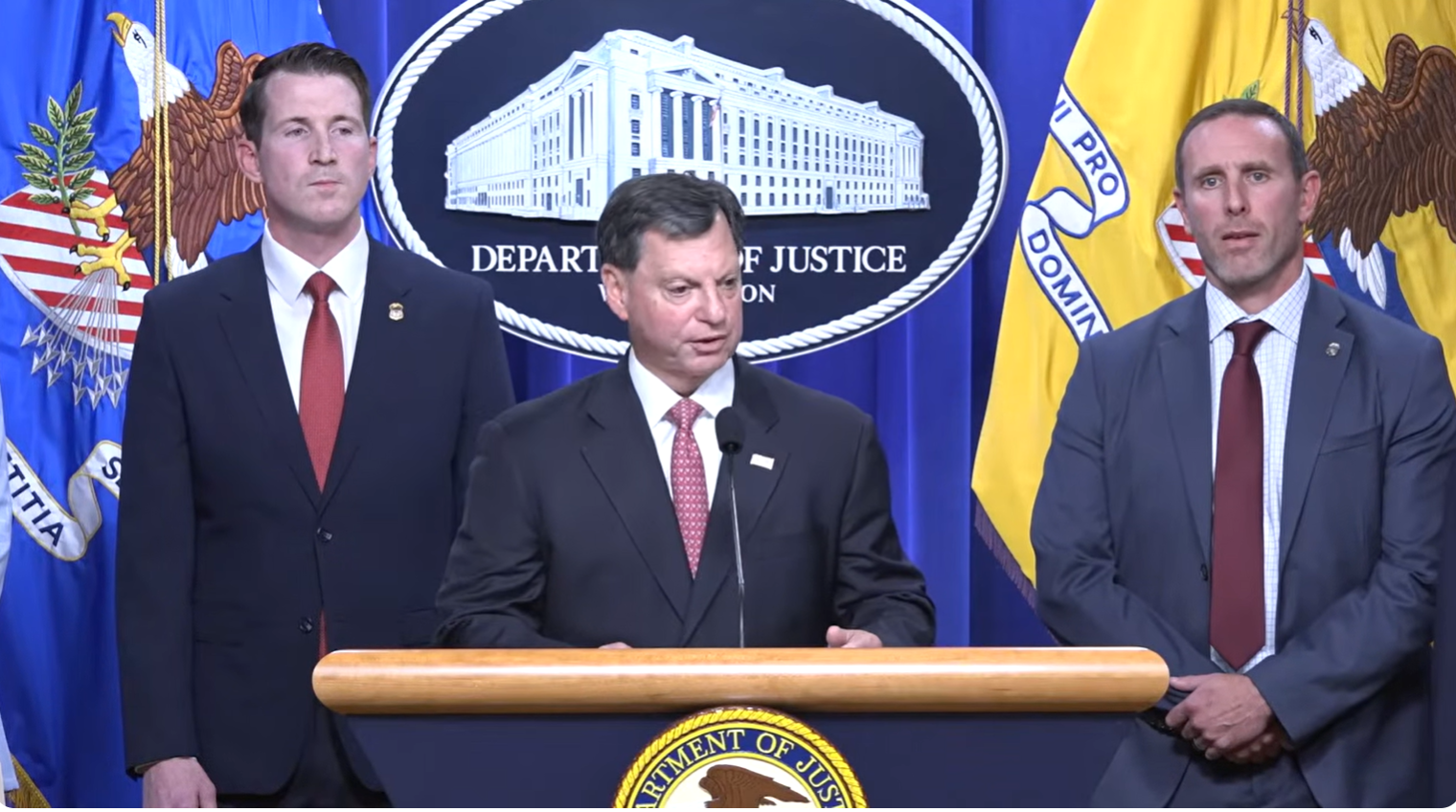
The IRS and the Department of Justice plan to appeal, but in case the ruling is affirmed, the NTA says it is best to claim your refund now.
“For taxpayers dealing with financial pressures, these amounts can make a real difference,” the NTA said. “But most taxpayers must act by July 10, 2026, to request their potential refunds.”
Recommended Articles

Here’s how you can determine if you can get a refund.
How can I get a COVID-19 refund from the IRS?
First, check your tax records to see if the IRS initiated any penalties or interest during the tax filing pause.
You can do this by checking your tax account transcripts. If you don’t have one, you can order one by mail on the IRS website or by calling the automated phone transcript service at 800-908-9946.
You should receive it in five to 10 calendar days.
Taxpayers may be owed the following, according to the NTA:
- Penalties assessed for failure to file returns on time, failure to pay taxes or failure to make estimated tax payments.
- Interest that began accruing earlier than it should have, or not at all.
- Overpayment interest for the 2020-2023 disaster period.
If it turns out you have any of these on your records during the disaster period, you can go to a tax professional or file a claim yourself using IRS Form 843, Claim for Refund and Request for Abatement, using the information in your records.
Make sure the form specifies that it is a protective claim based on the Kwong vs. United States decision.
If you send your refund claim, send it by certified mail.
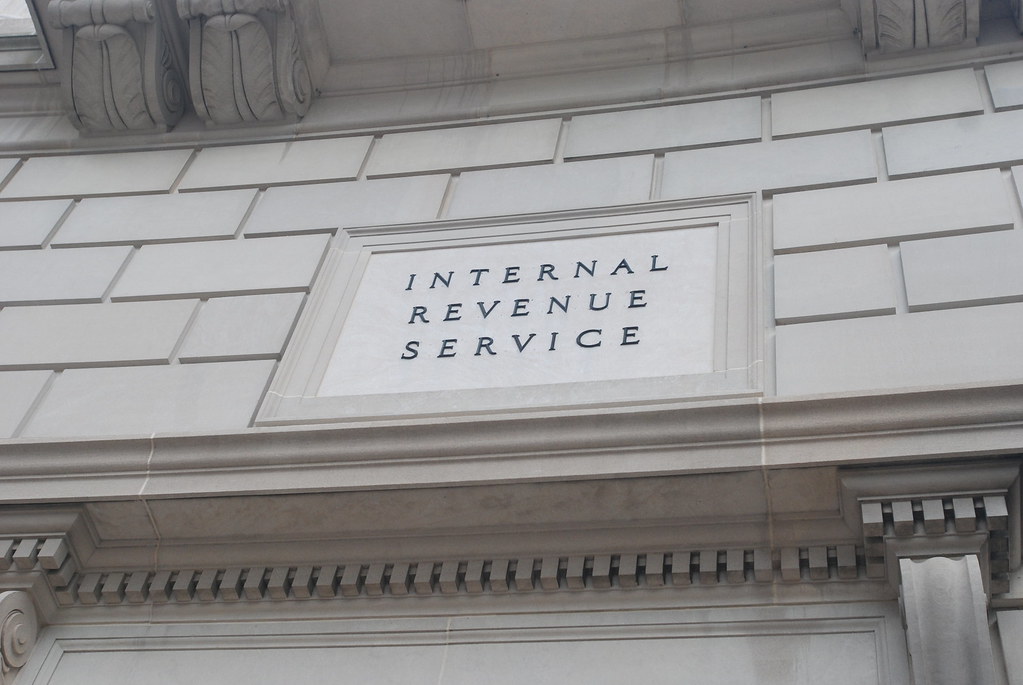
Photo credit: NoDerog/iStock
_______
©2026 Advance Local Media LLC. Visit nj.com. Distributed by Tribune Content Agency LLC.
Sign in to get access to this free resource, and all of our whitepapers and reports.

Download this content today!
Register Now Already registered? Click here to Log In