By Jana Cholakovska | NJ.com
nj.com
(TNS)
The HVAC contractor couldn’t figure out why the IRS had sent him three refund checks totaling nearly $120,000 in the spring of 2021.
When he raised his concerns with his tax preparer, Leon Haynes, Haynes texted the man’s spouse, telling the couple to burn any undeposited checks—and told the contractor himself to keep quiet and pay $10,000 for each one.
“My friends, I have nothing at all to fear with what I’m doing, but don’t send those checks back to them; and if you already deposited them, just leave it and let god do his work, but if you didn’t deposit it yet, just take a lighter to it leave it at that and then I will amend everything and reverse it like it never happened, but I’m at a loss for words, but no matter what, I still love you guys forever and no hard feelings, just don’t stir up unnecessary s— by sending checks back is all,” Haynes wrote, according to court records.
The contractor, identified in court records only as Individual-3, wasn’t the only one.
Hundreds of clients—some knowing, some not—were caught up in what prosecutors called the largest COVID-19 tax relief fraud case ever tried in the United States. From 2020 to 2023, Haynes filed more than 1,900 false employment tax returns claiming pandemic relief credits his clients were never entitled to, fraudulently seeking more than $170 million from the U.S. Treasury. The government paid out over $55 million before the scheme unraveled.
Haynes, 52, of Teaneck, was sentenced to 12 years in federal prison and ordered to pay more than $55 million in restitution to the IRS last week.
Recommended Articles
“Pandemic relief programs were created to support Americans during a national crisis, but Haynes—a tax preparer entrusted to help people comply with the law—treated those programs as a personal cash machine,” U.S. Attorney Robert Frazer said in a statement. “Our office will continue to pursue those who exploit relief programs and hold them accountable for stealing from the American people.”
The scheme began in November 2020, just months after Congress authorized two pandemic relief programs—the Employee Retention Credit and the Sick and Family Leave Credit—designed to help small businesses keep workers on payroll during the COVID-19 crisis.
Haynes, who ran a tax preparation business, saw an opportunity.
He began filing false quarterly tax returns for himself and on behalf of clients, claiming credits for employees who didn’t exist and wages that were never paid, according to court records. Nearly every return he filed either claimed credits above the legal maximum, counted the same wages twice, or sought both credits simultaneously for the same employees, according to federal prosecutors.
The pitch was simple and mostly true: the government was offering COVID-19 relief to small businesses. What Haynes failed to mention was that his clients needed actual employees to qualify.
Two clients—a cosmetics business owner and a construction contractor, identified in court records as Individual-1 and Individual-2—were told they qualified and agreed to let Haynes file on their behalf. Haynes filed 15 false returns between the two of them, signed their authorization forms himself and collected roughly $45,000 in cash fees. When Haynes asked the construction contractor for his employees’ names and social security numbers to file additional claims, the man told him he didn’t have any employees. By then, Haynes had already filed seven returns on his behalf.
In the case of the HVAC contractor, Haynes had obtained his personal information years earlier while filing routine income tax returns. The contractor told Haynes at the time that his business had no employees. Haynes used that information anyway, filing four false returns without his knowledge. When the contractor grew alarmed and said he wanted to contact the IRS and return the money, Haynes became agitated and told him to do neither, according to court records. He never amended the returns as he had promised.
A fourth client had only spoken to Haynes once about potentially launching a trucking business that never actually opened. They never discussed tax returns. Haynes filed three false claims in his name anyway.
Haynes wasn’t just defrauding his clients.
He also filed dozens of false returns for his own businesses—a tax preparation business, a payroll management service, a car rental service, and the since closed Lyla Mediterranean 2 Go restaurant in Bogota—claiming millions in credits for employees he later acknowledged never existed. In February 2023, he voluntarily met with federal investigators and told them his businesses “only hired contractors, not employees, and did not pay them for time they did not work.” He then filed at least three more false returns after that meeting.
The Social Security Administration had been onto him since mid-2022. The agency sent a series of letters flagging that the wages Haynes reported to the IRS didn’t match what appeared on employees’ W-2 forms. Haynes wrote back, acknowledging that “the compensation that was reported is inaccurate,” but he never explained why.
Throughout the scheme, Haynes collected more than $1.8 million in cash fees from clients, none of which he reported on his own tax returns.
He was arrested in July 2023. Following a six-day jury trial in November 2025, he was convicted of 15 counts of filing false tax returns, one count of mail fraud and two counts of tax evasion.
Haynes’ attorney declined to comment.
Tens of billions of dollars in pandemic‑era tax relief claims have been flagged as high‑risk or potentially ineligible, according to federal watchdogs, after the rush to deliver aid left the programs vulnerable to abuse and enforcement efforts are still underway.
Recommended Articles

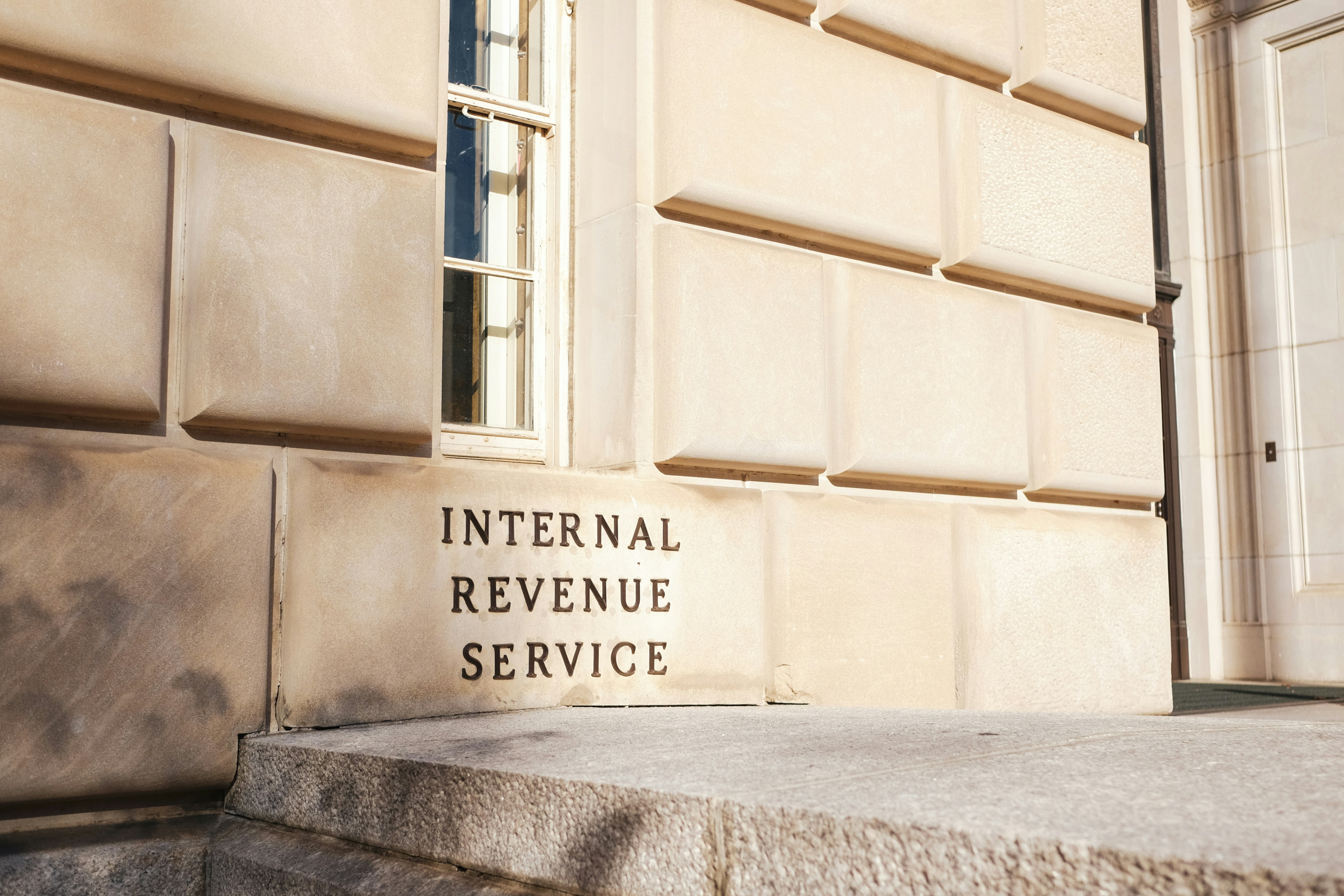
“The completion of this review provided the IRS with new insight into risky Employee Retention Credit activity and confirmed widespread concerns about a large number of improper claims,” IRS Commissioner Danny Werfel said in 2024, speaking broadly about pandemic‑era tax relief claims.
_______
©2026 Advance Local Media LLC. Visit nj.com. Distributed by Tribune Content Agency LLC.
Sign in to get access to this free resource, and all of our whitepapers and reports.

Download this content today!
Register Now Already registered? Click here to Log In