



From drinking warm boiled water to practicing traditional longevity exercises, a new trend known as “Chinamaxxing” has been spreading across social media. Videos show users documenting lifestyle changes inspired by Chinese culture, often paired with the Fight Club-inspired caption: “you met me at a very Chinese time in my life.” Others carry the hashtag #newlychinese, framing it as a playful way of adopting habits linked to wellbeing, routine, and slower living.
While plenty of the content leans into humor, the trend has sparked genuine conversation about lifestyle priorities and how people want to spend their time. For those who study workplace culture and business, it raises an interesting question: What does it mean when a generation starts publicly embracing the idea of slowing down?
Jason Morris, owner and CEO of Profit Engine, a specialized link-building agency working with businesses and marketing teams, has been paying close attention. Below, Morris shares his perspective on what trends like “Chinamaxxing” might mean for employers navigating an increasingly values-driven workforce.
What “Chinamaxxing” actually means
The term “Chinamaxxing” is a play on internet slang popularized by words like “looksmaxxing,” the idea of optimizing some aspect of your life. Here, users are applying that logic to Chinese cultural habits, adopting practices many associate with longevity, calm, and intentional living.
The lifestyle habits featured vary widely. Some users swap cold drinks for warm boiled water, a common practice in Chinese wellness culture. Others incorporate tai chi or qigong into their mornings, or simply slow down their daily routines. The aesthetic is quiet, grounded, and deliberately unhurried, a noticeable contrast to the hustle-focused content that dominated social media not so long ago.
“What’s interesting about ‘Chinamaxxing’ isn’t just the specific habits people are picking up,” says Morris. “It’s the fact that millions of young people are actively seeking out a different template for how to live.”
The trend also reflects Gen Z’s broader openness to global cultural influences, less about imitation and more about genuine curiosity around what a slower, wellness-oriented life might look like.
Why lifestyle trends Are influencing workplace expectations
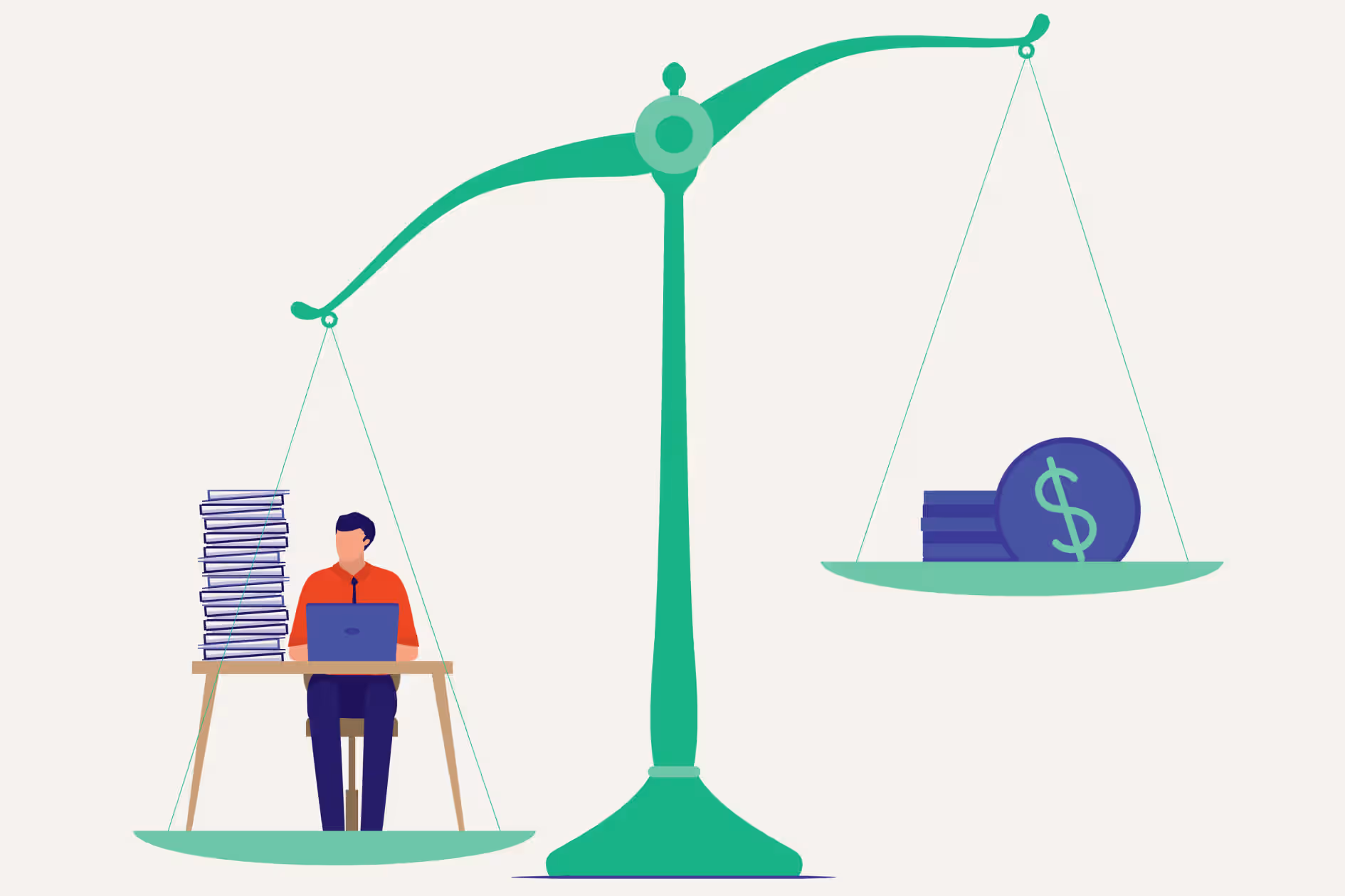
Gen Z didn’t invent the idea of work-life balance, but they have pushed it further up the agenda than any generation before them. Burnout, poor mental health support, and lack of flexibility are consistently cited as the reasons why Gen Z feel less engaged at work.
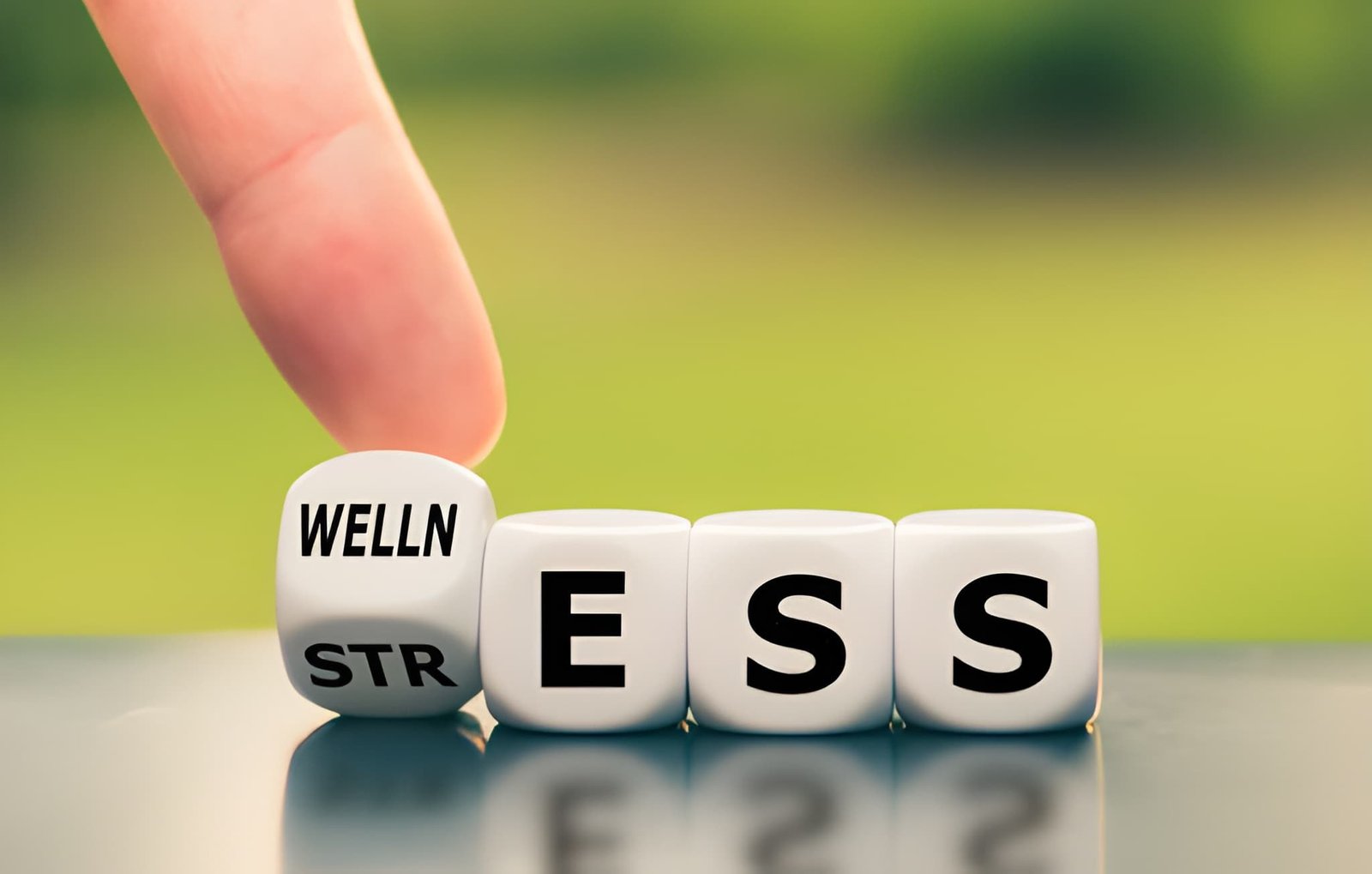
Trends like “Chinamaxxing” tend to emerge when a generation starts rethinking what a sustainable, fulfilling daily life really looks like. The habits at the center of the trend, such as structured routines, rest, nourishment, and low-stimulation downtime, are the opposite of the always-on work culture that many younger employees say they want to move away from.
“Social media has become a space where younger workers are openly exploring alternatives to the standard grind,” Morris says. “When you see a trend like this take off, it tells you something about what people feel is missing from their lives, and, by extension, from their workplaces.”
The rise of remote work gave many employees a taste of greater autonomy over their time and environment. For a significant portion of Gen Z, that experience reset their baseline expectations. Rigid hours, limited flexibility, and workplaces that treat wellbeing as an afterthought are increasingly dealbreakers, not minor inconveniences.
“Younger workers are thinking about their jobs as one part of a broader life they’re trying to build,” Morris adds. “If an employer can’t fit into that picture, they’ll find one that can.”
What trends like this signal to employers
For employers, the temptation might be to dismiss “Chinamaxxing” as a passing internet moment. That would be a mistake. The specific trend will fade, but the values underneath it, a preference for balance, intentional living, and personal well-being, are not going anywhere.
Research found that 78% of undergrads thought a sustainable work-life balance was essential to their career success. Employers who fail to reflect those priorities in their culture and policies will find it harder to attract and keep younger talent.
“You don’t have to redesign your entire business,” Morris says. “But you do have to show people that their time and well-being matter to you. Gen Z will see straight through performative wellness perks. What they want is a workplace that actually respects the boundaries they’re setting for themselves.”
“The companies that will attract the best young talent over the next decade are the ones paying attention now,” he adds. “Not just to trends like this, but to what those trends are telling them about what people want from their working lives.”
Something like “Chinamaxxing” might look like a niche internet trend on the surface, but the conversation underneath it is one every employer should be tuned into. Gen Z are actively searching for ways of living that prioritize rest, routine, and personal wellbeing, and they don’t leave those values at the door when they come to work, Morris says.
“The employers who take that seriously, who build flexibility, trust, and genuine wellbeing support into how they operate, are going to have a real advantage when it comes to hiring and retaining good people,” he says. “Social media is a live feed of what younger generations care about. If you’re running a business and not paying attention, you’re missing something important.”
Photo credit: Fokusiert/iStock

Thanks for reading CPA Practice Advisor!
Subscribe Already registered? Log In
Need more information? Read the FAQs