



For a long time, being a great tax professional meant you had a “super brain” for the tax code. You had to memorize rules, understand tricky laws, and apply them perfectly to a client’s life. Today, that “human intelligence” is facing a huge change. New artificial intelligence tools can now look through massive amounts of data in seconds—something that used to take humans hours or days.
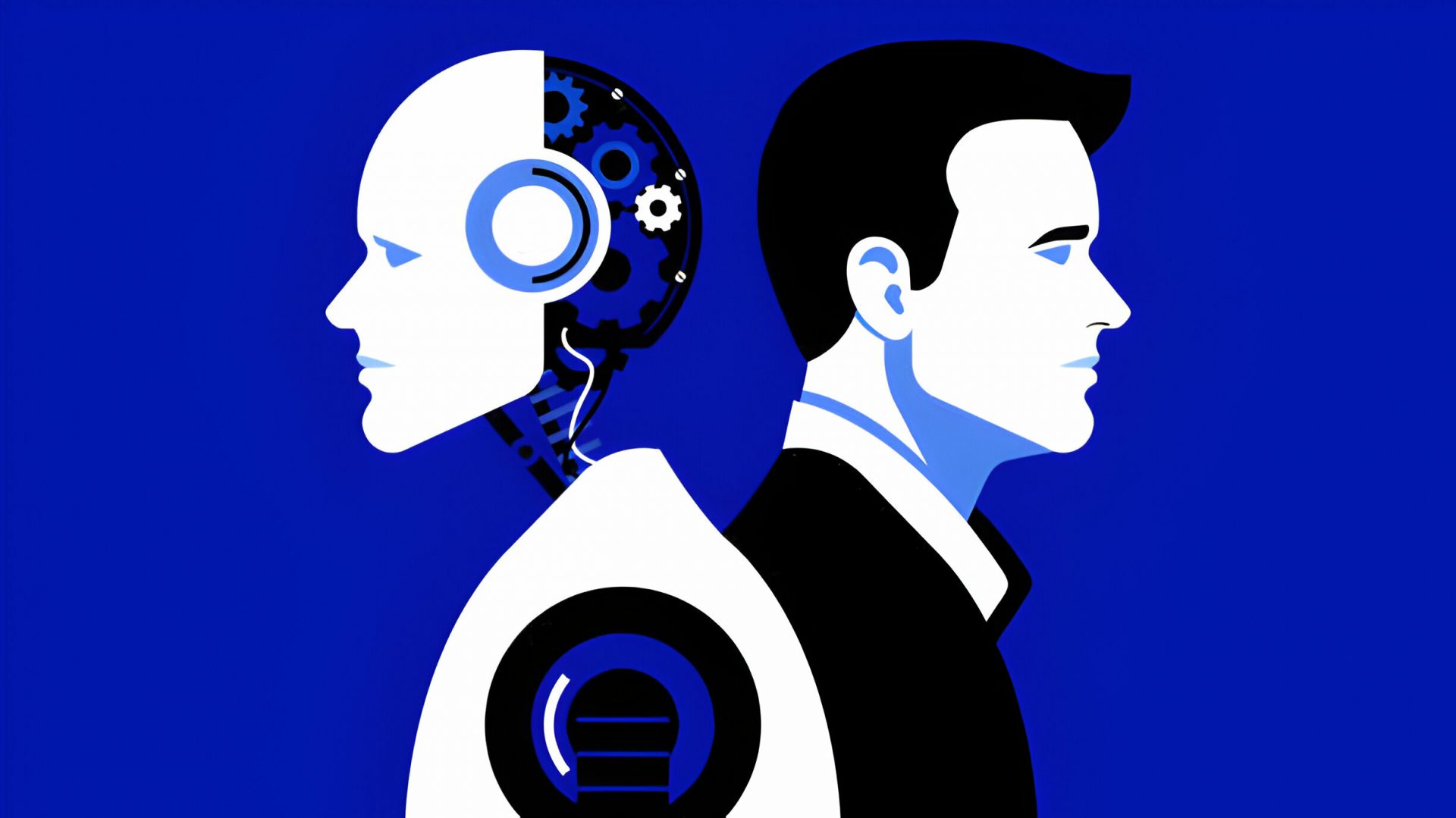
But here is the real problem: the danger isn’t that AI will take over our jobs. The real danger is that tax professionals are starting to let the software do all the thinking. We are trading our own judgment for automated checklists and computer results. While these tools make us faster, they might be making our professional skills weaker. It is a system problem, not a personal one: as tools get smarter, we tend to use our own brains less.
The brain’s “dimmer switch”: Why we are thinking less
When we let technology take over tasks like reasoning or summarizing, scientists call it “cognitive offloading.” It basically means we are outsourcing our thinking to a machine. New research shows that when people use AI for complex work, their brain activity actually changes.
One study looked at people doing creative and analytical work. The group using AI had a 47% drop in the brain connections that help us focus and come up with new ideas. Think of it like a “neural dimmer switch.” When the computer does the hard part, the human brain essentially “powers down” its creative side. For a CPA, this leads to something called “cognitive debt.” If you don’t practice solving problems from scratch, your “brain muscles” get weak. If the software is ever unavailable or wrong, it becomes much harder to make a confident decision on your own.
Don’t confuse “doing” with “thinking”
A big mistake in many modern firms is confusing execution with strategy. Many people think they are providing a tax strategy just because they used software to pick a specific tax election or deduction.
But true strategy is about the “why.” It’s about understanding a client’s family, their fears about money, and their long-term goals. AI is great at finding patterns, but it doesn’t understand the “so what” or the “now what” for a specific person. For example, a computer can do the math for a tax move, but it doesn’t know if that move fits with a client’s plan to pass their business to their children or how much risk they are willing to take. When we just follow a computer’s checklist, we aren’t really advising anyone; we are just operating a machine.
The problem of blind trust
We are also facing a “reliability paradox.” The better and more human the AI sounds, the more we tend to trust it without checking the facts. But AI is not a database of facts; it is a “prediction engine” that guesses the next word. Because of this, it can “hallucinate”—which is a fancy way of saying it makes things up that sound totally real.
Researchers at Stanford University found that general AI tools like ChatGPT make up legal information 58% of the time. Even specialized legal tools have an error rate between 17% and 33%. For a tax pro, a single made-up rule can lead to big fines or audits for a client. If you can’t explain how the computer got an answer, you are taking a huge risk with your reputation and your client’s money.
A real-world test: The OBBBA law
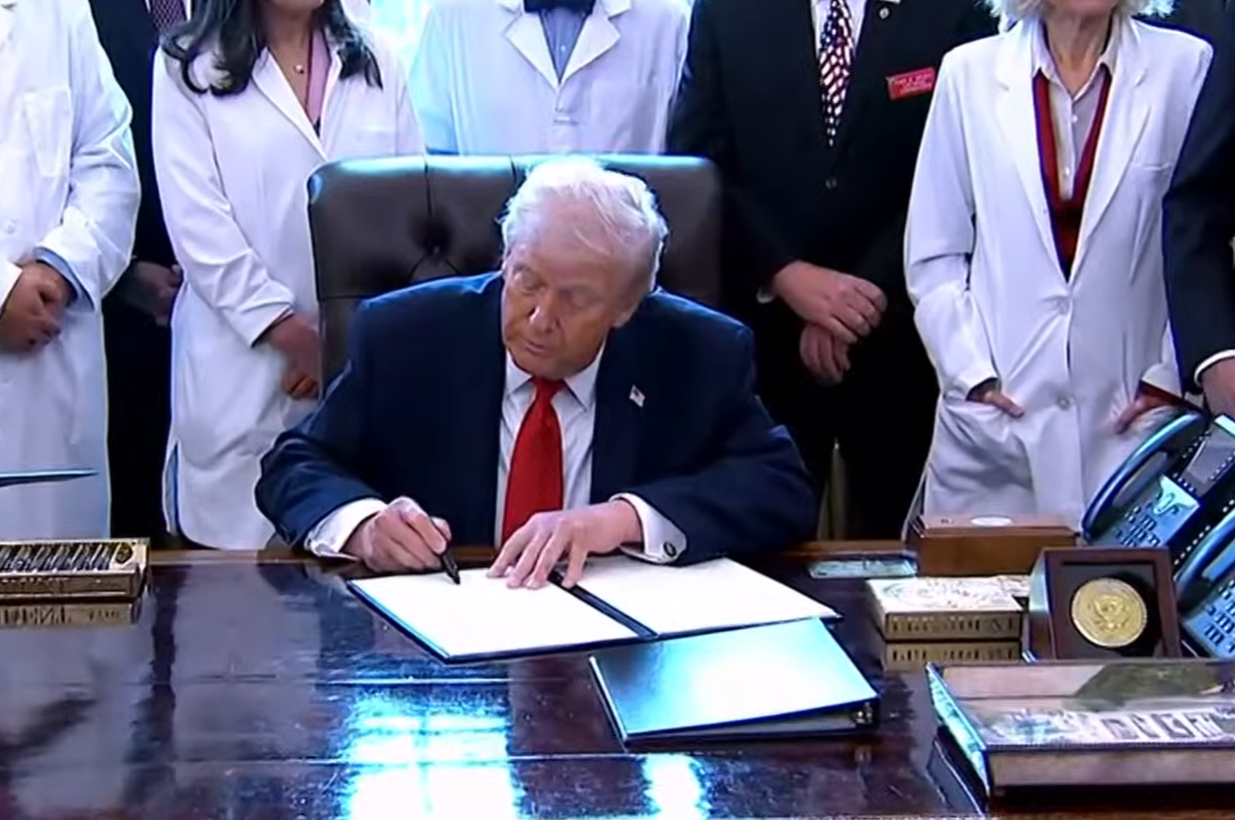
The new One Big Beautiful Bill Act passed in July 2025 is a great example of why we still need human brains. AI can quickly find the new $40,000 limit for state and local tax deductions. But it struggles with the complicated phase-out rules.
The OBBBA reduces that $40,000 deduction for every dollar a household earns over $500,000. A smart human advisor knows that for a high-earning client, it might be better to delay taking some income until next year to save more on taxes. Also, new things like Trump Accounts and no tax on overtime rules require a deep understanding of how a business runs, which an algorithm just doesn’t have yet. AI handles the math, but the human has to handle the context.
Recommended Articles

The risk to future CPAs
If we keep letting software do the thinking, we risk becoming “interchangeable.” If every CPA provides the same computer-generated answers, then clients will just pick the cheapest one.
This is already hurting the talent pipeline. Because software can do entry-level tasks, fewer young people are entering the field. This creates a gap: young accountants aren’t getting the “practice reps” they need to become experts later. If a junior staff member never learns how to research a law manually, they won’t know when the AI is giving them a wrong answer.
The way forward: Thinking better, not faster
To stay relevant, CPAs need to move toward a “hybrid intelligence” model. This means using AI as a partner, not as a crutch.
- Context is king: As computers handle the basic paperwork, the human pro stands out by seeing the big picture. You need to understand how the business affects the client’s life.
- Training your judgment: We need to change how we train staff. Instead of just teaching them how to use tools, we should teach them how to spot mistakes and understand the logic behind the computer’s answer.
- The human connection: Research shows that people still want to talk to a human for big life decisions, like retirement or family financial plans.
In a world where software is everywhere, the most successful CPAs will be the ones who focus on human skills like active listening, empathy, and giving strategic advice. The decline of technical “memorization” doesn’t have to be a bad thing. It can be the spark that helps CPAs move from being “number crunchers” to becoming true strategic advisors.

ABOUT THE AUTHOR:
David A. Perez is a tax strategist and the CEO of Tax Maverick AI. After filing over 50,000 tax returns, David realized the industry was stuck on paperwork instead of helping people save money. He decided to change the game by putting everything he knew into a software that helps the entire tax community. Today, David leads a successful eight-figure company and a team of experts around the world who are dedicated to making advanced tax strategies available to everyone.
Photo illustration credit: Atlas Studio/iStock

Thanks for reading CPA Practice Advisor!
Subscribe Already registered? Log In
Need more information? Read the FAQs