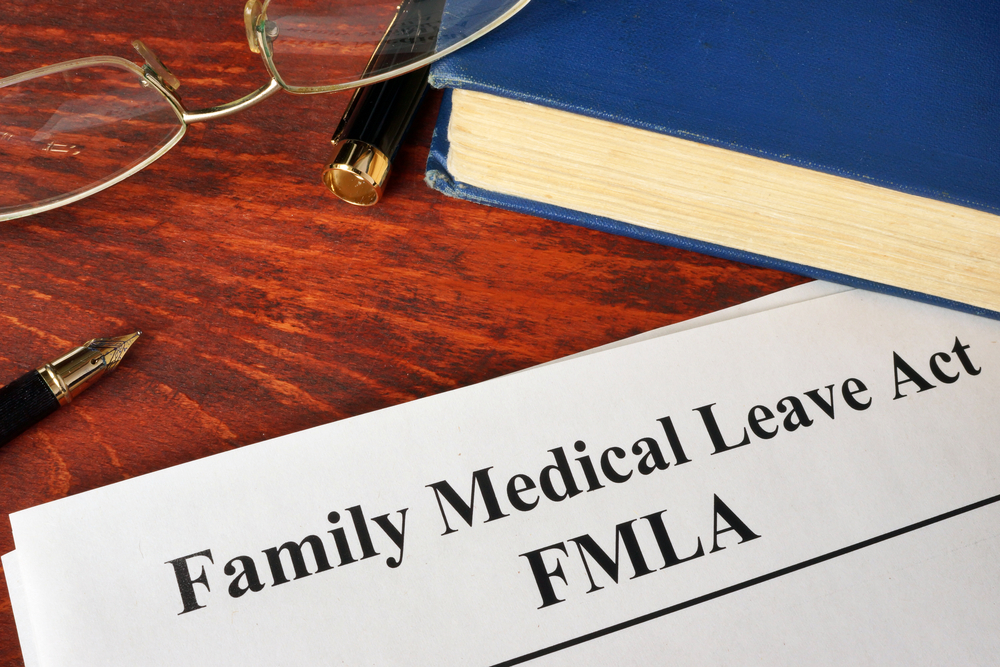




Under the Family and Medical Leave Act (FMLA), employers are generally required to provide 12 weeks of unpaid leave to employees that qualify for this fringe benefit. But employers aren’t legally mandated to offer paid leave. Now a tax credit available to employers for voluntarily paying employees while on leave has been extended and enhanced by the One Big Beautiful Bill Act (OBBBA).
[This is part of a Special Series on the tax changes made by the One Big Beautiful Bill Act, which was enacted in July 2025. It includes a wide range of changes to individual and corporate taxes, deductions, credits, forms and other topics, that affect tax filing starting this year into the future.]
Basic rules: The family and medical leave credit was introduced by the Tax Cuts and Jobs Act (TCJA) in 2017. With this provision, an employer may claim a credit ranging from 12.5% to 25% of the cost of providing paid leave to employees for up to 12 weeks.
Recommended Articles


To claim the credit, the employer must establish a written policy enabling full-time qualified employees to be paid for at least two weeks for a family or medical leave annually plus the pro rata share available to part-timeworkers. Furthermore, the wages must amount to at least 50% of the employee’s regular pay.
For these purposes, a qualified employee is someone who—
- Has worked for the employer at least one year; and
- Earned compensation in the preceding year of no more than 60% of the indexed threshold for highly-compensated employees (HCEs). The 60% threshold for HCEs in 2025 is $96,000.
The leave time may be used for various reason including time off for a personal health reason, caring for a loved one with a heath condition, births, adoptions or fostering of children, or other comparable situations.
Although the credit established by the TCJA was temporary, subsequent legislation during the pandemic enhanced the tax benefits. Now OBBBA adds the icing on the cake. Specifically, the new law makes these three key rule changes for the family and medical leave credit, beginning in 2026.
- The credit, which was initially intended to be temporary, was extended several times. It was scheduled to expire again after 2025. The OBBBA makes this tax break permanent.
- Instead of a credit based on the employee’s wages, the OBBBA provides employers with another option. An employer may claim the credit for a percentage of insurance premiums paid or incurred for active family and medical leave coverage. As with the credit for wages, the percentage ranges from 12.5% to 25% of the cost of premiums paid or incurred by the employer.
This is a “one-or-the-other” proposition. You can’t claim the credit for both expenses.
In addition, any tax credit claimed for insurance expenses isn’t otherwise deductible
as insurance expenses. This reduces the employer’s deduction for insurance expenses and is critical from a tax planning perspective.
- The OBBBA also revises the definition of a “qualifying employee.” Typically, employees must be regularly employed for at least 20 hours a week, starting in 2026. But the minimum employment work requirement may be cut in half from one year to six months. Finally, the new law makes technical changes in the definition of part-timers.
The upshot: Employers should consider all the ramifications of the new law changes. They may assess adjustments to its fringe benefits package and the alternative method for claiming the family and medical leave credit. Clients should be encouraged to seek professional guidance.
Sign in to get access to this free resource, and all of our whitepapers and reports.

Download this content today!
Register Now Already registered? Click here to Log In
Tags: 2025 income tax law, 2025 income tax refunds, 2025 tax law changes, 2025 trumpt ax law, changes to income tax credits, changes to the 2025 tax law, family tax credits, fmla, fmla credit, Income Taxes, new income tax credits, obbba, obbba and estate planning, obbba family and medical leave, obbba tax law, obbba tax law changes